

Revises provisions governing certain surcharges imposed by a county. (BDR 20-677)
SB 208 modifies how counties can use revenue from surcharges for emergency 911 systems. It expands allowable uses to include costs for facilities housing emergency call systems, increases spending thresholds for larger counties (to $15 million for populations over 700,000, $7.5 million for 100,000-700,000), and requires advisory committees in counties over 100,000 population to oversee fund use. The bill directly affects counties imposing the 911 surcharge, particularly Clark and Washoe Counties, by changing fund management rules and spending priorities. These changes aim to align county fund usage with federal guidelines while providing clearer spending parameters.
Bill status
signed
all 5 stages cleared
Introduction
Feb 2025
Committee Review
May 2025
Senate Passage
Apr 2025
Assembly Passage
May 2025
Signed into Law
May 2025
Introduced Feb 18, 2025
Signed May 31, 2025
Maddy AI version diff · 2 comparisons
What changed between versions
Reprint 1
→
As Enrolled
·
4 edits
·
May 31, 2025
MODERATE
This bill amends the rules for how Nevada counties can use revenue collected from emergency 911 telephone surcharges. It updates the legal text to reflect new requirements for establishing advisory committees and increases the monetary thresholds that trigger mandatory surcharge reductions for larger counties.
Scope change
The bill modifies the applicability of surcharge revenue rules based on county population, specifically adjusting the financial limits for Clark County and Washoe County.
REQUIREMENT
Replaced the old explanatory summary with the formal text of the enacted law, including the official title and legislative counsel's digest.
Updated the text of NRS 244A.7645 to change the population threshold for establishing advisory committees from 100,000 to 700,000 for larger counties.
FISCAL
Increased the unencumbered balance threshold for counties with 700,000+ residents from $15 million to $15 million (clarified in digest) and for counties with 100,000+ but less than 700,000 residents from $7.5 million to $7.5 million (clarified in digest), effectively formalizing the higher limits in the statute.
TECHNICAL
Removed the draft committee markings, page numbers, and preliminary summary that were present in the earlier version.
Floor votes · Senate Apr 22, 2025 · Assembly May 22, 2025
How they voted
20–0
Passed
Total votes 20
Apr 22, 2025
D
Democratic12
100% Yea
R
Republican8
100% Yea
Vote distribution
All Yea
All Nay
Mixed
No data
Full legislative history
Actions timeline
Total actions
17
Key actions
7
Committee
3
May 31, 2025
Signed into law
Approved by the Governor. Chapter 182.
executive
May 23, 2025
Lower · Passed
To enrollment.
lower
May 22, 2025
Lower · Passed
Read third time. Passed. Title approved. (Yeas: 42, Nays: None.) To Senate.
In Senate.
lower
May 16, 2025
Lower · Passed
From committee: Do pass.
lower
Apr 22, 2025
Upper · Passed
Read third time. Passed, as amended. Title approved, as amended. (Yeas: 21, Nays: None.) To Assembly.
upper
Apr 15, 2025
Upper · Passed
From committee: Amend, and do pass as amended.
Placed on Second Reading File.
Read second time. Amended. (Amend. No. 504.) To printer.
upper
Feb 19, 2025
Upper · Passed
From printer. To committee.
upper
2 primary · 1 co-sponsor
Sponsors
Role
Legislator
Party
State
District
P
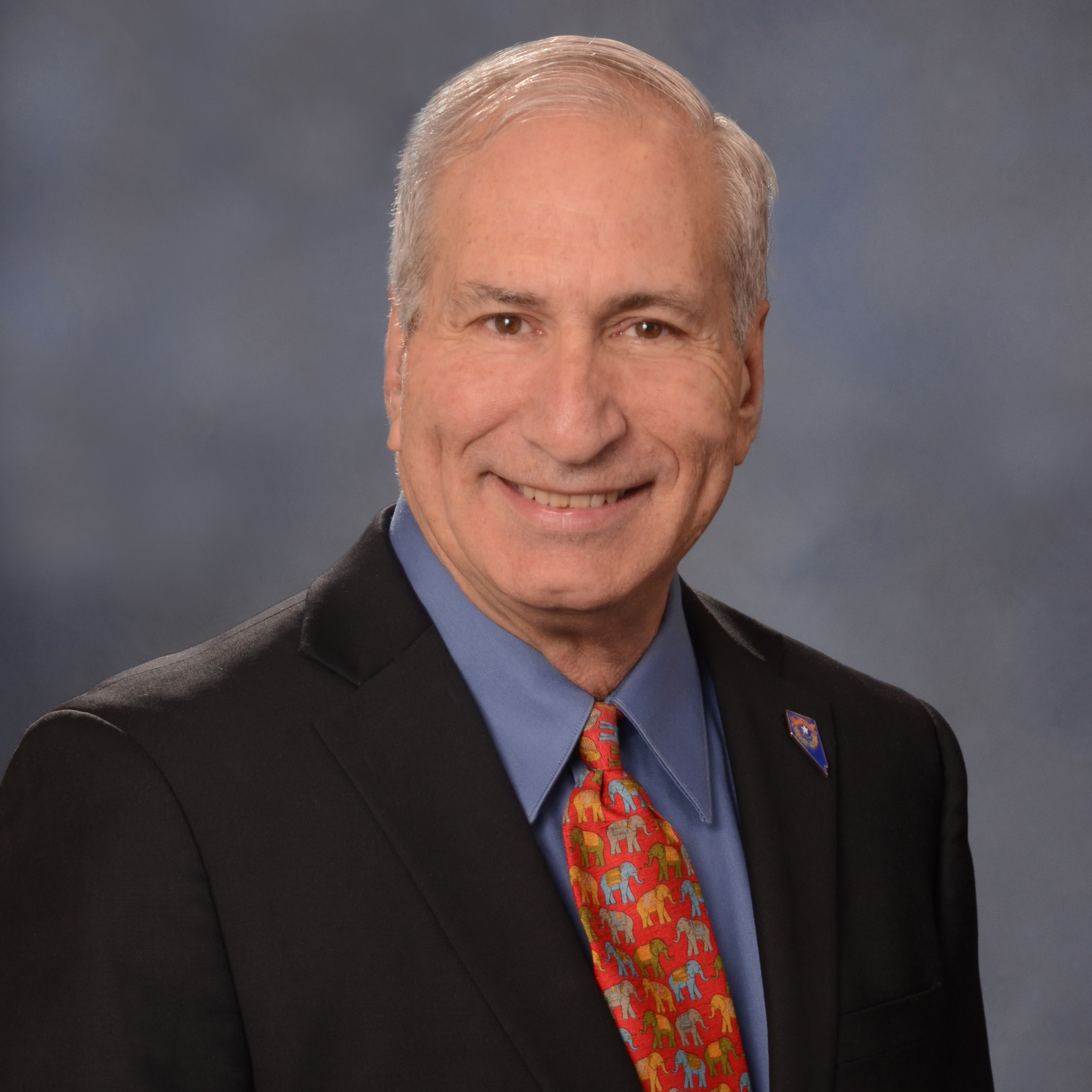
Jeff Stone
RRepublican
P

John Steinbeck
RRepublican
Co
FD
Fabian Doñate
DDemocratic
Ask Maddy
·
AI policy assistant
Ask Maddy about SB 208
Scope: NV
Hi! I can help you understand SB 208. What would you like to know?
Try one of these
i
Maddy answers using official bill text and legislative records. Always verify before sharing.
Sources cited inline