

In committee Sep 17, 2026
1 co-sponsor
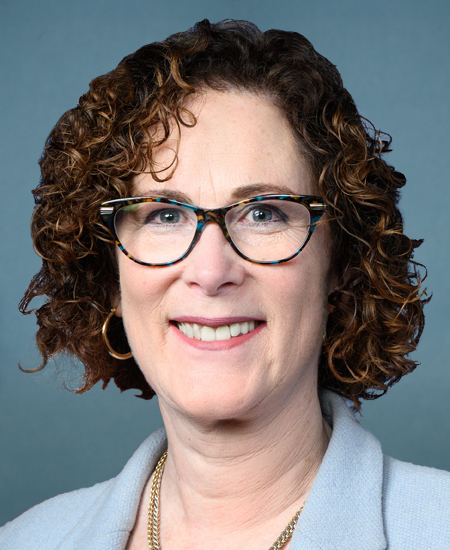
Rep. Val T. Hoyle
Total votes
1,879
all sessions
Attendance
98%
41 missed
Near the chamber average
With party
96%
of cast votes
Near the chamber average
Bipartisan score
2%
crosses aisle rarely
Near the chamber average
Sponsored
684
bills & resolutions
Near the chamber average
Committees
7
assignments
684 bills and resolutions
Sponsored bills
Total
684
Primary
26
Co-sponsor
658
This page
684
matching current filters
In committee Sep 16, 2026
1 co-sponsor
In committee Sep 16, 2026
1 co-sponsor
In committee Sep 16, 2026
0 co-sponsors
AM Radio for Every Vehicle Act of 2025
Maddy summaryThis bill requires all new passenger vehicles manufactured for sale in the U.S. to include AM radio as standard equipment (not an optional add-on) by 2027-2028, depending on manufacturer size. It mandates that AM radio receivers must be easily accessible to drivers and allows compliance through digital AM broadcast technology. During a transition period, manufacturers must clearly label vehicles without AM radio but cannot charge extra for this feature. The bill also mandates a GAO study on AM radio's role in emergency alerts and includes a 10-year sunset provision for the rule. It preempts state laws regarding AM radio access in vehicles.
Passed Sep 16, 2026
1 co-sponsor
Providing for congressional disapproval under chapter 8 of title 5, United States Code, of the rule submitted by U.S. Immigration and Customs Enforcement of the Department of Homeland Security relating to "Establishing a Fixed Time Period of Admission and an Extension of Stay Procedure for Nonimmigrant Academic Students, Exchange Visitors, and Representatives of Foreign Information Media".
Maddy summaryThis joint resolution seeks to overturn a Department of Homeland Security rule that would establish fixed time periods for admission and specific extension procedures for nonimmigrant academic students, exchange visitors, and representatives of foreign information media. If enacted, the bill would prevent this immigration regulation from taking effect, thereby maintaining the existing framework for how these individuals manage their stay in the United States. The measure directly affects international students, cultural exchange participants, and foreign journalists by blocking changes to their visa duration limits and renewal processes.
In committee Sep 14, 2026
1 co-sponsor
Affordable Pricing for Taxpayer-Funded Prescription Drugs Act of 2026
Maddy summaryThe Affordable Pricing for Taxpayer-Funded Prescription Drugs Act of 2026 requires federal agencies to include reasonable pricing clauses in all research grants and contracts involving biomedical products. Under this provision, U.S. residents cannot be charged more than the median price found in Canada and six other high-income OECD countries for any drug, device, or therapy developed with federal support. The Secretary of Health and Human Services is authorized to establish additional regulations, such as mechanisms to lower prices when revenues exceed targets or costs per health benefit are too high, while retaining the ability to waive these obligations if doing so serves the public interest. To ensure accountability, manufacturers must report clinical trial costs, government subsidies, and annual revenues by county, with all data made publicly available.
In committee Aug 13, 2026
0 co-sponsors
No TSA Data for ICE Act
Maddy summaryThis bill, titled the No TSA Data for ICE Act, prohibits the Transportation Security Administration from sharing passenger data with U.S. Customs and Border Protection or U.S. Immigration and Customs Enforcement. It specifically bars these agencies from using TSA information or data from private brokers to perform immigration enforcement functions. Additionally, the legislation prevents the denial, suspension, or early termination of Trusted Traveler programs like PreCheck and Global Entry if an individual's participation in First Amendment-protected activities is the reason. The law defines the restricted data as personally identifiable information about flight passengers obtained from the TSA or private sector entities.
ImmigrationSupports ImmigrationBill restricts federal immigration enforcement access to TSA data, limiting cooperation and protecting immigrant privacy.
TechnologySupports TechnologyBill protects passenger data privacy by prohibiting TSA from sharing data with immigration agencies, aligning with digital rights and privacy indicators.
In committee Aug 4, 2026
1 co-sponsor
FORK Act of 2026
Maddy summaryThe FORK Act of 2026 creates a pilot program to provide grants for purchasing, retrofitting, or repairing vehicles used to deliver summer meals to children. These grants, totaling up to $100,000 per recipient, are intended for service institutions in areas with high poverty, outside major metropolitan regions, or serving many socially disadvantaged students. The program authorizes $1 million annually for fiscal years 2027 through 2029 and requires recipients to report on the number of sites and children served. Additionally, the bill mandates that grant recipients limit administrative expenses to 10% of the funds and directs the Secretary of Agriculture to submit a final report to Congress within four years of the program's start.
In committee Aug 3, 2026
1 co-sponsor
No Payoffs for Pardons Act
Maddy summaryThe No Payoffs for Pardons Act requires individuals who receive executive clemency to file detailed financial reports if they provided gifts or benefits of $10,000 or more to the President or related entities in an attempt to secure that pardon. These disclosure reports must be submitted to the Attorney General and made publicly available online, while also updating federal bribery laws to explicitly include pardons as a form of "anything of value" that can be offered to officials. The bill imposes civil and criminal penalties for failing to file these reports or submitting false information, and it extends the statute of limitations for prosecuting bribery cases involving clemency to ten years. By mandating transparency around the exchange of favors for clemency, the legislation aims to prevent the misuse of presidential pardon power without restricting the President's constitutional authority to grant pardons.
In committee Aug 3, 2026
1 co-sponsor
Ask Maddy
·
AI policy assistant
Ask Maddy about Val T. Hoyle
Scope: montana
Hi! I can help you understand Val T. Hoyle's legislative record. What would you like to know?
Try one of these
i
Maddy answers using official bill text and legislative records. Always verify before sharing.
Sources cited inline