Maddy summaryThis bill would require Medicare to cover early detection screening tests for Alzheimer's disease and related dementias starting January 1, 2028. It defines eligible tests as FDA-cleared genomic blood tests, blood product analyses, or equivalent medical imaging methods (like protein expression or whole genome sequencing) that detect pre-symptomatic or early-stage conditions. Medicare beneficiaries would receive this coverage without cost-sharing for these specific screenings. The bill amends Medicare coverage rules to explicitly include these tests under Section 1861(nnn) of the Social Security Act.

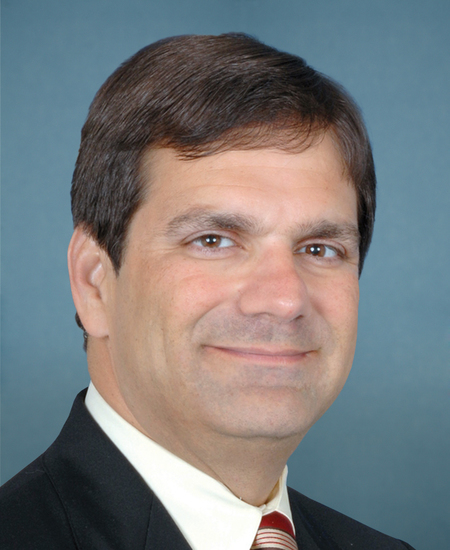
Rep. Gus M. Bilirakis
Sponsored bills
Maddy summaryHR 2004, titled "Tyler’s Law," requires the Secretary of Health and Human Services to study how often hospital emergency departments test for fentanyl during overdose cases (beyond standard drug tests), including associated costs, patient benefits/risks, and impacts on privacy and patient-physician relationships. The study must be completed within one year of the bill's enactment. Based on the study results, the Secretary must issue guidance within six months on whether emergency departments should routinely test for fentanyl, how to inform clinicians about test contents, and how such testing may affect future overdose risks and health outcomes. This bill directly affects hospital emergency departments and patients experiencing overdoses by shaping future testing protocols.
Maddy summaryHR 1266, the Combating Illicit Xylazine Act, adds xylazine - a veterinary sedative increasingly found in illicit drug mixtures - to Schedule III of the Controlled Substances Act, regulating its use and trafficking. It directly affects veterinarians, animal owners, and manufacturers by allowing xylazine to be legally dispensed for animal use under specific veterinary prescriptions, while prohibiting non-veterinary human use. The bill includes transition periods (60 days for practitioners, 1 year for labeling) to ease compliance for manufacturers and practitioners, and requires the DEA and FDA to expedite necessary applications. It also mandates two congressional reports on xylazine's illicit use and trafficking patterns, and directs the Sentencing Commission to review penalties for offenses involving xylazine.
Maddy summaryThis bill requires all new passenger vehicles manufactured for sale in the U.S. to include AM radio as standard equipment (not an optional add-on) by 2027-2028, depending on manufacturer size. It mandates that AM radio receivers must be easily accessible to drivers and allows compliance through digital AM broadcast technology. During a transition period, manufacturers must clearly label vehicles without AM radio but cannot charge extra for this feature. The bill also mandates a GAO study on AM radio's role in emergency alerts and includes a 10-year sunset provision for the rule. It preempts state laws regarding AM radio access in vehicles.
Maddy summaryThe Sinkhole Mapping Act of 2025 directs the U.S. Geological Survey (USGS) to study sinkhole causes - including extreme weather, drought, and water management shifts - and create updated risk maps showing areas prone to sinkholes. It requires the USGS to use specific 3D elevation data from existing law and maintain a public website with these maps for community planners and emergency managers. The maps must be reviewed and updated at least every five years. This bill directly affects local officials and emergency responders by providing accessible, science-based hazard information to inform land-use decisions and safety planning.
Maddy summaryThe CHC REBASE Act of 2026 amends the Medicare program to adjust payment rates for Federally Qualified Health Centers (FQHCs) so that they cover 100 percent of estimated reasonable costs by 2028, effectively removing previous financial caps on these services. To support this change, the bill requires the Secretary of Health and Human Services to convene a working group with stakeholders from health centers, physicians, and CMS to review payment methodologies and recommend further modifications. Additionally, the legislation ensures that telehealth services provided by FQHCs and rural health clinics are paid at standard rates starting in 2027, treating associated costs as allowable expenses. The bill also mandates new guidance for Medicare Advantage plans to streamline "wraparound" payments to FQHCs and requires a Government Accountability Office report on how well these centers are included in insurance provider networks for underserved populations.
Maddy summaryThe Pray Safe Act of 2025 establishes a federal Clearinghouse within the Department of Homeland Security to provide houses of worship, faith-based organizations, and nonprofit groups at risk of threats with evidence-based safety resources. The Clearinghouse will publish online best practices for security planning, facility safety, and incident response, while listing existing federal and state grant programs to help these organizations implement these measures. It requires annual updates based on user feedback and includes a centralized resource section for contacts like Protective Security Advisors and Fusion Centers. The program expires four years after enactment and does not create new funding but coordinates existing federal and state safety resources.
Maddy summaryThe Priority for Pediatric Cures Act permanently extends the authority to award priority review vouchers for drugs and biologics that treat rare pediatric diseases. By amending the Federal Food, Drug, and Cosmetic Act, the bill removes a specific expiration provision that would otherwise limit this incentive program. This change ensures that pharmaceutical companies can continue to receive expedited FDA review in exchange for developing treatments for children with rare conditions.
Maddy summaryThis bill modifies tax rules to provide relief for individuals affected by major disasters. It allows taxpayers to deduct disaster-related losses (like damaged homes or personal property) more easily by creating a new "disaster loss deduction" that combines certain casualty losses and adjusts for income limits. It also excludes wildfire relief payments (such as compensation for lost wages or home damage not covered by insurance) from taxable income for people in federally declared wildfire areas, effective 2026 through 2030. These changes apply to losses incurred in taxable years starting after 2024, specifically for disasters declared between 2025 and 2027.
Maddy summaryThe SAFE for Manatees Act directs the Secretary of the Interior to conduct a study identifying potential new habitats for manatees in Florida as industrial sites are decommissioned and water temperatures change. This study must evaluate natural warm-water locations and explore methods for building artificial warm-water refuges in cooperation with the Army Corps of Engineers and Florida wildlife officials. The bill requires the Interior Department to publish a report on these findings within 180 days of enactment to inform future conservation efforts.