

Generally revise laws related to child and family ombudsman
SB 250 would revise Montana's Office of the Child and Family Ombudsman by adding specific staff positions (two intake specialists, two associate ombudsmen, and two research analysts) and expanding its duties. It requires the ombudsman to provide timely responses to requests, actively assist individuals with unresolved issues, and forward misconduct reports to the Department of Justice or the relevant agency. The bill also mandates the ombudsman to issue twice-yearly systemic recommendations about child protection practices to the Department of Public Health and Human Services, which must respond within 60 days. These changes aim to strengthen oversight of child protection cases and departmental procedures.
Bill status
died
3 of 5 stages cleared
Introduction
Jan 2025
Committee Review
Feb 2025
Senate Passage
Feb 2025
House Passage
Governor
Introduced Jan 31, 2025
Last action May 23, 2025
Maddy AI version diff · 5 comparisons
What changed between versions
SB0250_3(3).pdf
→
SB0250_3(4).pdf
·
4 edits
MODERATE
The bill was reorganized to clarify the duties of the child and family ombudsman, specifically separating the handling of misconduct reports from general policy violations. The office now has a mandatory requirement to provide systemic recommendations twice a year, with a strict 60-day deadline for the department to respond with implementation plans or justifications. If the department fails to respond adequately, the ombudsman must escalate the report to the governor, department director, and legislative committee.
Scope change
The scope of the ombudsman's duties was expanded to include independent oversight and a formalized annual reporting cycle with specific escalation protocols for non-compliance.
REQUIREMENT
Added a mandatory requirement for the ombudsman to submit systemic recommendations twice per year, replacing a vague periodic review.
Established a strict 60-day deadline for the department to respond to ombudsman recommendations with either an implementation plan or a written justification.
Clarified that reports of misconduct by specialists go to the Department of Justice for special prosecutor review, while general policy violations are reported to the department.
ENFORCEMENT
Created a new escalation mechanism where unresponsive departments must have their reports sent to the governor, department director, and legislative committee.
Floor votes · Senate Feb 25, 2025
How they voted
37–13
Passed
Total votes 50
Feb 25, 2025
D
Democratic18
50% Nay
R
Republican32
87% Yea
Vote distribution
All Yea
All Nay
Mixed
No data
Full legislative history
Actions timeline
Total actions
28
Key actions
3
Committee
4
Amendments
1
Feb 27, 2025
Amended
(S) Tabled in Committee - (S) Finance and Claims
upper
Feb 25, 2025
Senate · Passed
Senate Vote: pass (37-13)
senate
Feb 25, 2025
Committee
(S) Rereferred to Committee - (S) Finance and Claims
upper
Feb 24, 2025
Upper · Passed
(S) Committee Report - (S) Public Health, Welfare and Safety
upper
Feb 21, 2025
Upper · Passed
(S) Committee Executive Action - (S) Public Health, Welfare and Safety
upper
Feb 5, 2025
Committee
(S) Referred to Committee - (S) Public Health, Welfare and Safety
upper
Jan 31, 2025
Introduced
(S) Introduced
upper
1 primary · 0 co-sponsors
Sponsors
Role
Legislator
Party
State
District
P
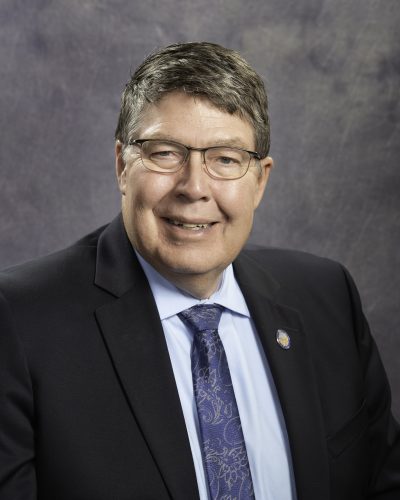
Dennis Lenz
RRepublican
Ask Maddy
·
AI policy assistant
Ask Maddy about SB 250
Scope: MT
Hi! I can help you understand SB 250. What would you like to know?
Try one of these
i
Maddy answers using official bill text and legislative records. Always verify before sharing.
Sources cited inline