

Elect supreme court by districts
HB 646 proposed to change the method of electing and appointing Supreme Court justices from statewide at-large elections to a district-based system. The bill would establish seven specific supreme court judicial districts across the state, with one justice to be selected from each district. It also included a transition plan, assigning current justices to specific districts for future re-election. This measure aimed to alter how voters elect and how candidates run for positions on the state's highest court.
Bill status
died
2 of 4 stages cleared
Introduction
Feb 2025
Committee Review
Feb 2025
House Failed
Mar 2025
Governor
Introduced Feb 21, 2025
Last action May 20, 2025
Maddy AI version diff · 3 comparisons
What changed between versions
HB0646 Legal Review Note.pdf
→
HB0646_1(2).pdf
·
4 edits
MODERATE
The bill was restructured to shift from a legal review note to an active legislative act that establishes seven geographic districts for electing Montana Supreme Court justices. This change directly addresses previous court rulings that blocked similar district-based election plans by explicitly citing constitutional authority and historical precedent to support the new system.
Scope change
The bill's scope expanded from a passive legal analysis to an active mandate requiring the creation of specific judicial districts and the amendment of state statutes to govern district-based elections.
REQUIREMENT
Added a statutory requirement to divide the state into seven specific Supreme Court districts based on county lines to ensure equal population representation.
TIMELINE
Established a transition plan effective after the 2032 general election to assign current justices to specific districts and mandate future elections within those districts.
ELIGIBILITY
Modified the election process for Supreme Court justices from a statewide-at-large system to a district-based system, requiring candidates to run in specific geographic areas.
DEFINITION
Added detailed definitions listing the specific counties included in each of the seven new judicial districts.
Floor votes · House Mar 5, 2025
How they voted
48–51
Failed · 1 other
Total votes 100
Mar 5, 2025
D
Democratic42
100% Nay
R
Republican58
82% Yea
Vote distribution
All Yea
All Nay
Mixed
No data
Full legislative history
Actions timeline
Total actions
21
Key actions
2
Committee
3
Mar 5, 2025
Vote failed
House Vote: fail (48-51-1)
house
Feb 28, 2025
Lower · Passed
(H) Committee Report - (H) Judiciary
lower
Feb 28, 2025
Lower · Passed
(H) Committee Executive Action - (H) Judiciary
lower
Feb 22, 2025
Committee
(H) Referred to Committee - (H) Judiciary
lower
Feb 21, 2025
Introduced
(H) Introduced
lower
1 primary · 0 co-sponsors
Sponsors
Role
Legislator
Party
State
District
P
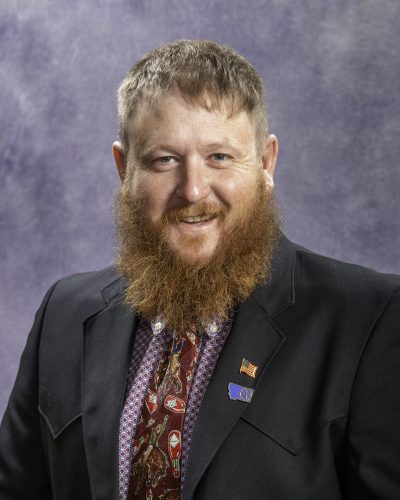
Brandon Ler
RRepublican
Ask Maddy
·
AI policy assistant
Ask Maddy about HB 646
Scope: MT
Hi! I can help you understand HB 646. What would you like to know?
Try one of these
i
Maddy answers using official bill text and legislative records. Always verify before sharing.
Sources cited inline