HB 1404 Mississippi House · 2026 Regular Session

Fraudulent Utility Conversion; create crime when landlord fails to pay utilities and tenants' utilities are interrupted.

HB 1404 creates a new criminal offense called "fraudulent utility conversion" in Mississippi, making it illegal for landlords to pocket tenant payments for utilities without paying the provider, causing service interruptions. Landlords convicted face penalties ranging from up to six months in jail and $1,000 fines for under $1,000 in unpaid utilities, to up to 20 years in prison and $50,000 fines for amounts over $25,000. The bill also explicitly adds utility payments to a landlord’s legal duties under existing law (Section 89-8-23) and requires courts to order landlords to reimburse tenants for unpaid utility fees plus related costs like medical or food expenses. This directly affects landlords who fail to pay utilities and tenants who lose service due to this failure, effective July 1, 2026.
Bill status signed all 5 stages cleared
Introduction
Feb 2026
Committee Review
Feb 2026
House Passage
Mar 2026
Senate Passage
Mar 2026
Signed into Law
Mar 2026
Introduced Feb 12, 2026 Signed Mar 25, 2026
Maddy AI version diff · 2 comparisons

What changed between versions

As Passed the lower Current version · 9 edits
MAJOR
The Senate substantially reworked HB 1404, removing all civil landlord-tenant law amendments (landlord duties and tenant duties provisions) and reframing the criminal provision from a specific 'fraudulent utility conversion' offense requiring service interruption into a broader misappropriation and deception statute with a 60-day payment window. The bill now applies to any person who received payment under a lease to pay utilities, not just landlords, and adds exemptions for tenant non-payment and utility company errors.
Scope change
The bill's scope narrowed significantly by removing all civil landlord-tenant law amendments (Sections 2 and 3), leaving only the criminal provision. However, the criminal provision itself broadened slightly in who it covers (any person with a lease obligation to pay utilities, not just landlords) while narrowing in what conduct is required (no longer requires actual service interruption as an element, but adds a 60-day payment window and new exemptions).
SCOPE

Entire Section 2 (amending Section 89-8-23 to add utility payments as a landlord duty) was removed from the bill.

Entire Section 3 (bringing forward Section 89-8-25 tenant duties for amendment) was removed from the bill.

The offense is no longer limited to landlords. It now covers any person who received money or payment in accordance with a lease contract or rental agreement to pay utility services.

DEFINITION

The crime was renamed and redefined. The original 'fraudulent utility conversion' required a landlord to receive payment from a tenant, fail to remit it, AND have the provider interrupt service. The new version applies to any person who received payment under a lease to pay utilities and either (a) fails to apply the money within 60 days of receiving the bill, or (b) uses deception, false pretense, or false promise in failing to apply the money.

New definition of 'utility services' added: any water, electricity, gas, heat, or sewer services, whether privately, municipally, cooperatively, or investor-owned.

ELIGIBILITY

New exemption: the law does not apply if the tenant failed to timely pay sufficient funds to satisfy the utility bill, or if the delay is due to an administrative, clerical, or technical error by the utility company.

ENFORCEMENT

New restitution requirement: a convicted person must make full restitution to the victim and any other person who suffered a financial loss, pursuant to Chapter 37, Title 99.

TECHNICAL

Penalty language changed from 'conversion' to 'misappropriation or taking' throughout all penalty tiers. The lowest tier (under $1,000) now specifies imprisonment in the county jail rather than just imprisonment.

TIMELINE

Effective date changed from July 1, 2026 to immediately upon passage of the act.

Floor votes · Senate Mar 9, 2026 · House Feb 5, 2026

How they voted

510
Passed · 1 other
Total votes 52
Mar 9, 2026
D Democratic18
18 Yea
100% Yea
R Republican34
33 Yea 1
97% Yea
Vote distribution
All Yea All Nay Mixed No data
Full legislative history

Actions timeline

Total actions
16
Key actions
8
Committee
4
Amendments
2
Mar 25, 2026
Signed into law
Approved by Governor
executive
Mar 18, 2026
Lower · Passed
Concurred in Amend From Senate
lower
Mar 9, 2026
Upper · Passed
Passed As Amended
upper
Mar 9, 2026
Upper · Passed
Amended
upper
Feb 25, 2026
Upper · Passed
Title Suff Do Pass As Amended
upper
Feb 18, 2026
Committee
Referred To Judiciary, Division B
upper
Feb 12, 2026
Introduced
Transmitted To Senate
lower
Feb 5, 2026
Lower · Passed
Passed As Amended
lower
Feb 5, 2026
Lower · Passed
Amended
lower
Jan 29, 2026
Lower · Passed
Title Suff Do Pass
lower
Jan 16, 2026
Committee
Referred To Judiciary A
lower
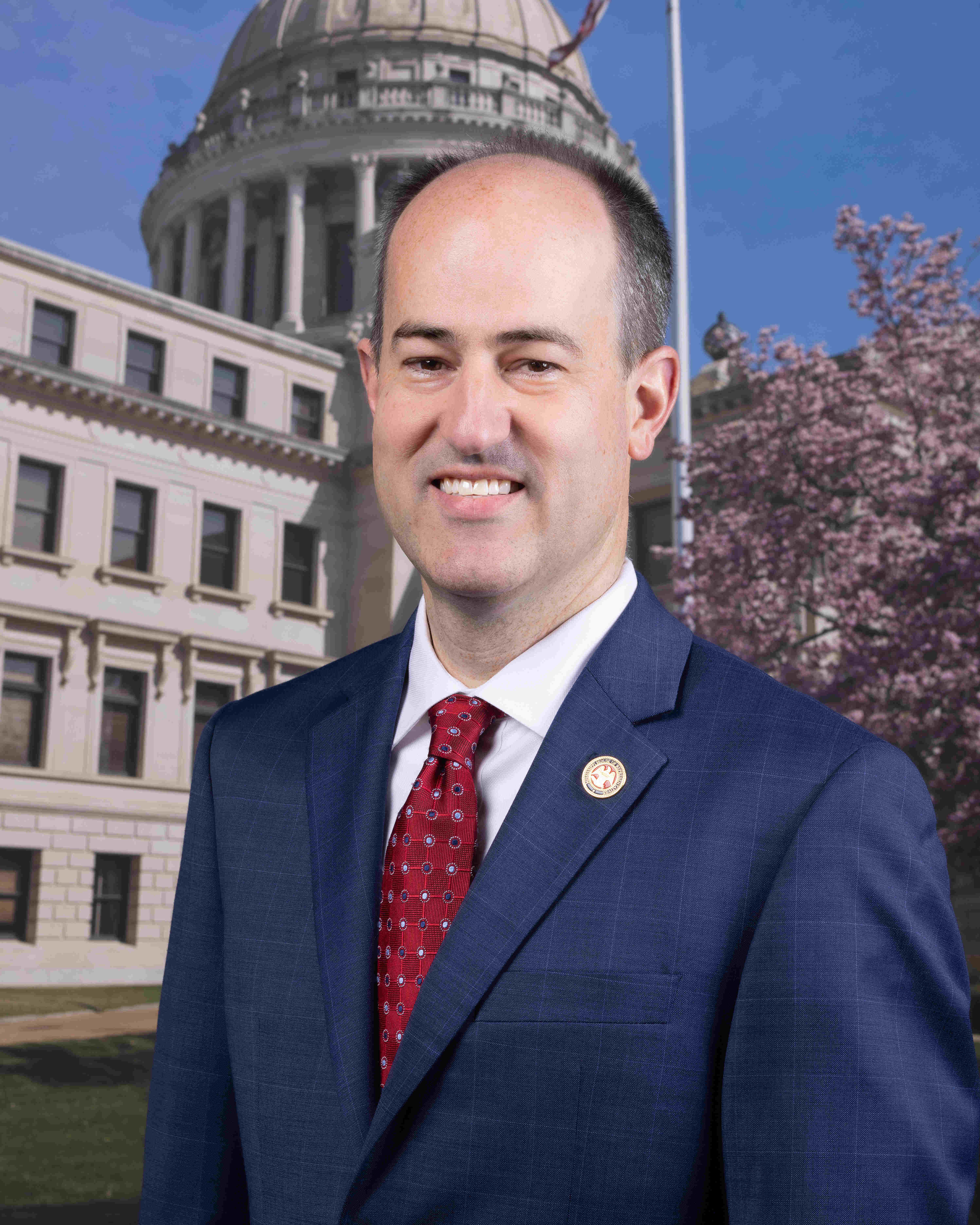
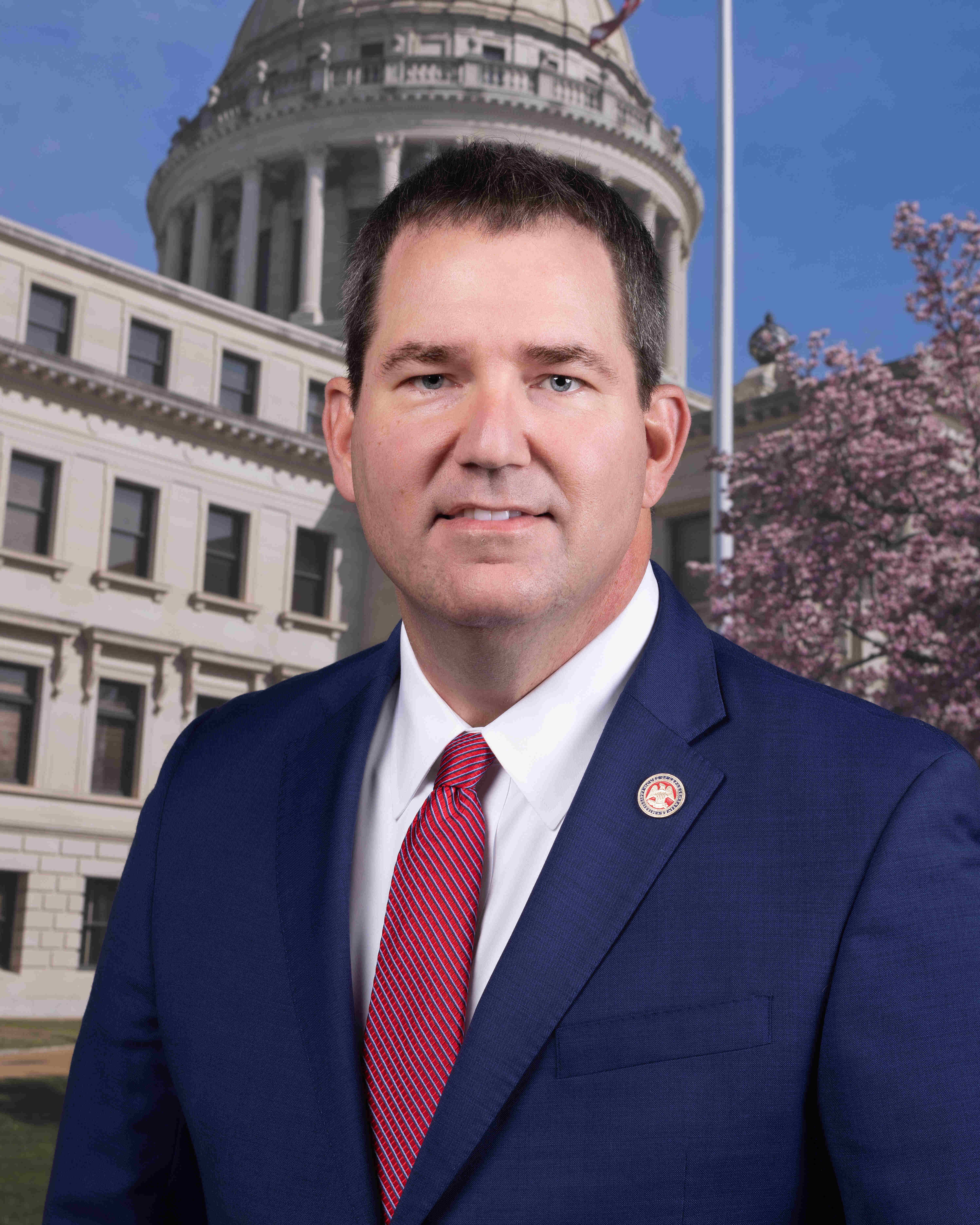
1 primary · 2 co-sponsors

Sponsors