

Maddy summaryMichigan House Bill 6293 establishes the MiNURSES program within the state health department to increase the recruitment, placement, and retention of primary care nurses in rural and urban underserved areas. The bill provides financial assistance for nursing education loans or scholarships to nurses who agree to a two-year service obligation working full-time in designated underserved locations. Payments are made as lump sums at the end of each year of service, funded by a new state treasury account that can receive money from various sources. An advisory commission is created to make recommendations on program operations, and the department must publish an annual report detailing the program's cost-effectiveness, successes, and challenges.
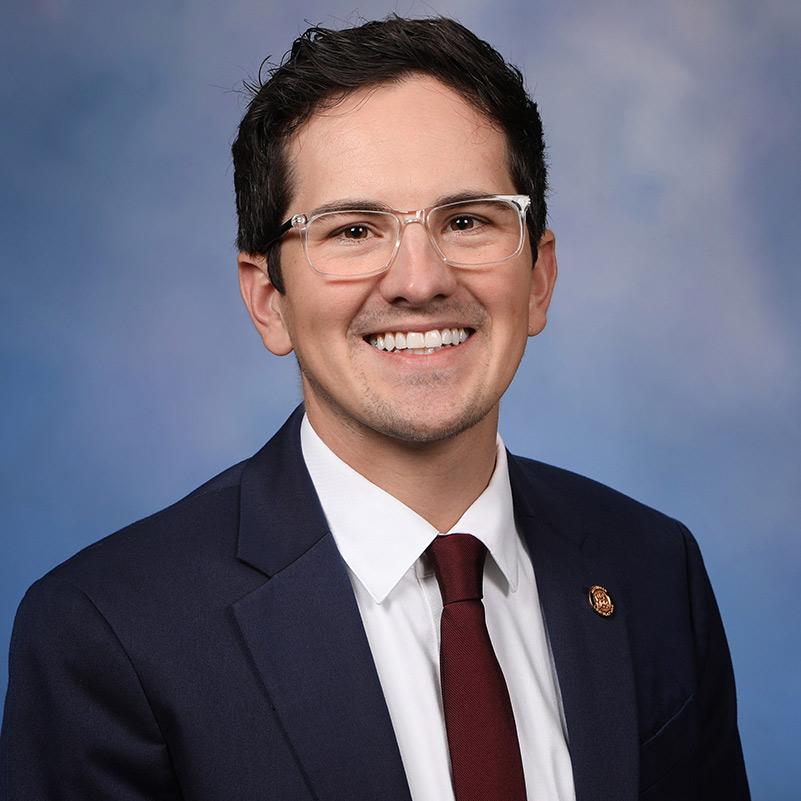
Rep. Jason Morgan
Sponsored bills
Maddy summaryMichigan House Bill 6321 enhances the regulatory standards for adult foster care facilities by requiring the state department to publish online information regarding facility ownership, staff-to-resident ratios, and a five-year history of violations. The bill mandates that facilities post clear complaint procedures and provide new residents with written notices detailing their rights, medication policies, and the distinction between foster care and nursing home services. Additionally, it establishes specific resident rights, including the ability to review health records and past satisfaction surveys, while requiring facilities to maintain a documented internal complaint process that responds to grievances within seven business days.
Maddy summaryMichigan House Bill 6319 amends the state's Mental Health Code to expand the legal definition of a "mental health professional" to include physician assistants, certified nurse practitioners, and clinical nurse specialists. This change allows these three groups of healthcare providers to perform specific clinical functions previously reserved for physicians or psychiatrists, such as conducting physical examinations for involuntary treatment petitions and authorizing the use of physical restraints or seclusion in mental health facilities. The bill also updates related definitions and procedural requirements throughout the code to ensure these new professionals are recognized in contexts involving patient rights, court hearings, and facility safety protocols.
Maddy summaryMichigan House Bill 6317 establishes a legal framework for community cat programs by defining free-roaming cats without visible identification as "community cats" and exempting them from state and local licensing, at-large, and feeding restrictions. The bill authorizes program sponsors to release these cats back into their original locations after they have been sterilized, vaccinated against rabies, and ear-tipped, a process that must be performed while the animal is anesthetized. Individuals who care for these cats are legally protected from being classified as owners or possessors, which prevents them from violating local pet ownership limits, though they remain subject to existing laws prohibiting animal cruelty and neglect. Sponsors and caretakers are required to maintain sterilization and vaccination records for at least three years and make reasonable efforts to arrange veterinary care for sick or injured animals.
Maddy summaryMichigan House Bill 6322 establishes mandatory training standards for unlicensed direct care staff working in adult foster care facilities. The bill requires new hires to complete specific courses within 120 days of being hired, covering topics such as empathy for the aging process, resident rights, dementia care, and identifying abuse. It also mandates annual continuing education and specialized medication administration training for staff who assist residents with taking their medicines. Facilities must maintain detailed records of all training completion and ensure that no staff member has unsupervised contact with a resident until the required initial courses are finished.
Maddy summaryMichigan House Bill 6294 creates a new individual income tax credit for health care professionals who serve as preceptors for student clinical rotations at approved state institutions. For tax years between 2027 and 2031, eligible preceptors can claim $1,000 for every 250 hours of supervision completed, with a maximum annual credit of $3,000. To qualify, the professional must not receive any other payment for their preceptor services and must submit certified documentation verifying their hours when filing their tax return. Any portion of the credit that exceeds the taxpayer's total tax liability for the year will be refunded to them.
Maddy summaryMichigan House Bill 6300 amends the state's Freedom of Information Act to explicitly extend public records transparency requirements to the state legislature and the governor's office. The bill establishes specific procedures for these bodies to designate FOIA coordinators, process record requests, and handle appeals or civil actions for denied disclosures. It also defines a comprehensive list of exemptions for legislative and executive records, such as constituent communications, internal investigations, and security information, while clarifying that these new transparency rules do not override constitutional privileges and immunities.
Maddy summaryThis bill amends Michigan's Adult Foster Care Facility Licensing Act to strengthen oversight and safety standards for facilities caring for adults. It requires the state department to process licensing applications within six months, with financial penalties for delays, and mandates that applicants undergo criminal history checks through the state police and FBI. The legislation also prohibits concurrent licensing of adult foster care homes as child care homes and bars individuals with specific criminal convictions from holding licenses or having access to residents. New provisions require facilities to conduct annual anonymous resident satisfaction surveys covering areas such as staff empathy, food quality, and safety. Additionally, if unlicensed staff administer medication, the facility must hire a licensed pharmacist or registered nurse to perform semiannual reviews of drug regimens and monitor compliance. These changes take effect only if two companion bills are also enacted into law.
Maddy summaryMichigan House Bill 6318 amends the state election law to explicitly prohibit denying or abridging any citizen's right to vote based on their sex. The bill adds a new section, 492c, to the Michigan Election Code to establish this specific protection. This provision directly affects all voters in the state by ensuring that gender cannot be used as a basis for restricting voting access.
Maddy summaryThis bill designates euchre as the official game of the state of Michigan. It creates a new act to formally establish this title in state law. The legislation does not impose any regulations or restrictions on how the game is played, but rather serves as a symbolic designation for the state.