SB 363 Michigan Senate · 2025-2026 Regular Session

Consumer protection: identity theft; references to identity theft protection act in 1846 RS 1; update. Amends sec. 9 of 1846 RS 1 (MCL 8.9). TIE BAR WITH: SB 0360'25

SB 363 amends Michigan's criminal liability standards in Section 9 of the Revised Statutes (MCL 8.9) to clarify when a defendant must prove a specific mental state (like intent or knowledge) for a crime. The key provision updates the statute to explicitly exclude the Identity Theft Protection Act (2004 PA 452) from these new liability rules, ensuring existing standards for identity theft cases remain unchanged. This bill affects all criminal prosecutions under Michigan law except those specifically covered by the Identity Theft Protection Act. The change is procedural, updating statutory references without altering penalties or creating new requirements for identity theft offenses.
Bill status passed 3 of 5 stages cleared
Introduction
Jun 2025
Committee Review
Aug 2025
Senate Passage
Aug 2025
House Passage
Governor
Introduced Jun 5, 2025 Last action Aug 26, 2025
Maddy AI version diff · 1 comparison

What changed between versions

Senate Introduced Bill As Passed by the Senate · 4 edits · Aug 26, 2025
MODERATE
This bill updates Michigan's criminal law to clarify how mental states like intent, knowledge, and recklessness apply to offenses. It adds specific definitions for these terms and establishes that a person cannot use voluntary intoxication or drug use as a defense for most crimes, though an exception exists for specific intent crimes involving legally prescribed medication. The changes aim to ensure consistent application of culpability standards across different types of offenses.
Scope change
The bill expands the scope of the statute by adding new subsections that define key legal terms and explicitly list exclusions for crimes under the Michigan Vehicle Code, Public Health Code, Identity Theft Protection Act, Penal Code, and Chapter 752 of the Compiled Laws.
DEFINITION

Added new subsections defining 'intent', 'knowledge', 'negligence', 'recklessness', and 'culpable' to standardize how these mental states are interpreted in criminal cases.

REQUIREMENT

Added a provision stating that voluntary intoxication or impairment by drugs is not a defense to a crime, with a specific affirmative defense allowed only for specific intent crimes involving legally obtained medication.

SCOPE

Added a list of specific Michigan codes and acts where this section does not apply, clarifying that vehicle, public health, identity theft, penal, and Chapter 752 crimes are excluded from these new mental state rules.

TECHNICAL

Corrected grammatical errors and typos found in the original text, such as fixing run-on sentences and inconsistent phrasing regarding strict liability and culpability.
Floor votes

How they voted

This bill passed the Senate by voice vote (no roll call recorded).
Full legislative history

Actions timeline

Total actions
11
Key actions
3
Committee
5
Aug 26, 2025
Committee
referred to Committee on Government Operations
lower
Aug 26, 2025
Introduced
received on 08/26/2025
lower
Aug 26, 2025
Upper · Passed
PASSED ROLL CALL # 215 YEAS 19 NAYS 15 EXCUSED 3 NOT VOTING 0
upper
Jun 26, 2025
Upper · Passed
REPORTED BY COMMITTEE OF THE WHOLE FAVORABLY WITHOUT AMENDMENT(S)
upper
Jun 12, 2025
Committee
REFERRED TO COMMITTEE OF THE WHOLE
upper
Jun 12, 2025
Upper · Passed
REPORTED FAVORABLY WITHOUT AMENDMENT 6/11/2025
upper
Jun 5, 2025
Committee
REFERRED TO COMMITTEE ON FINANCE, INSURANCE, AND CONSUMER PROTECTION
upper
Jun 5, 2025
Introduced
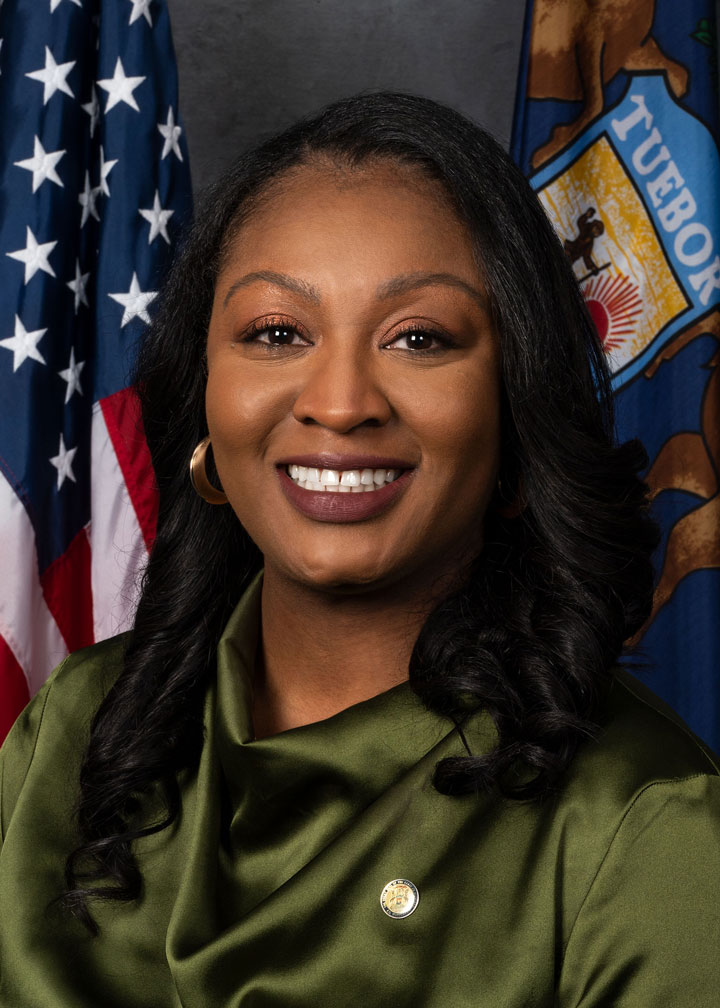
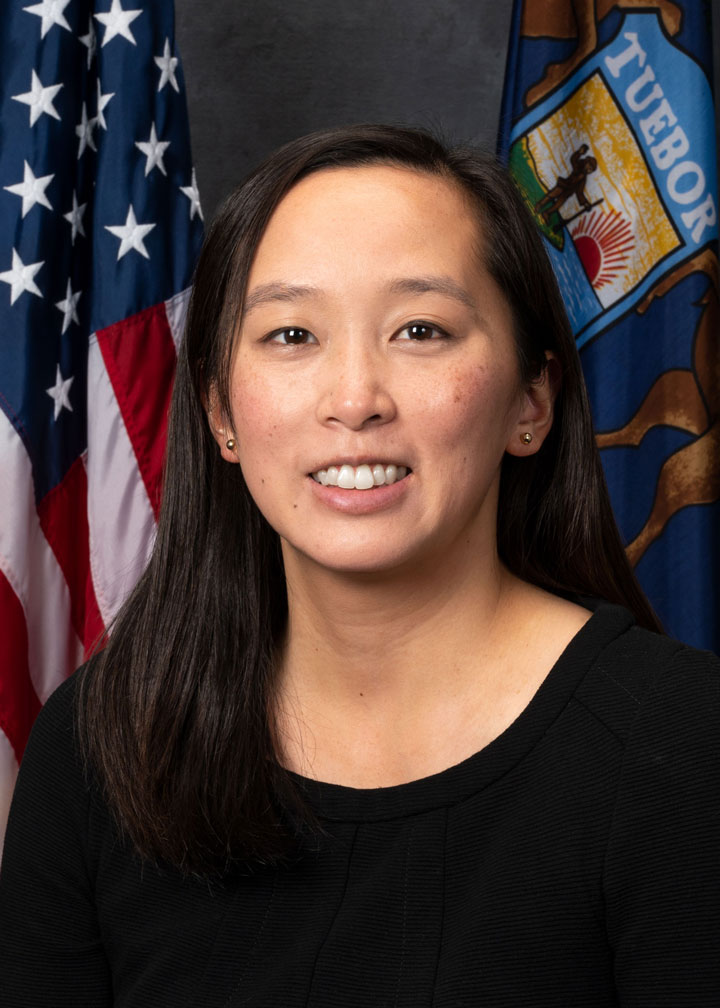
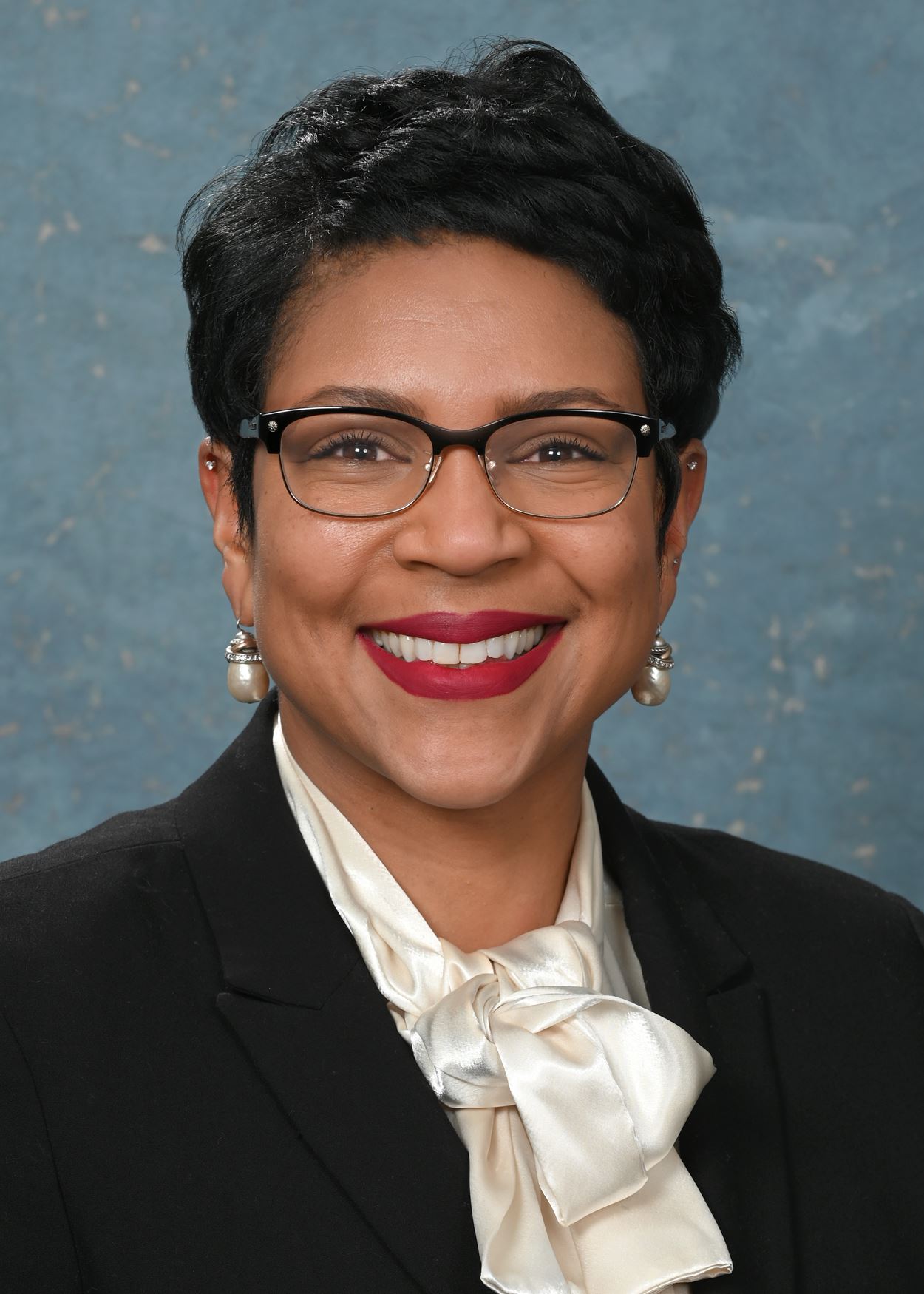
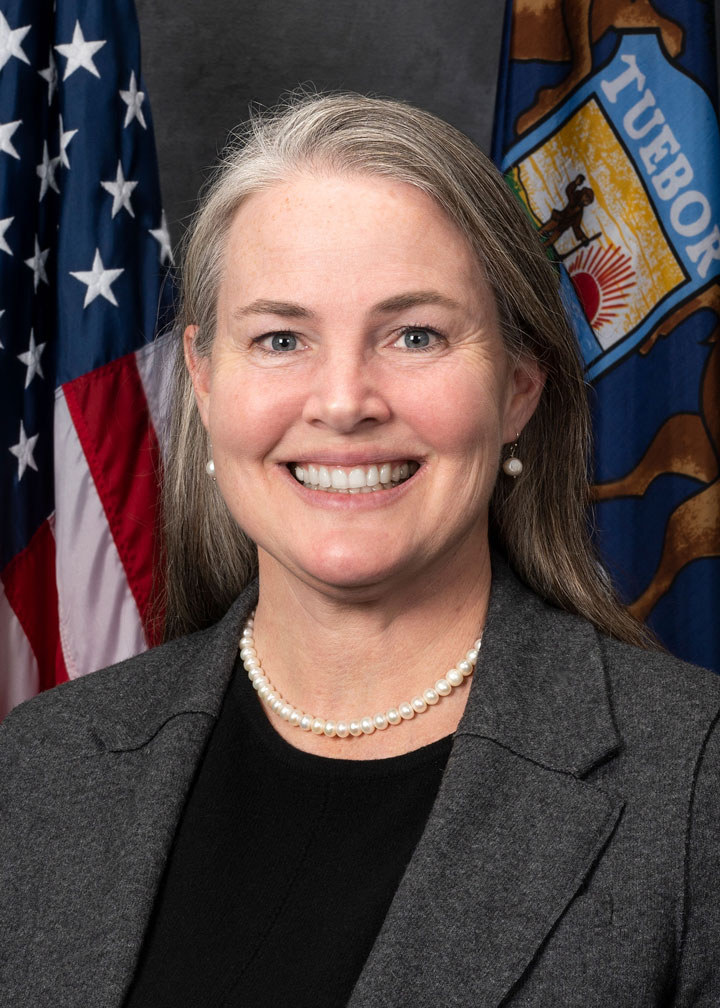
INTRODUCED BY SENATOR SUE SHINK
upper
1 primary · 8 co-sponsors

Sponsors