

Aeronautics: unmanned aircraft systems; database of restricted zones and flight paths for unmanned vehicles; create and provide penalties for using unmanned vehicles in a restricted zone or flight path. Creates new act. TIE BAR WITH: HB 5321'25
HB 5321 creates a state geofencing database managed by Michigan's transportation department to list restricted zones where unmanned vehicles (including drones, ground vehicles, and watercraft) cannot operate. The bill requires the department to develop a public website and a mobile app that warns operators when approaching restricted areas like critical infrastructure, airports, or key facilities. Operating an unmanned vehicle in a restricted zone is a felony punishable by up to 4 years in prison or a $2,500 fine. This law directly affects anyone using unmanned vehicles in Michigan, establishing a new enforcement system to prevent unauthorized flights or operations in sensitive areas.
Bill status
passed
3 of 5 stages cleared
Introduction
Dec 2025
Committee Review
Mar 2026
House Passage
May 2026
Senate Passage
Governor
Introduced Dec 2, 2025
Last action May 12, 2026
Maddy AI version diff · 1 comparison
What changed between versions
House Introduced Bill
→
Substitute (H-3)
·
4 edits
MODERATE
The bill was renamed from the 'state geofencing act' to the 'state unmanned vehicle restricted zone act' to more accurately reflect its focus. The definition of restricted zones was expanded to include critical infrastructure, and a new requirement was added to keep specific locations of that infrastructure secret within the public database. The mobile app requirement was updated to allow for exceptions for authorized personnel and property owners.
Scope change
The bill's scope was broadened by explicitly including 'critical infrastructure' as a type of restricted zone and adding specific exemptions for authorized workers and property owners.
DEFINITION
Added a new definition for 'critical infrastructure' and renumbered existing definitions to accommodate it.
REQUIREMENT
Changed the database requirement to ensure it does not publicly identify the specific locations of critical infrastructure or key facilities.
Updated the mobile phone app requirement to integrate the new database and include functionality for handling these new exceptions.
ELIGIBILITY
Added exemptions allowing authorized personnel to operate vehicles on critical infrastructure and allowing property owners to grant consent for operations in restricted zones.
Floor votes
How they voted
This bill passed the House by voice vote (no roll call recorded).
Full legislative history
Actions timeline
Total actions
9
Key actions
2
Committee
3
May 12, 2026
Lower · Passed
substitute (H-3) adopted
lower
Mar 10, 2026
Committee
referred to second reading
lower
Mar 10, 2026
Lower · Passed
reported with recommendation with substitute (H-3)
lower
Dec 2, 2025
Committee
referred to Committee on Transportation and Infrastructure
lower
Dec 2, 2025
Introduced
introduced by Representative Rep. Luke Meerman
lower
1 primary · 27 co-sponsors
Sponsors
Role
Legislator
Party
State
District
P

Luke Meerman
RRepublican
Co
Brian BeGole
RRepublican
Co
Cam Cavitt
RRepublican
Co
David Martin
RRepublican
Co

Denise Mentzer
DDemocratic
Co
Greg Alexander
RRepublican
Co
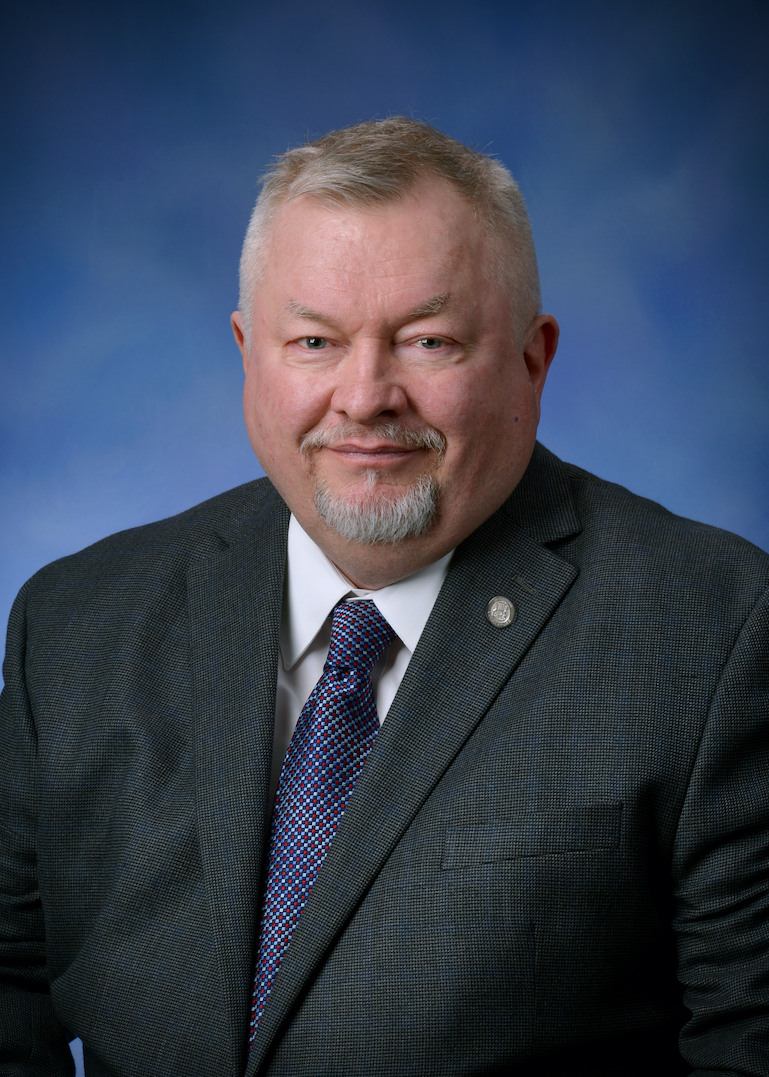
Greg Markkanen
RRepublican
Co
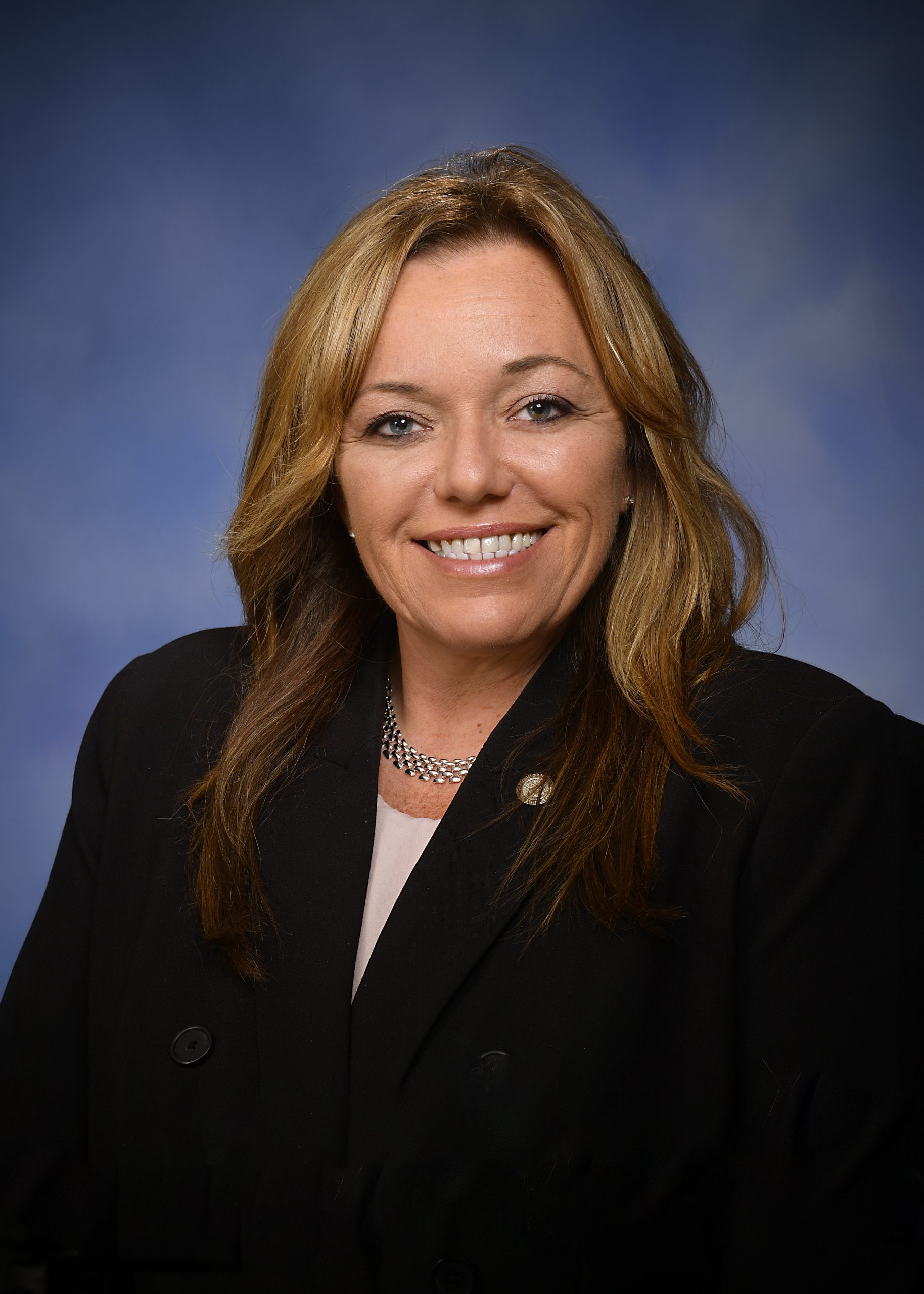
Jamie Thompson
RRepublican
Co

Jason Woolford
RRepublican
Co

Jaz Martus
DDemocratic
Co

Jennifer Conlin
DDemocratic











Ask Maddy
·
AI policy assistant
Ask Maddy about HB 5321
Scope: MI
Hi! I can help you understand HB 5321. What would you like to know?
Try one of these
i
Maddy answers using official bill text and legislative records. Always verify before sharing.
Sources cited inline