HB 4390 Michigan House · 2025-2026 Regular Session

Crimes: intoxication or impairment; methods of testing intoxication or impairment in the Michigan vehicle code; expand to include other bodily fluid. Amends secs. 43b & 319b of 1949 PA 300 (MCL 257.43b & 257.319b) & adds sec. 36d. TIE BAR WITH: HB 4391'25

HB 4390 expands Michigan's vehicle code to allow testing of oral fluid (such as saliva) for controlled substances, alongside blood, breath, or urine, when determining impairment. It directly affects commercial drivers who refuse chemical tests for controlled substances or alcohol while operating commercial vehicles. The bill adds a new definition of "other bodily fluid" to include oral fluid and creates a process for "preliminary oral fluid analysis" conducted by certified experts at the scene. This change updates existing suspension rules for commercial drivers who refuse testing, ensuring consistent enforcement for controlled substances alongside alcohol. The policy change specifically targets commercial motor vehicle operators who decline chemical tests for drugs or alcohol.
Bill status passed both 4 of 5 stages cleared
Introduction
Apr 2025
Committee Review
Jul 2025
House Passage
Jul 2025
Senate Passage
Jul 2025
Governor
Introduced Apr 24, 2025 Last action Jul 17, 2025
Maddy AI version diff · 1 comparison

What changed between versions

House Introduced Bill As Passed by the House · 5 edits · Jul 1, 2025
MODERATE
This bill amends the Michigan Vehicle Code to strengthen penalties for commercial motor vehicle operators who commit serious traffic violations or drug-related offenses. It introduces new definitions for 'preliminary oral fluid analysis' and expands the list of offenses that trigger license suspensions and revocations, including specific federal safety violations and drug crimes.
Scope change
The bill expands the scope of commercial driver license sanctions to include violations of federal motor carrier safety regulations and specific drug-related felonies, applying these stricter penalties to both commercial and noncommercial vehicles when they impact the holder's commercial license.
DEFINITION

Added new definitions for 'Other bodily fluid' and 'Preliminary oral fluid analysis' to clarify testing procedures and legal standards for detecting controlled substances.

REQUIREMENT

Expanded the list of offenses triggering license suspension to include violations of federal motor carrier safety regulations (49 CFR 392.10/392.11) and specific drug-related felonies.

Added new provisions requiring immediate suspension or revocation for violations of sections 319d(4) and 319f, which relate to operating without a valid license or registration.

ENFORCEMENT

Increased suspension periods for repeat offenders and added a new category for life revocation if an operator is convicted of certain drug manufacturing or distribution felonies involving a commercial vehicle.

TIMELINE

Clarified that when counting violations for suspension purposes, the Secretary of State will only consider incidents occurring after January 1, 1990.

Floor votes · House Jul 1, 2025

How they voted

This bill passed the Senate by voice vote (no roll call recorded).
Full legislative history

Actions timeline

Total actions
13
Key actions
3
Committee
4
Jul 17, 2025
Committee
REFERRED TO COMMITTEE ON CIVIL RIGHTS, JUDICIARY, AND PUBLIC SAFETY
upper
Jul 17, 2025
Upper · Passed
PASSED BY HOUSE WITH IMMEDIATE EFFECT
upper
Jul 1, 2025
Lower · Passed
passed; given immediate effect Roll Call #169 Yeas 61 Nays 44 Excused 0 Not Voting 5
lower
May 22, 2025
Committee
referred to second reading
lower
May 22, 2025
Lower · Passed
reported with recommendation without amendment
lower
Apr 24, 2025
Committee
referred to Committee on Government Operations
lower
Apr 24, 2025
Introduced
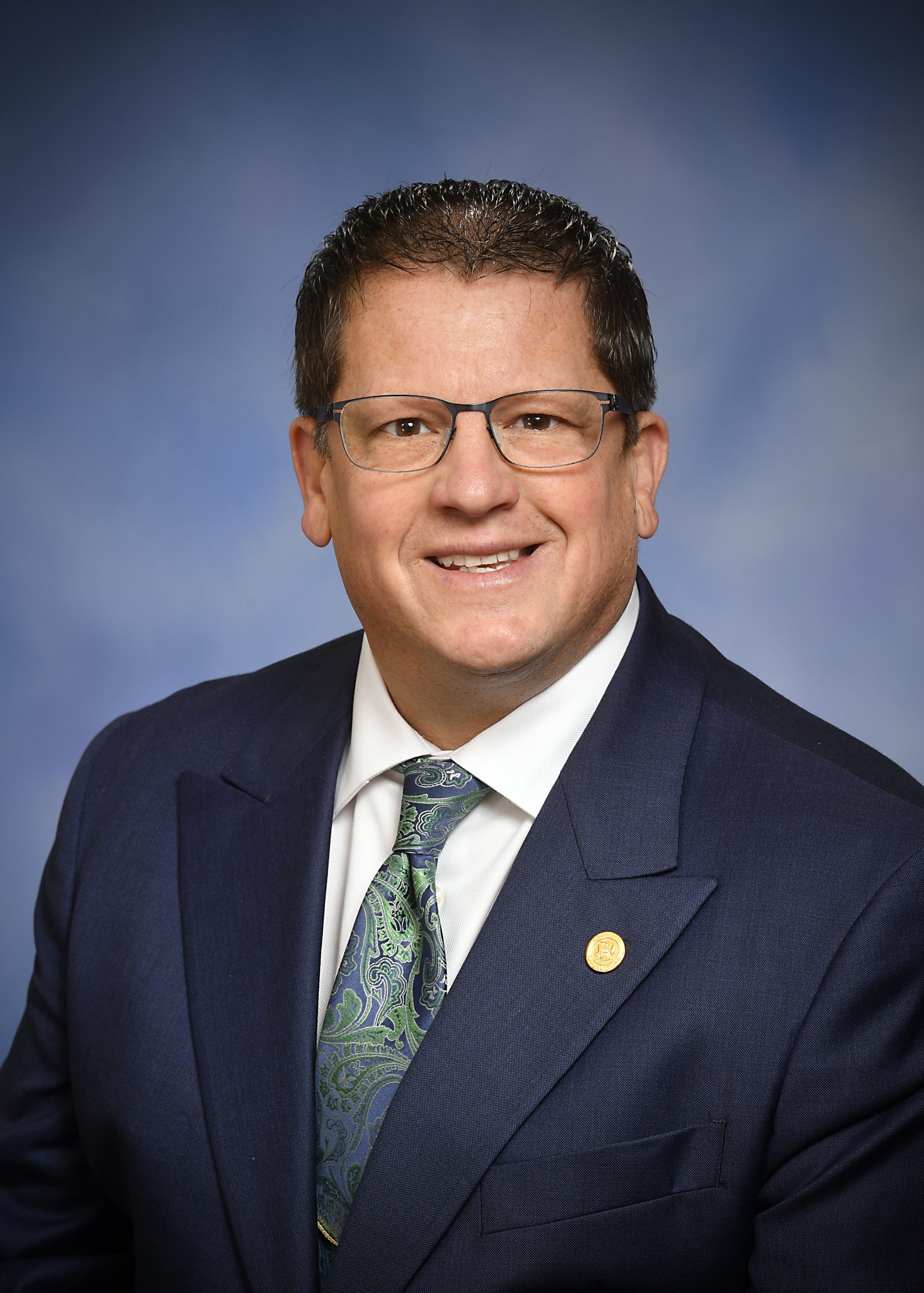
introduced by Representative Rep. Brian BeGole
lower
1 primary · 32 co-sponsors

Sponsors