

In committee Sep 21, 2026
1 co-sponsor
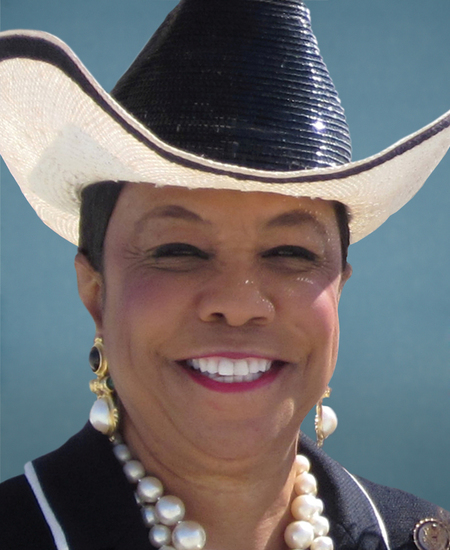
Rep. Frederica S. Wilson
Total votes
2,837
all sessions
Attendance
87%
363 missed
Lower than 98% of chamber peers
With party
98%
of cast votes
Higher than 94% of chamber peers
Bipartisan score
1%
crosses aisle rarely
Lower than 98% of chamber peers
Sponsored
1,495
bills & resolutions
Higher than 85% of chamber peers
Committees
7
assignments
1,495 bills and resolutions
Sponsored bills
Total
1,495
Primary
69
Co-sponsor
1,426
This page
1,495
matching current filters
Water Resources Development Act of 2026
Maddy summaryThis bill, titled the Water Resources Development Act of 2026, authorizes the U.S. Army Corps of Engineers to improve rivers, harbors, and water resources across the United States while establishing new administrative offices to better manage inland navigation, water supply, and community outreach. It introduces specific mechanisms such as creating a new board for levee owners to advise on flood safety, allowing for categorical permissions to streamline certain environmental reviews, and mandating a prohibition on diverting water from the Missouri River without approval from all relevant state governors. The legislation also authorizes numerous specific projects for flood risk management, ecosystem restoration, and water supply in locations ranging from Alaska to Texas, while simultaneously deauthorizing or modifying older projects that are no longer needed or require changes to better align with current environmental and safety standards.
Passed Sep 17, 2026
1 co-sponsor
To designate the facility of the United States Postal Service located at 401 North Elm Street in Tuskegee, Alabama, as the "Tuskegee Airmen Memorial Post Office".
This bill designates the facility of the United States Postal Service located at 401 North Elm Street in Tuskegee, Alabama, as the "Tuskegee Airmen Memorial Post Office".
Passed Sep 17, 2026
1 co-sponsor
In committee Sep 16, 2026
0 co-sponsors
In committee Sep 16, 2026
0 co-sponsors
SYLLABLE Act of 2026
Maddy summaryThe SYLLABLE Act of 2026 authorizes the Department of Education to award up to five grants over a five-year period to partnerships consisting of local school districts, early childhood education programs, and technical assistance providers. These grants are designed to fund dual language immersion programs for children from low-income families, including English learners and minority students, serving them from preschool through fifth grade. To receive funding, applicants must demonstrate that their programs use a partner language for at least half of the instructional day and include rigorous assessment systems, professional development for teachers, and strong community engagement. The bill appropriates $15 million for fiscal year 2027 and such sums as necessary for the following four years to support these initiatives and conduct evaluations of their effectiveness.
Budget & TaxesSupports Budget & TaxesThe bill authorizes the Department of Education to award grants to fund dual language immersion programs for children from low-income families, which involves government spending and fiscal management.
EducationSupports EducationThe bill establishes grants for dual language immersion programs for low-income children, English learners, and minority students from preschool through fifth grade, directly advancing educational access and programs.
ImmigrationSupports ImmigrationThe bill funds dual language immersion programs for English learners, which are often immigrant children, thereby supporting immigrant integration and access to educational services.
In committee Sep 16, 2026
1 co-sponsor
FLUENT Act
Maddy summaryThe FLUENT Act authorizes a competitive grant program to provide family literacy services to households with English language learners, specifically targeting families that include at least one child under the age of eight. The Department of Education would award grants ranging from $150,000 to $1,000,000 to eligible providers, such as schools and nonprofit organizations, for periods of up to five years. These funds must be used for research-based instruction grounded in the science of reading, with a requirement that programs prioritize families facing the greatest economic and educational needs. The bill also mandates that grantees track specific outcomes, including improvements in English proficiency, primary language skills, and caregiver workforce readiness, while reserving federal funds for program evaluation and technical assistance.
EducationSupports EducationThe FLUENT Act authorizes a competitive grant program to provide family literacy services, specifically targeting English language learners and young children, which directly supports educational access and development.
ImmigrationSupports ImmigrationThe bill provides family literacy services specifically targeting households with English language learners, which supports immigrant integration and services.
In committee Sep 16, 2026
1 co-sponsor
Reaching English Learners Act
Maddy summaryThe Reaching English Learners Act establishes a competitive grant program to help colleges and universities improve how they prepare teachers to instruct students who are learning English. These grants, which last up to five years, require partnerships between higher education institutions and high-need school districts or early childhood programs to develop curricula that include evidence-based teaching strategies such as bilingual and immersion education. Recipients must cover at least half of the program costs with non-federal funds and prioritize recruiting teacher candidates from underrepresented groups or those who are former English learners. The law also mandates that these partnerships evaluate their progress in placing new teachers in high-need areas and report findings to the Secretary of Education.
EducationSupports EducationThe bill creates a grant program for higher education institutions to improve teacher preparation for English language learners, directly supporting teacher development and educational access.
ImmigrationSupports ImmigrationThe bill supports English learners by funding teacher preparation programs, which directly benefits immigrant students and their integration into the education system.
In committee Sep 16, 2026
1 co-sponsor
Backlog Justice Act of 2026
Maddy summaryThe Backlog Justice Act of 2026 aims to reduce the backlog of untested sexual assault evidence kits by requiring the Attorney General to create a public database tracking inventory levels and laboratory processing times across state and local jurisdictions. To address staffing shortages, the bill authorizes the FBI to develop training programs for forensic analysts and DNA technical leaders, allowing states and localities to hire individuals who have completed this federal training. Additionally, it funds a program for the FBI to collaborate with state and local providers on validating new DNA processing technologies and sharing related protocols. The legislation also provides increased grant funding to states that implement electronic tracking systems allowing sexual assault survivors to monitor the status of their evidence kits from collection through final disposition.
In committee Sep 16, 2026
1 co-sponsor
Equity in Research Act
Maddy summaryThe Equity in Research Act directs the National Science Foundation to create a grant program that provides financial assistance to specific institutions of higher education for improving their research capabilities. These grants, ranging from $1 million to $5 million per institution, can be used to upgrade building infrastructure, purchase materials and equipment, and cover personnel costs related to research activities. The bill targets a defined group of schools, including Historically Black Colleges and Universities, Hispanic-serving institutions, Tribal colleges, and various other minority-serving and land-grant universities. To fund this initiative, the legislation authorizes $50 million in appropriations for fiscal year 2027 and each subsequent year.
Budget & TaxesSupports Budget & TaxesThe bill establishes a grant program providing financial assistance to higher education institutions, directly impacting government spending and appropriations to improve research capabilities.
EducationSupports EducationThe bill establishes a grant program through the National Science Foundation to provide financial assistance to institutions of higher education, specifically targeting improvements in research capabilities, infrastructure, and personnel costs.
TechnologySupports TechnologyThe bill funds research capabilities, which often involve advanced technology and equipment, thereby strengthening the technology sector within academic institutions.
In committee Sep 16, 2026
1 co-sponsor
Ask Maddy
·
AI policy assistant
Ask Maddy about Frederica S. Wilson
Scope: maryland
Hi! I can help you understand Frederica S. Wilson's legislative record. What would you like to know?
Try one of these
i
Maddy answers using official bill text and legislative records. Always verify before sharing.
Sources cited inline