

Wiretapping and Electronic Surveillance - Intercepted Communications - Admissibility of Evidence
SB 661 modifies Maryland law to clarify when intercepted communications (like phone calls or texts) can be used as evidence in criminal court. It allows such evidence if: (1) at least one party was outside Maryland during the communication, (2) the interception wasn’t done by Maryland law enforcement, and (3) all parties were co-conspirators in a violent crime. For other cases, it sets strict conditions for admissibility, including requiring prosecutors to notify defendants 14 days in advance and proving the evidence is more relevant than alternatives. The bill directly affects criminal defendants, prosecutors, and law enforcement handling wiretap evidence in Maryland courts. It takes effect October 1, 2026.
Bill status
passed
3 of 5 stages cleared
Introduction
Feb 2026
Committee Review
Mar 2026
Senate Passage
Mar 2026
House of Delegates Passage
Governor
Introduced Feb 6, 2026
Last action Mar 26, 2026
Maddy AI version diff · 1 comparison
What changed between versions
First - Wiretapping and Electronic Surveillance - Intercepted Communications - Admissibility of Evidence
→
Third - Wiretapping and Electronic Surveillance - Intercepted Communications - Admissibility of Evidence
·
4 edits
MODERATE
SB 661 significantly expands Maryland's wiretap exception law by adding a new affirmative defense that allows individuals to legally intercept communications if they reasonably believe they are in imminent danger of becoming a victim of a violent crime. The bill also clarifies that recordings of crimes against the person (murder, rape, and certain domestic assault) can be used as evidence in criminal proceedings.
Scope change
The bill expands the scope of lawful wiretapping by creating a new exception for individuals who intercept communications to protect themselves from imminent danger of violent crimes, whereas previously only law enforcement and co-conspirators had specific exceptions.
ELIGIBILITY
Added an affirmative defense allowing individuals to intercept communications if they reasonably believed they were in imminent danger of becoming a victim of murder, rape, or first-degree domestic assault.
Added specific crimes against the person (murder, rape, and first-degree domestic assault) as qualifying offenses for evidence admissibility.
REQUIREMENT
Changed the bill's legislative history from repealing and reenacting Section 10-405 to adding a new subsection 10-402(c)(12) and repealing Section 10-405 with amendments.
TECHNICAL
Updated sponsor list to include additional senators and added committee report and adoption status indicating favorable action.
Floor votes · Senate Mar 5, 2026
How they voted
38–2
Passed · 9 other
Total votes 49
Mar 5, 2026
D
Democratic36
83% Yea
R
Republican13
61% Yea
Vote distribution
All Yea
All Nay
Mixed
No data
Full legislative history
Actions timeline
Total actions
9
Key actions
4
Committee
4
Mar 23, 2026
Committee
Referred Judiciary
lower
Mar 20, 2026
Upper · Passed
Third Reading Passed
upper
Mar 20, 2026
Upper · Passed
Favorable with Amendments {
upper
Mar 20, 2026
Upper · Passed
Favorable with Amendments Report by Judicial Proceedings
upper
Mar 5, 2026
Senate · Passed
Senate Vote: pass (38-2-9)
senate
Feb 6, 2026
Committee
First Reading Judicial Proceedings
upper
11 primary · 0 co-sponsors
Sponsors
Role
Legislator
Party
State
District
P
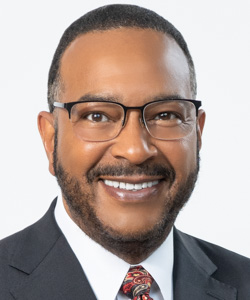
Anthony Muse
DDemocratic
P
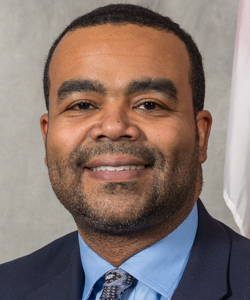
Charles Sydnor
DDemocratic
P

Chris West
RRepublican
P

Jeff Waldstreicher
DDemocratic
P

Mary-Dulany James
DDemocratic
P

Mike McKay
RRepublican
P

Nick Charles
DDemocratic
P

Sara Love
DDemocratic
P

Shaneka Henson
DDemocratic
P

Will Smith
DDemocratic
P

William Folden
RRepublican
Ask Maddy
·
AI policy assistant
Ask Maddy about SB 661
Scope: MD
Hi! I can help you understand SB 661. What would you like to know?
Try one of these
i
Maddy answers using official bill text and legislative records. Always verify before sharing.
Sources cited inline