

Criminal Law - Interference With Critical Infrastructure or a Public Safety Answering Point
SB 482 makes it a crime to intentionally access or interfere with computer systems supporting critical infrastructure (like emergency services, utilities, or public safety answering points) with the intent to disrupt operations. It prohibits unauthorized access, ransomware attacks, or sharing access codes to such systems, specifically targeting acts meant to impair public safety services. The law applies to individuals who disrupt or deny access to systems vital for public security, health, transportation, or utilities. It amends Maryland’s criminal code to clarify penalties for these specific cyber-related interferences.
Bill status
signed
all 5 stages cleared
Introduction
Feb 2026
Committee Review
Apr 2026
Senate Passage
Apr 2026
House of Delegates Passage
Apr 2026
Signed into Law
May 2026
Introduced Feb 2, 2026
Signed May 12, 2026
Maddy AI version diff · 1 comparison
What changed between versions
First - Criminal Law - Interference With Critical Infrastructure or a Public Safety Answering Point
→
Third - Criminal Law - Interference With Critical Infrastructure or a Public Safety Answering Point
·
3 edits
MINOR
The bill was amended to add 'intentionally, willfully, and without authorization' to the prohibited acts, clarifying that only deliberate and unauthorized interference with critical infrastructure is criminalized. The sponsor list was updated to include Senator Kagan, and the document was reclassified from a standard bill to a chapter with favorable committee recommendations.
Scope change
The scope of criminal liability was narrowed by adding specific mental state requirements (intent and willfulness) to the prohibited actions.
REQUIREMENT
Added the phrases 'intentionally, willfully, and without authorization' to the description of prohibited acts, ensuring that accidental or authorized access is not criminalized.
ELIGIBILITY
Updated the sponsor list to include Senator Kagan alongside Senator McKay.
TECHNICAL
Changed the document header from 'A BILL ENTITLED' to 'CHAPTER ______' and added a favorable committee report status.
Floor votes · Senate Feb 28, 2026 · House of Delegates Mar 25, 2026
How they voted
47–0
Passed · 2 other
Total votes 49
Feb 28, 2026
D
Democratic36
94% Yea
R
Republican13
100% Yea
Vote distribution
All Yea
All Nay
Mixed
No data
Full legislative history
Actions timeline
Total actions
18
Key actions
13
Committee
7
Amendments
1
May 12, 2026
Signed into law
Approved by the Governor - Chapter 520
executive
Apr 10, 2026
Upper · Passed
Returned Passed
upper
Apr 10, 2026
Lower · Passed
Third Reading Passed
lower
Apr 8, 2026
Lower · Passed
Favorable Adopted Second Reading Passed
lower
Apr 8, 2026
Lower · Passed
Favorable Report by Judiciary
lower
Mar 25, 2026
House Of Delegates · Passed
House of Delegates Vote: pass (132-0-10)
house of delegates
Mar 17, 2026
Committee
Referred Judiciary
lower
Mar 13, 2026
Upper · Passed
Third Reading Passed
upper
Mar 11, 2026
Introduced
Floor Amendment {
upper
Mar 11, 2026
Upper · Passed
Motion Special Order until Later Today (Senator McKay) Adopted
upper
Mar 11, 2026
Upper · Passed
Favorable with Amendments {
upper
Mar 10, 2026
Upper · Passed
Motion Laid Over (Senator McKay) Adopted
upper
Mar 10, 2026
Upper · Passed
Favorable with Amendments {
upper
Mar 9, 2026
Upper · Passed
Favorable with Amendments Report by Judicial Proceedings
upper
Feb 28, 2026
Senate · Passed
Senate Vote: pass (47-0-2)
senate
Feb 2, 2026
Committee
First Reading Judicial Proceedings
upper
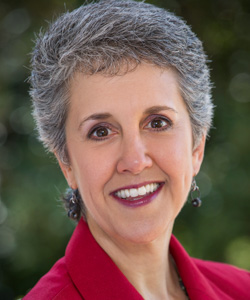
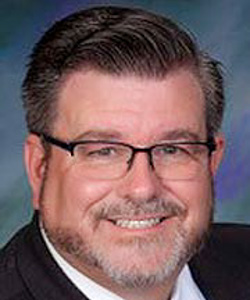
2 primary · 0 co-sponsors
Sponsors
Ask Maddy
·
AI policy assistant
Ask Maddy about SB 482
Scope: MD
Hi! I can help you understand SB 482. What would you like to know?
Try one of these
i
Maddy answers using official bill text and legislative records. Always verify before sharing.
Sources cited inline