

Criminal Procedure - Evidence - Protecting Artists' Creative Expression (PACE Act)
SB 475 (the PACE Act) protects artists' creative works - like music, dance, visual art, poetry, and film - from being used as evidence against them in criminal or juvenile court. It prohibits such "creative expression" from being admitted unless a court finds by a preponderance of evidence that: (1) the artist intended it literally (not figuratively), (2) it directly references the specific crime facts, and (3) it’s relevant to a disputed fact. The bill explicitly excludes juvenile cases where creative expression is used to evaluate mental health or diversion programs. It applies directly to defendants and juvenile respondents whose artistic work might otherwise be introduced against them. The law takes effect October 1, 2026.
Bill status
signed
all 5 stages cleared
Introduction
Feb 2026
Committee Review
Apr 2026
Senate Passage
Apr 2026
House of Delegates Passage
Apr 2026
Signed into Law
May 2026
Introduced Feb 2, 2026
Signed May 12, 2026
Maddy AI version diff · 2 comparisons
What changed between versions
Third - Criminal Procedure - Evidence - Protecting Artists' Creative Expression (PACE Act)
→
Enrolled - Criminal Procedure - Evidence - Protecting Artists' Creative Expression (PACE Act)
·
3 edits
·
May 12, 2026
MINOR
The bill was finalized into its Enrolled version, adding standard legal formatting and signatures required for the Governor's approval. A key substantive addition clarifies that creative expression is only admissible if it has a 'close temporal and factual nexus' to the alleged offense, preventing unrelated art from being used as evidence.
Scope change
The bill's scope remains focused on criminal and juvenile proceedings, but the admissibility criteria were tightened to require a direct connection between the artwork and the crime.
REQUIREMENT
Added a requirement that the creative expression must have a close temporal and factual nexus to the alleged offense to be admissible.
TECHNICAL
Added standard Enrolled Bill formatting, including space for the Governor's signature and proofreader details.
Reorganized the document structure to match the final enrolled format, moving the bill title and section headers.
Floor votes · Senate Mar 22, 2026 · House of Delegates Mar 22, 2026
How they voted
34–10
Passed · 5 other
Total votes 49
Mar 22, 2026
D
Democratic36
88% Yea
R
Republican13
76% Nay
Vote distribution
All Yea
All Nay
Mixed
No data
Full legislative history
Actions timeline
Total actions
18
Key actions
10
Committee
6
Amendments
1
May 12, 2026
Signed into law
Approved by the Governor - Chapter 517
executive
Apr 9, 2026
Upper · Passed
Passed Enrolled
upper
Apr 9, 2026
Upper · Passed
Third Reading Passed
upper
Apr 9, 2026
Introduced
Senate Concurs House Amendments
upper
Apr 8, 2026
Lower · Passed
Third Reading Passed
lower
Apr 6, 2026
Lower · Passed
Favorable with Amendments {
lower
Apr 6, 2026
Lower · Passed
Favorable with Amendments Report by Judiciary
lower
Mar 24, 2026
Committee
Referred Judiciary
lower
Mar 23, 2026
Upper · Passed
Third Reading Passed
upper
Mar 23, 2026
Upper · Passed
Favorable Adopted
upper
Mar 23, 2026
Upper · Passed
Favorable Report by Judicial Proceedings
upper
Mar 22, 2026
Senate · Passed
Senate Vote: pass (34-10-5)
senate
Feb 2, 2026
Committee
First Reading Judicial Proceedings
upper
4 primary · 0 co-sponsors
Sponsors
Role
Legislator
Party
State
District
P
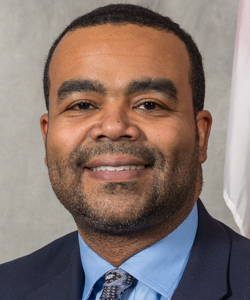
Charles Sydnor
DDemocratic
P
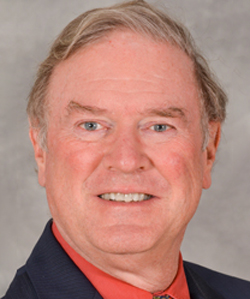
Chris West
RRepublican
P

Johnny Mautz
RRepublican
P

Nick Charles
DDemocratic
Ask Maddy
·
AI policy assistant
Ask Maddy about SB 475
Scope: MD
Hi! I can help you understand SB 475. What would you like to know?
Try one of these
i
Maddy answers using official bill text and legislative records. Always verify before sharing.
Sources cited inline