

Hospitals and Freestanding Birthing Centers - High-Risk Pregnancies - Communication After Discharge
SB 348 requires hospitals and freestanding birthing centers in Maryland to provide specific postpartum support to individuals who have experienced high-risk pregnancies. It mandates that facilities complete referral forms for local health departments, provide resources about postpartum complications (including cardiovascular conditions, chronic disease, substance misuse, and mental health), and call birthing parents 24 to 72 hours after discharge to assess their status. The bill also requires annual reports from health departments detailing referrals made through this process. These provisions apply to all facilities delivering newborns following high-risk pregnancies and take effect October 1, 2026.
Bill status
passed both
4 of 5 stages cleared
Introduction
Jan 2026
Committee Review
Apr 2026
Senate Passage
Mar 2026
House of Delegates Passage
Apr 2026
Governor
Introduced Jan 23, 2026
Last action Apr 13, 2026
Maddy AI version diff · 1 comparison
What changed between versions
First - Hospitals and Freestanding Birthing Centers - High-Risk Pregnancies - Communication After Discharge
→
Third - Hospitals and Freestanding Birthing Centers - High-Risk Pregnancies - Communication After Discharge
·
3 edits
MINOR
The bill was amended to clarify that hospitals and birthing centers must contact high-risk parents after discharge, rather than strictly requiring a phone call. This change allows the contact to be made through other means, such as text or email, while maintaining the 24-to-72-hour window to check on the parent's status.
Scope change
The scope of the contact requirement was broadened from a mandatory phone call to a general requirement to 'contact' the parent, offering more flexibility in how providers reach out.
REQUIREMENT
Changed the mandatory requirement for a phone call to a general requirement to 'contact' the birthing parent, allowing for alternative communication methods like text or email.
TECHNICAL
Added a committee report indicating the bill was adopted with amendments and read a second time, reflecting its progression through the legislative process.
Updated the bill title and purpose section to explicitly mention the removal of the specific requirement for a phone call.
Floor votes · Senate Feb 27, 2026 · House of Delegates Apr 1, 2026
How they voted
32–15
Passed · 2 other
Total votes 49
Feb 27, 2026
D
Democratic36
86% Yea
R
Republican13
92% Nay
Vote distribution
All Yea
All Nay
Mixed
No data
Full legislative history
Actions timeline
Total actions
14
Key actions
8
Committee
6
Apr 13, 2026
Lower · Passed
Third Reading Passed
lower
Apr 13, 2026
Lower · Passed
Favorable with Amendments {
lower
Apr 11, 2026
Lower · Passed
Favorable with Amendments Report by Health
lower
Apr 1, 2026
House Of Delegates · Passed
House of Delegates Vote: pass (100-34-8)
house of delegates
Mar 13, 2026
Committee
Referred Health
lower
Mar 12, 2026
Upper · Passed
Third Reading Passed
upper
Mar 10, 2026
Upper · Passed
Favorable with Amendments {
upper
Mar 9, 2026
Upper · Passed
Favorable with Amendments Report by Finance
upper
Feb 27, 2026
Senate · Passed
Senate Vote: pass (32-15-2)
senate
Jan 23, 2026
Committee
First Reading Finance
upper
1 primary · 0 co-sponsors
Sponsors
Role
Legislator
Party
State
District
P
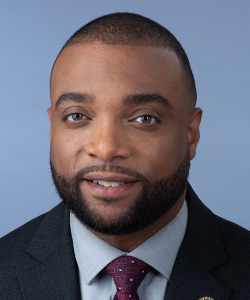
Carl Jackson
DDemocratic
Ask Maddy
·
AI policy assistant
Ask Maddy about SB 348
Scope: MD
Hi! I can help you understand SB 348. What would you like to know?
Try one of these
i
Maddy answers using official bill text and legislative records. Always verify before sharing.
Sources cited inline