

Criminal Procedure - Evidence - Protecting Artists' Creative Expression (PACE Act)
HB 687 (the PACE Act) protects criminal defendants and juvenile respondents in Maryland from having their creative works (like music, poetry, visual art, or film) used as evidence against them in court. It blocks such evidence unless a court finds, by a preponderance of evidence, that the creator intended the work to be literal (not fictional), it directly references the specific facts of the alleged crime, and it's relevant to a disputed fact. The bill explicitly excludes this protection for juvenile cases where creative expression is used to evaluate mental health or diversion programs. This law directly affects artists facing criminal or juvenile charges in Maryland, changing how their original creative expression can be considered as evidence. The law takes effect October 1, 2026.
Bill status
passed
3 of 5 stages cleared
Introduction
Feb 2026
Committee Review
Apr 2026
House of Delegates Passage
Apr 2026
Senate Passage
Governor
Introduced Feb 2, 2026
Last action Apr 9, 2026
Maddy AI version diff · 1 comparison
What changed between versions
First - Criminal Procedure - Evidence - Protecting Artists' Creative Expression (PACE Act)
→
Third - Criminal Procedure - Evidence - Protecting Artists' Creative Expression (PACE Act)
·
3 edits
MINOR
The bill was advanced to the third reading with a favorable committee report, indicating it is close to becoming law. The text includes minor formatting adjustments and a new signature block for the Governor, Speaker, and Senate President, but the core legal provisions regarding the protection of artists' creative expression in criminal proceedings remain substantively unchanged.
TECHNICAL
Minor formatting adjustments to line breaks and spacing within the definition of 'creative expression' and the list of included art forms.
Added a signature block at the end of the bill for the Governor, Speaker of the House, and President of the Senate, which was not present in the previous version.
Removed the 'A BILL ENTITLED' header and replaced it with 'CHAPTER ______', a standard procedural change for bills nearing final passage.
Floor votes · House of Delegates Mar 20, 2026
How they voted
101–36
Passed · 5 other
Total votes 142
Mar 20, 2026
D
Democratic103
97% Yea
R
Republican39
92% Nay
Vote distribution
All Yea
All Nay
Mixed
No data
Full legislative history
Actions timeline
Total actions
9
Key actions
4
Committee
5
Apr 9, 2026
Committee
Rereferred to Judicial Proceedings
upper
Apr 8, 2026
Committee
Referred Rules
upper
Apr 7, 2026
Lower · Passed
Third Reading Passed
lower
Apr 6, 2026
Lower · Passed
Favorable with Amendments {
lower
Apr 6, 2026
Lower · Passed
Favorable with Amendments Report by Judiciary
lower
Mar 20, 2026
House Of Delegates · Passed
House of Delegates Vote: pass (101-36-5)
house of delegates
Feb 2, 2026
Committee
First Reading Judiciary
lower
24 primary · 0 co-sponsors
Sponsors
Role
Legislator
Party
State
District
P
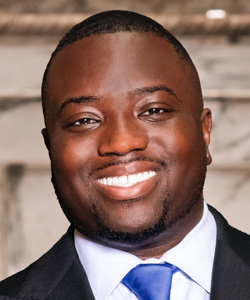
Adrian Boafo
DDemocratic
P
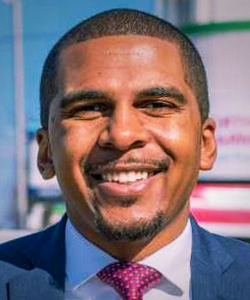
Caylin Young
DDemocratic
P
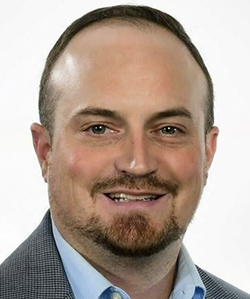
Chris Tomlinson
RRepublican
P
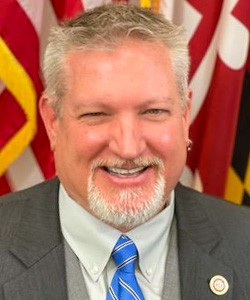
Christopher Bouchat
RRepublican
P
Debra Davis
DDemocratic
P
Deni Taveras
DDemocratic
P

Elizabeth Embry
DDemocratic
P
Frank Conaway
DDemocratic
P
Gabriel Acevero
DDemocratic
P
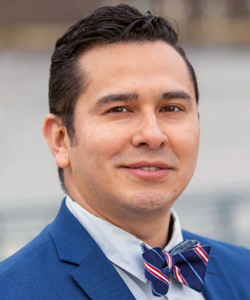
Gabriel Moreno
DDemocratic
P
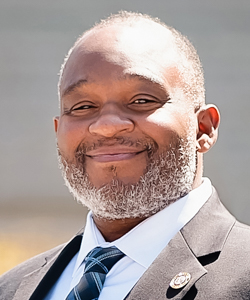
Gary Simmons
DDemocratic
P
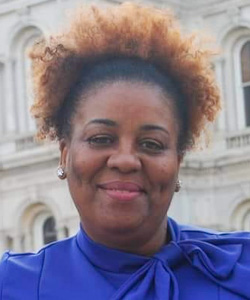
Jackie Addison
DDemocratic
P
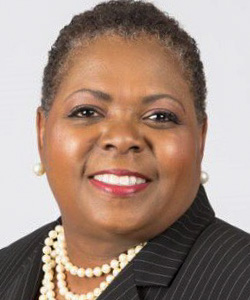
Jamila Woods
DDemocratic
P
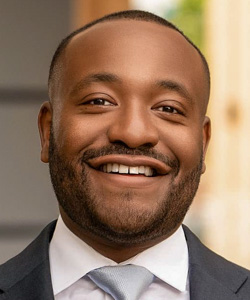
Jeff Long
DDemocratic
P

Jheanelle Wilkins
DDemocratic
P
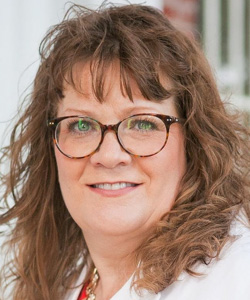
Karen Simpson
DDemocratic
P
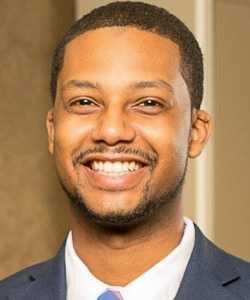
Kent Roberson
DDemocratic
P

Kris Fair
DDemocratic
P
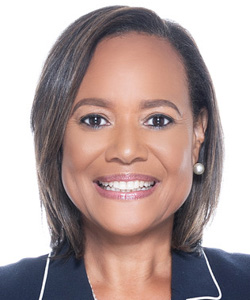
Kym Taylor
DDemocratic
P

Malcolm Ruff
DDemocratic
P

Marlon Amprey
DDemocratic
P
Nicole Williams
DDemocratic
P
Robbyn Lewis
DDemocratic
P
Sean Stinnett
DDemocratic
Ask Maddy
·
AI policy assistant
Ask Maddy about HB 687
Scope: MD
Hi! I can help you understand HB 687. What would you like to know?
Try one of these
i
Maddy answers using official bill text and legislative records. Always verify before sharing.
Sources cited inline