

Criminal Law - Interference With Critical Infrastructure or a Public Safety Answering Point
HB 593 amends Maryland's criminal law to specifically prohibit unauthorized actions intended to disrupt critical infrastructure or public safety answering points. It makes it a crime to intentionally access, copy data from, or possess access codes for systems like power grids, emergency call centers, or transportation networks with the intent to impair their function. The bill defines "critical infrastructure" as systems vital to public security, health, safety, or utilities, and explicitly includes ransomware attacks as a prohibited act. This law directly affects individuals who interfere with these essential systems, imposing criminal penalties for intentional disruption.
Bill status
signed
all 5 stages cleared
Introduction
Jan 2026
Committee Review
Apr 2026
House of Delegates Passage
Apr 2026
Senate Passage
Apr 2026
Signed into Law
May 2026
Introduced Jan 28, 2026
Signed May 12, 2026
Maddy AI version diff · 1 comparison
What changed between versions
First - Criminal Law - Interference With Critical Infrastructure or a Public Safety Answering Point
→
Third - Criminal Law - Interference With Critical Infrastructure or a Public Safety Answering Point
·
2 edits
MINOR
The bill text has been updated to reflect its progression from the first reading to the third reading, incorporating committee approval and final adoption. Substantively, the definitions for 'Access' and 'Aggregate amount' were reordered to appear earlier in the statute, while the core definitions for critical infrastructure and cyber terms remain unchanged.
TECHNICAL
The bill header was updated to show committee approval, adoption, and the second reading date, indicating the bill has passed its legislative hurdles.
The order of the definitions for 'Access' and 'Aggregate amount' was swapped; 'Access' now appears before 'Aggregate amount' in the list of defined terms.
Floor votes · Senate Mar 25, 2026 · House of Delegates Feb 20, 2026
How they voted
47–0
Passed · 2 other
Total votes 49
Mar 25, 2026
D
Democratic36
97% Yea
R
Republican13
92% Yea
Vote distribution
All Yea
All Nay
Mixed
No data
Full legislative history
Actions timeline
Total actions
14
Key actions
10
Committee
6
May 12, 2026
Signed into law
Approved by the Governor - Chapter 521
executive
Apr 13, 2026
Lower · Passed
Returned Passed
lower
Apr 13, 2026
Upper · Passed
Third Reading Passed
upper
Apr 8, 2026
Upper · Passed
Favorable Adopted Second Reading Passed
upper
Apr 8, 2026
Upper · Passed
Favorable Report by Judicial Proceedings
upper
Mar 25, 2026
Senate · Passed
Senate Vote: pass (47-0-2)
senate
Feb 27, 2026
Committee
Referred Judicial Proceedings
upper
Feb 26, 2026
Lower · Passed
Third Reading Passed
lower
Feb 24, 2026
Lower · Passed
Favorable Adopted
lower
Feb 23, 2026
Lower · Passed
Favorable Report by Judiciary
lower
Feb 20, 2026
House Of Delegates · Passed
House of Delegates Vote: pass (137-0-5)
house of delegates
Jan 28, 2026
Committee
First Reading Judiciary
lower
5 primary · 0 co-sponsors
Sponsors
Role
Legislator
Party
State
District
P

Gabriel Moreno
DDemocratic
P

Pam Guzzone
DDemocratic
P

Regina Boyce
DDemocratic
P

Stephanie Smith
DDemocratic
P
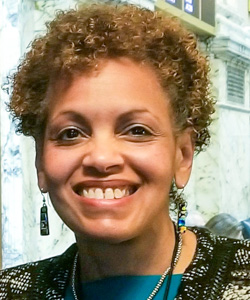
Terri Hill
DDemocratic
Ask Maddy
·
AI policy assistant
Ask Maddy about HB 593
Scope: MD
Hi! I can help you understand HB 593. What would you like to know?
Try one of these
i
Maddy answers using official bill text and legislative records. Always verify before sharing.
Sources cited inline