

Residential Child Care Programs - Education of Children and Training of Child and Youth Care Practitioners
HB 396 requires operators of licensed residential child care programs (like group homes and emergency shelters) to ensure children aged 5-16 in their care receive proper education. It mandates enrolling children in local schools (or approved in-house programs), transferring academic records, meeting with teachers, and providing study time, homework help, and support for extracurricular activities or individualized education plans. The bill also sets new training standards for child care practitioners, requiring background checks, education credentials, and approved training on child development and their role. These changes directly affect residential programs receiving state funding and their staff in Maryland.
Bill status
signed
all 5 stages cleared
Introduction
Jan 2026
Committee Review
Apr 2026
House of Delegates Passage
Apr 2026
Senate Passage
Apr 2026
Signed into Law
May 2026
Introduced Jan 22, 2026
Signed May 26, 2026
Maddy AI version diff · 2 comparisons
What changed between versions
Third - Residential Child Care Programs - Education of Children and Training of Child and Youth Care Practitioners
→
Enrolled - Residential Child Care Programs - Education of Children and Training of Child and Youth Care Practitioners
·
3 edits
·
May 26, 2026
MINOR
The bill was formally enrolled and adopted, moving from a draft state to an official law. The text was reformatted to include new proofreading and sealing sections required for enrolled bills. Substantive policy content regarding child care education requirements appears unchanged in this specific diff, though the formatting highlights several words in all-caps to emphasize key obligations for operators.
Scope change
The bill's scope and applicability remain unchanged; it continues to govern residential child care programs in Maryland.
TECHNICAL
The document was updated from a House Bill to an Enrolled Bill, adding standard legal formatting for proofreading, sealing, and presentation to the Governor.
The text was reorganized to list repealed and reenacted sections in a different order, moving the Education section to appear before the Health Occupations section.
Several critical phrases within the education requirements were converted to all-caps (e.g., 'ENSURE THE CHILD REMAINS ENROLLED'), likely to emphasize these obligations to operators and school officials.
Floor votes · Senate Mar 24, 2026 · House of Delegates Apr 2, 2026
How they voted
40–0
Passed · 9 other
Total votes 49
Mar 24, 2026
D
Democratic36
83% Yea
R
Republican13
76% Yea
Vote distribution
All Yea
All Nay
Mixed
No data
Full legislative history
Actions timeline
Total actions
19
Key actions
11
Committee
6
Amendments
1
May 26, 2026
Signed into law
Approved by the Governor - Chapter 640
executive
Apr 13, 2026
Lower · Passed
Passed Enrolled
lower
Apr 13, 2026
Lower · Passed
Third Reading Passed
lower
Apr 13, 2026
Introduced
House Concurs Senate Amendments
lower
Apr 10, 2026
Upper · Passed
Third Reading Passed
upper
Apr 10, 2026
Upper · Passed
Favorable with Amendments {
upper
Apr 10, 2026
Upper · Passed
Favorable with Amendments Report by Education, Energy, and the Environment
upper
Apr 2, 2026
House Of Delegates · Passed
House of Delegates Vote: pass (117-2-23)
house of delegates
Mar 24, 2026
Senate · Passed
Senate Vote: pass (40-0-9)
senate
Mar 9, 2026
Committee
Referred Education, Energy, and the Environment
upper
Mar 6, 2026
Lower · Passed
Third Reading Passed
lower
Mar 5, 2026
Lower · Passed
Favorable with Amendments {
lower
Mar 4, 2026
Lower · Passed
Favorable with Amendments Report by Ways and Means
lower
Jan 22, 2026
Committee
First Reading Ways and Means
lower
32 primary · 0 co-sponsors
Sponsors
Role
Legislator
Party
State
District
P
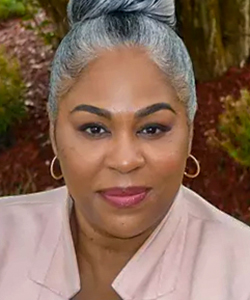
Aletheia McCaskill
DDemocratic
P
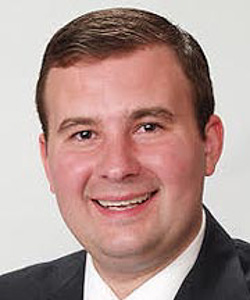
Andrew Pruski
DDemocratic
P

Bernice Mireku-North
DDemocratic
P
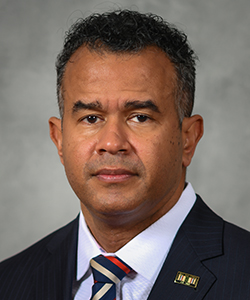
C.T. Wilson
DDemocratic
P
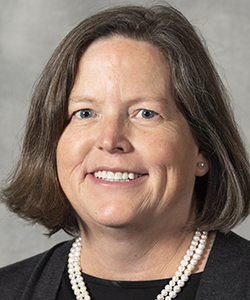
Cathi Forbes
DDemocratic
P

Caylin Young
DDemocratic
P
Charlotte Crutchfield
DDemocratic
P
Cheryl Pasteur
DDemocratic
P
Dana Stein
DDemocratic
P
Deni Taveras
DDemocratic
P
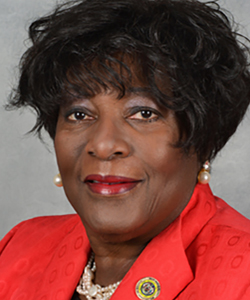
Edith Patterson
DDemocratic
P
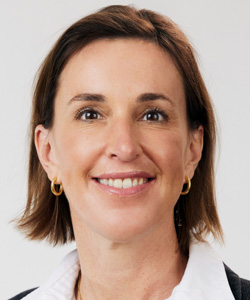
Elizabeth Embry
DDemocratic
P

Eric Ebersole
DDemocratic
P
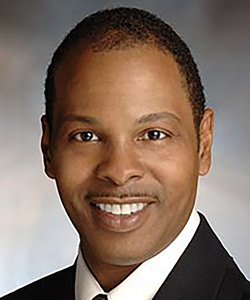
Frank Conaway
DDemocratic
P

Gabriel Acevero
DDemocratic
P
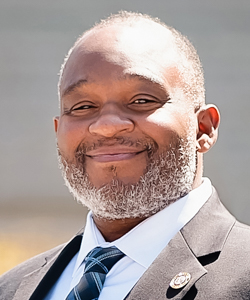
Gary Simmons
DDemocratic
P

Greg Wims
DDemocratic
P
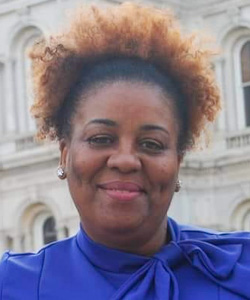
Jackie Addison
DDemocratic
P

Jeff Long
DDemocratic
P

Jennifer White Holland
DDemocratic
P
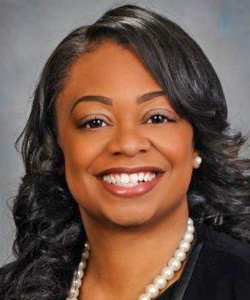
Karen Toles
DDemocratic
P

Malcolm Ruff
DDemocratic
P
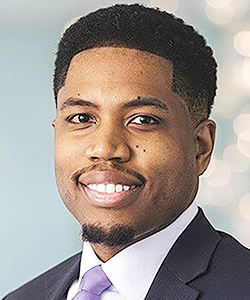
Marlon Amprey
DDemocratic
P
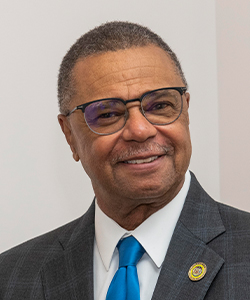
Marvin Holmes
DDemocratic
P
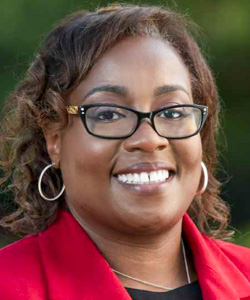
Nicole Williams
DDemocratic
P
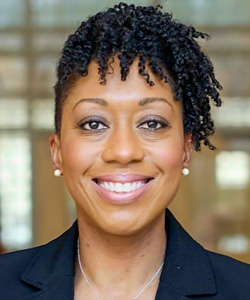
Regina Boyce
DDemocratic
P
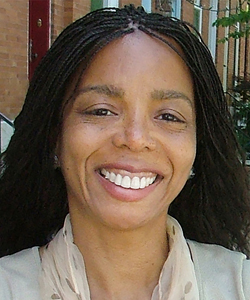
Robbyn Lewis
DDemocratic
P
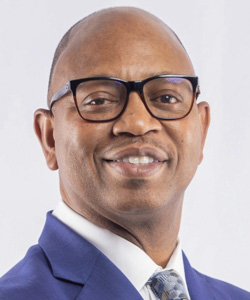
Scott Phillips
DDemocratic
P
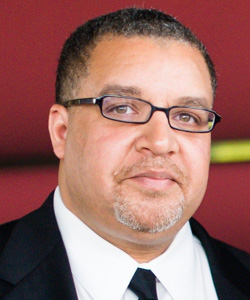
Sean Stinnett
DDemocratic
P
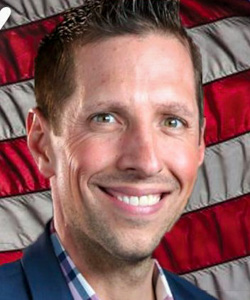
Stuart Schmidt
RRepublican
P
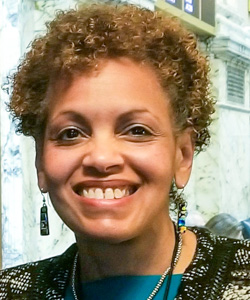
Terri Hill
DDemocratic
P
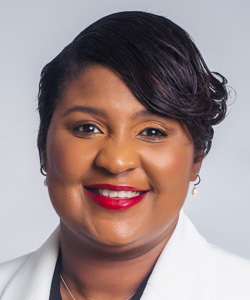
Tiffany Alston
DDemocratic
Ask Maddy
·
AI policy assistant
Ask Maddy about HB 396
Scope: MD
Hi! I can help you understand HB 396. What would you like to know?
Try one of these
i
Maddy answers using official bill text and legislative records. Always verify before sharing.
Sources cited inline