

Peer-to-Peer Car Sharing Programs - Insurance and Liability
HB 1186 modifies insurance and liability rules for peer-to-peer car sharing programs (like Turo or Getaround) in Maryland. It changes coverage so that a program’s insurance is secondary for replacement vehicles (meaning a driver’s personal insurance covers first), removes restrictions preventing insurers from adjusting a shared vehicle owner’s personal policy solely due to vehicle sharing, and allows programs to charge drivers for tolls or fees they incur. The bill also clarifies that car sharing platforms are not considered "vehicle owners" for traffic violations captured by cameras. These changes directly affect car sharing platforms, drivers using these services, and vehicle owners who list their cars on such programs.
Bill status
signed
all 5 stages cleared
Introduction
Feb 2026
Committee Review
Mar 2026
House of Delegates Passage
Apr 2026
Senate Passage
Apr 2026
Signed into Law
Apr 2026
Introduced Feb 11, 2026
Signed Apr 14, 2026
Maddy AI version diff · 1 comparison
What changed between versions
First - Peer-to-Peer Car Sharing Programs - Insurance and Liability
→
Third - Peer-to-Peer Car Sharing Programs - Insurance and Liability
·
3 edits
MINOR
The bill was amended to clarify that peer-to-peer car sharing programs must provide primary security for third-party liability claims, replacing language that authorized them to transfer monetary liability. The bill also added a new sponsor, Delegate Moreno, and updated the legislative history to reflect its adoption and favorable committee report.
Scope change
The bill's scope regarding liability remains focused on peer-to-peer car sharing, but the specific mechanism for handling third-party claims was altered to require the program to provide security on a primary basis.
REQUIREMENT
Changed the requirement for peer-to-peer car sharing programs from authorizing them to transfer monetary liability to requiring them to provide security on a primary basis for third-party liability claims.
TECHNICAL
Added Delegate Moreno as a co-sponsor to the bill.
Added a committee report indicating the bill was favorable with amendments and noted that it was adopted by the House.
Floor votes · House of Delegates Mar 5, 2026
How they voted
This bill passed the Senate by voice vote (no roll call recorded).
Full legislative history
Actions timeline
Total actions
13
Key actions
9
Committee
6
Apr 14, 2026
Signed into law
Approved by the Governor - Chapter 50
executive
Apr 7, 2026
Lower · Passed
Returned Passed
lower
Apr 6, 2026
Upper · Passed
Third Reading Passed
upper
Mar 31, 2026
Upper · Passed
Favorable Adopted Second Reading Passed
upper
Mar 30, 2026
Upper · Passed
Favorable Report by Finance
upper
Mar 19, 2026
Committee
Referred Finance
upper
Mar 18, 2026
Lower · Passed
Third Reading Passed
lower
Mar 18, 2026
Lower · Passed
Favorable with Amendments {
lower
Mar 18, 2026
Lower · Passed
Favorable with Amendments Report by Judiciary
lower
Mar 5, 2026
House Of Delegates · Passed
House of Delegates Vote: pass (133-0-9)
house of delegates
Feb 11, 2026
Committee
First Reading Judiciary
lower
4 primary · 0 co-sponsors
Sponsors
Role
Legislator
Party
State
District
P
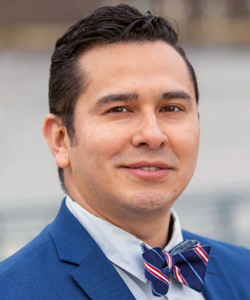
Gabriel Moreno
DDemocratic
P
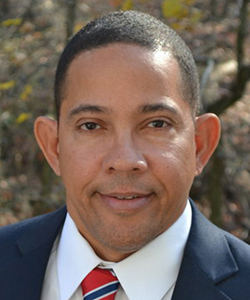
Mike Rogers
DDemocratic
P
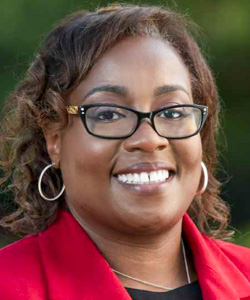
Nicole Williams
DDemocratic
P
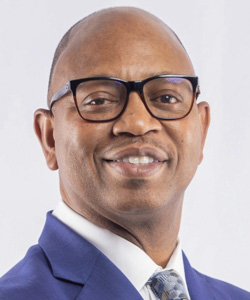
Scott Phillips
DDemocratic
Ask Maddy
·
AI policy assistant
Ask Maddy about HB 1186
Scope: MD
Hi! I can help you understand HB 1186. What would you like to know?
Try one of these
i
Maddy answers using official bill text and legislative records. Always verify before sharing.
Sources cited inline