

Criminal Law - Interference With a Public Safety Answering Point - Penalties
SB 81 prohibits intentional interference with public safety answering points (PSAPs), which are emergency call centers like 911 dispatch systems. It makes it a felony to intentionally disrupt PSAP operations (with penalties of up to 5 years in prison or $25,000 fines) or to actually cause disruption (up to 10 years or $50,000 fines). The law specifically targets actions that impair emergency call services, such as blocking 911 access, and applies to anyone who causes such disruption without authorization. It does not cover authorized security testing or legitimate uses like ransomware for authorized security research. This bill directly affects individuals who intentionally interfere with emergency call systems, strengthening penalties for threats to public safety infrastructure.
Bill status
signed
all 5 stages cleared
Introduction
Sep 2024
Committee Review
Apr 2025
Senate Passage
Apr 2025
House of Delegates Passage
Apr 2025
Signed into Law
Apr 2025
Introduced Sep 19, 2024
Signed Apr 22, 2025
Maddy AI version diff · 1 comparison
What changed between versions
First - Criminal Law - Interference With a Public Safety Answering Point - Penalties
→
Third - Criminal Law - Interference With a Public Safety Answering Point - Penalties
·
4 edits
MODERATE
This bill reformatted the text of Senate Bill 81 to improve readability and added explanatory notes about how amendments are marked. The substantive criminal law provisions regarding interference with public safety answering points and computer systems remained unchanged.
TECHNICAL
Changed bill header information to reflect updated committee status and Senate adoption date
Added explanatory notes explaining that capital letters indicate new text, brackets indicate deleted text, and underlining indicates amendments
Reorganized the numbering and formatting of subsections (c) and (d) to improve readability while maintaining the same legal content
SUBSTANTIVE
The actual criminal penalties and prohibited conduct regarding computer interference and public safety answering points remained the same
Floor votes · Senate Feb 9, 2025 · House of Delegates Mar 24, 2025
How they voted
44–0
Passed · 2 other
Total votes 46
Feb 9, 2025
D
Democratic33
93% Yea
R
Republican13
100% Yea
Vote distribution
All Yea
All Nay
Mixed
No data
Full legislative history
Actions timeline
Total actions
16
Key actions
10
Committee
6
Apr 22, 2025
Signed into law
Approved by the Governor - Chapter 160
executive
Apr 7, 2025
Upper · Passed
Returned Passed
upper
Apr 7, 2025
Lower · Passed
Third Reading Passed
lower
Apr 2, 2025
Lower · Passed
Favorable Adopted Second Reading Passed
lower
Apr 2, 2025
Lower · Passed
Favorable Report by Judiciary
lower
Mar 24, 2025
House Of Delegates · Passed
House of Delegates Vote: pass (131-1-7)
house of delegates
Feb 21, 2025
Committee
Referred Judiciary
lower
Feb 20, 2025
Upper · Passed
Third Reading Passed
upper
Feb 18, 2025
Upper · Passed
Favorable with Amendments {
upper
Feb 17, 2025
Upper · Passed
Favorable with Amendments Report by Judicial Proceedings
upper
Feb 9, 2025
Senate · Passed
Senate Vote: pass (44-0-2)
senate
Jan 8, 2025
Committee
First Reading Judicial Proceedings
upper
Sep 19, 2024
Introduced
Pre-filed
upper
1 primary · 0 co-sponsors
Sponsors
Role
Legislator
Party
State
District
P
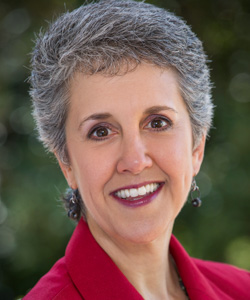
Cheryl Kagan
DDemocratic
Ask Maddy
·
AI policy assistant
Ask Maddy about SB 81
Scope: MD
Hi! I can help you understand SB 81. What would you like to know?
Try one of these
i
Maddy answers using official bill text and legislative records. Always verify before sharing.
Sources cited inline