

Criminal Procedure - Child Victims - Testimony in Child Abuse Cases
HB 293 allows courts in Maryland to order child victims of abuse to testify via closed-circuit TV outside the courtroom when their presence with the defendant would cause serious emotional distress that prevents them from communicating. This applies to cases under Maryland’s Family Law or Criminal Law regarding child abuse, but only if the defendant has legal representation. The bill specifies that defendants cannot be in the same room as the child during testimony, and limits who may be present (attorneys, therapists, or others supporting the child). It also prohibits two-way video that would let the child see or hear the defendant during testimony. The law takes effect October 1, 2025.
Bill status
signed
all 5 stages cleared
Introduction
Jan 2025
Committee Review
Apr 2025
House of Delegates Passage
Apr 2025
Senate Passage
Apr 2025
Signed into Law
Apr 2025
Introduced Jan 9, 2025
Signed Apr 22, 2025
Maddy AI version diff · 1 comparison
What changed between versions
First - Criminal Procedure - Child Victims - Testimony in Child Abuse Cases
→
Third - Criminal Procedure - Child Victims - Testimony in Child Abuse Cases
·
5 edits
MODERATE
HB 293 was amended to add more sponsors and include committee approval, while making substantive changes to child testimony procedures. The bill now clarifies that closed-circuit television testimony cannot be used if the defendant or child respondent lacks counsel, and adds new requirements for how courts evaluate emotional distress and manage courtroom access during testimony.
Scope change
The bill's scope remains focused on child abuse testimony procedures, but eligibility for closed-circuit testimony is now explicitly tied to the presence of legal counsel for defendants or child respondents.
ELIGIBILITY
Added requirement that closed-circuit television testimony does not apply if a defendant or child respondent is without counsel
REQUIREMENT
Added new subsections detailing specific procedures for courts to observe and question child victims during preliminary determinations
Modified courtroom access rules to allow attorneys for each party during preliminary hearings while restricting defendant presence
Added requirement that defendants must have real-time private communication with their attorney during testimony
TECHNICAL
Added new sponsors to the bill and included committee report and adoption status
Floor votes · Senate Mar 24, 2025 · House of Delegates Mar 4, 2025
How they voted
46–0
Passed
Total votes 46
Mar 24, 2025
D
Democratic33
100% Yea
R
Republican13
100% Yea
Vote distribution
All Yea
All Nay
Mixed
No data
Full legislative history
Actions timeline
Total actions
15
Key actions
10
Committee
6
Apr 22, 2025
Signed into law
Approved by the Governor - Chapter 150
executive
Apr 7, 2025
Lower · Passed
Returned Passed
lower
Apr 7, 2025
Upper · Passed
Third Reading Passed
upper
Apr 7, 2025
Upper · Passed
Favorable Adopted
upper
Apr 7, 2025
Upper · Passed
Favorable Report by Judicial Proceedings
upper
Mar 24, 2025
Senate · Passed
Senate Vote: pass (46-0)
senate
Mar 17, 2025
Committee
Referred Judicial Proceedings
upper
Mar 14, 2025
Lower · Passed
Third Reading Passed
lower
Mar 13, 2025
Lower · Passed
Favorable with Amendments {
lower
Mar 13, 2025
Lower · Passed
Favorable with Amendments Report by Judiciary
lower
Mar 4, 2025
House Of Delegates · Passed
House of Delegates Vote: pass (138-0-1)
house of delegates
Jan 9, 2025
Committee
First Reading Judiciary
lower
14 primary · 0 co-sponsors
Sponsors
Role
Legislator
Party
State
District
P

Aaron Kaufman
DDemocratic
P
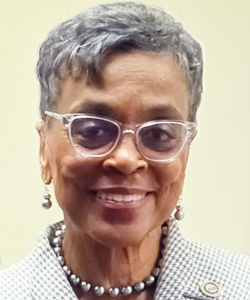
Cheryl Pasteur
DDemocratic
P
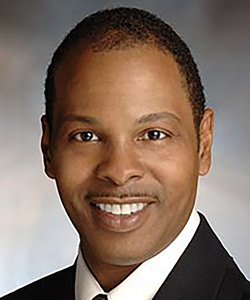
Frank Conaway
DDemocratic
P

Gary Simmons
DDemocratic
P

Jesse Pippy
RRepublican
P

Karen Simpson
DDemocratic
P
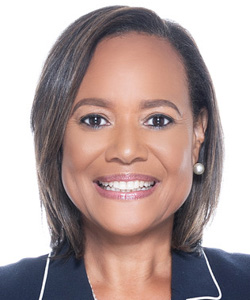
Kym Taylor
DDemocratic
P
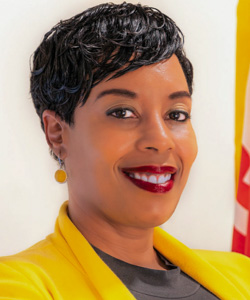
LaToya Nkongolo
RRepublican
P

Lauren Arikan
RRepublican
P

Robin Grammer
RRepublican
P

Scott Phillips
DDemocratic
P

Sean Stinnett
DDemocratic
P
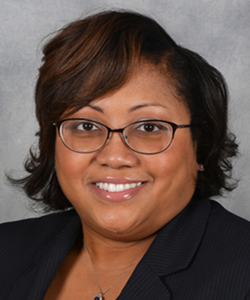
Sheree Sample-Hughes
DDemocratic
P

Stuart Schmidt
RRepublican
Ask Maddy
·
AI policy assistant
Ask Maddy about HB 293
Scope: MD
Hi! I can help you understand HB 293. What would you like to know?
Try one of these
i
Maddy answers using official bill text and legislative records. Always verify before sharing.
Sources cited inline