

Correctional Services - Geriatric and Medical Parole
HB 190 requires Maryland’s Parole Commission to explicitly consider an incarcerated person’s age when evaluating parole eligibility, alongside existing factors like crime circumstances and public safety. It revises medical parole rules to mandate independent medical evaluations for inmates with chronic debilitation, terminal illness, or conditions preventing them from posing a danger to society. The bill also adds new procedures for the Commission to assess requests, including potential in-person meetings with inmates under specific medical circumstances. This directly affects elderly or severely medically compromised incarcerated individuals who may qualify for earlier parole under revised criteria. The law amends Maryland’s Correctional Services Code to formalize these changes in parole evaluation standards.
Bill status
in committee
1 of 4 stages cleared
Introduction
Oct 2024
Committee Review
Floor Vote
Governor
Introduced Oct 30, 2024
Last action Feb 17, 2025
Floor votes
How they voted
No floor votes recorded yet.
Full legislative history
Actions timeline
Total actions
7
Key actions
0
Committee
1
Jan 8, 2025
Committee
First Reading Judiciary
lower
Oct 30, 2024
Introduced
Pre-filed
lower
4 primary · 0 co-sponsors
Sponsors
Role
Legislator
Party
State
District
P

Charlotte Crutchfield
DDemocratic
P

Lorig Charkoudian
DDemocratic
P
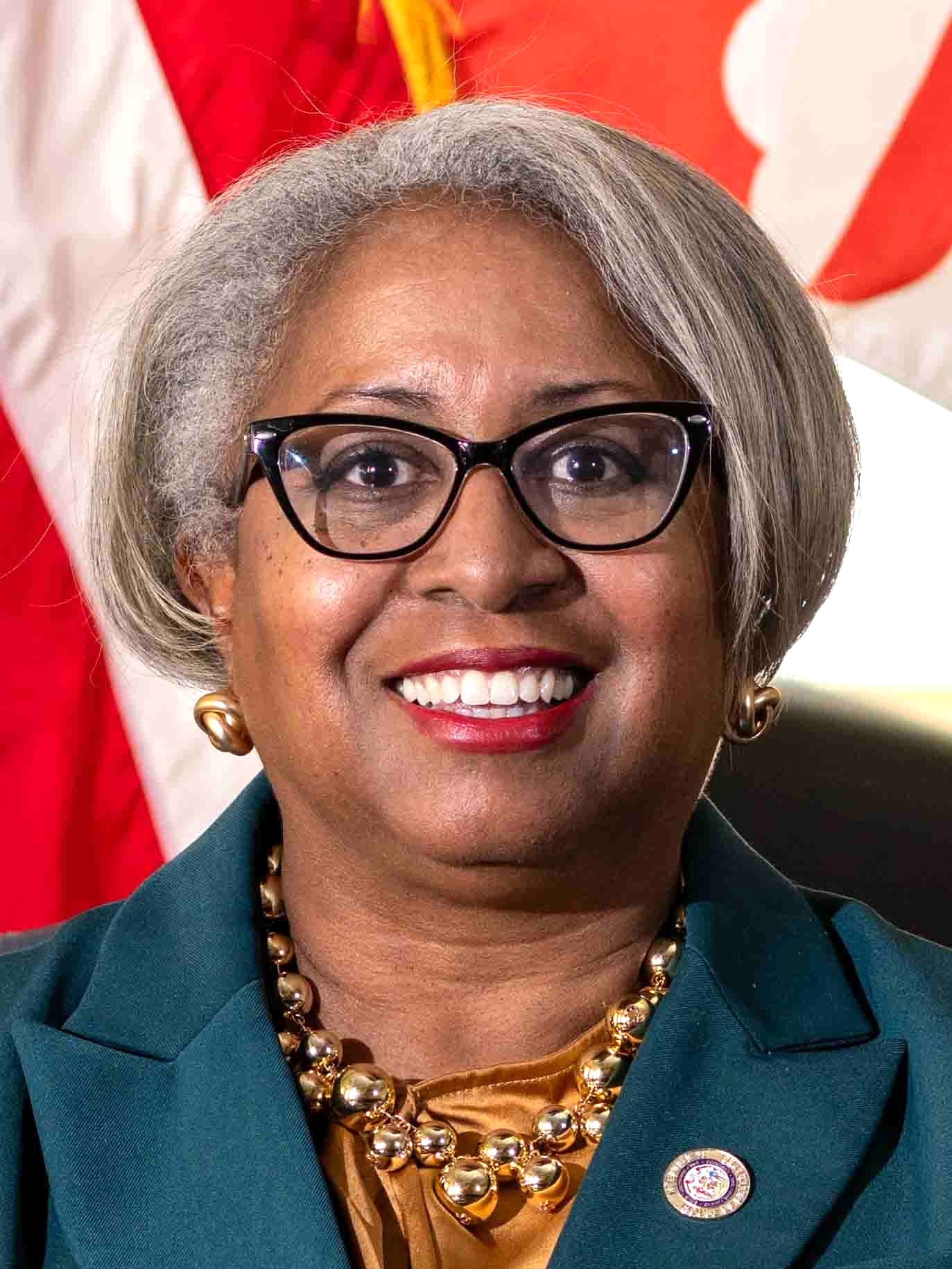
Sandy Bartlett
DDemocratic
P

Sheila Ruth
DDemocratic
Ask Maddy
·
AI policy assistant
Ask Maddy about HB 190
Scope: MD
Hi! I can help you understand HB 190. What would you like to know?
Try one of these
i
Maddy answers using official bill text and legislative records. Always verify before sharing.
Sources cited inline