

Maddy summarySB 43 establishes Louisiana's Psychedelic-Assisted Therapy Program within the Department of Health to fund clinical studies using psychedelic medications (like psilocybin) for treating opioid use disorders, co-occurring substance use disorders, and treatment-resistant mental health conditions. The program requires academic health centers to meet strict federal and state compliance standards - including FDA approval, safety protocols, and therapist qualifications - to conduct these studies. Eligible patients, including those with the specified conditions, may participate, and parishes can use opioid settlement funds to enroll residents. The bill mandates annual progress reports from participating centers and requires coordination with other states conducting similar research. This is a research-focused program, not a policy allowing general therapeutic use.
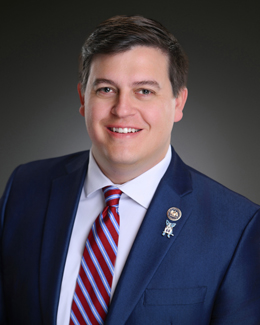
Sponsored bills
Maddy summarySB 237 requires schools in Louisiana to immediately report allegations of physical or sexual abuse against school employees to the state Department of Education. It creates a database tracking these reports and mandates schools check this database before hiring new employees to identify potential patterns of abuse. The bill also requires the Department of Children and Family Services to notify the state child ombudsman within three business days of child abuse or neglect fatalities or near-fatalities, including specific details like prior department involvement. Additionally, it directs the child ombudsman to notify legislators within 24 hours of any child death linked to abuse or neglect investigations. These provisions directly affect schools, school employees, child welfare agencies, and state legislators.
Maddy summaryHB 463 increases the maximum monthly fee that Louisiana communications districts can charge for emergency telephone service on wireless accounts from $1.25 to $2.00 per connection. This change applies to all wireless customers within these districts, allowing districts to collect up to $2.00 per month or maintain their existing rate (if higher) as of August 1, 2016. The bill amends Louisiana law to update this fee cap, which will take effect January 1, 2027. It directly affects wireless service users in Louisiana communications districts by changing the legal limit on this specific service charge.
Maddy summaryThis bill amends the text of a Senate resolution regarding the removal of judges for serious offenses like malfeasance or incompetence. The changes involve correcting a spelling error in the word "canons" and adding the preposition "of" to clarify the reference to United States laws. These adjustments do not alter the substantive policy or the process for addressing judicial misconduct but ensure the legislative document is accurate. The bill is currently in the final stages of passage after being referred to a committee and amended.
Maddy summaryHB 933 creates commemorative birth certificates for display, available for a $50 fee paid to the state. The state registrar keeps $20 for administration, and $30 goes to the Office on Women’s Health and Community Health. These certificates must include security features to prevent fraud and carry the same legal weight as certified birth records. The bill directly affects individuals seeking commemorative documents and state offices managing vital records.
Maddy summaryHB 401 designates the elevated section of U.S. Highway 190 over the Bogue Falaya River in Covington, St. Tammany Parish, as the "Corporal Justin D. McLeese Memorial Bridge" to honor a military corporal. The bill requires the Louisiana Department of Transportation to install signage reflecting this name, using local or private funds to cover costs up to $2,250 per sign. This is a ceremonial naming bill with no substantive policy changes, solely commemorating an individual through a public infrastructure designation.
Maddy summaryThis bill would remove state requirements that bread and flour sold in Louisiana must be enriched with vitamins. It directly affects bakeries, mills, and food manufacturers by eliminating the need to add specific vitamin levels to these products. The legislation repeals existing laws that mandate enrichment, labeling rules, and allow health department inspections and penalties for violations. By removing these regulations, the bill gives businesses more flexibility in how they produce and sell flour and bread without state-mandated nutritional additives.
Maddy summaryHB 210 makes the ethics provisions in Act No. 492 (2024) apply both to future cases and to past cases decided before this bill's effective date. It specifically states that these ethics rules will be applied retroactively, except for cases where the Board of Ethics or Ethics Adjudicatory Board has already issued a final decision before the bill takes effect. This bill directly affects public officials and ethics cases currently under review or pending before the Ethics Boards. The key mechanism is clarifying the retroactive application of Act No. 492's ethics code while excluding finalized cases from this change.
Maddy summaryHB 1224 amends existing child welfare statutes to include a specific legal provision, Article 606(A)(6), within the scope of care for children in need. The bill modifies several sections of the current law to ensure this new provision is consistently referenced alongside existing articles. By making these textual adjustments, the legislation updates the legal framework governing how children requiring care are handled under the state's health and welfare system.
Maddy summaryHB 1247 establishes a statewide Sexual Assault Nurse Examiner Coordinator to oversee and support forensic care for sexual assault survivors across the state. The bill directly affects healthcare providers, law enforcement agencies, and survivors by creating a centralized role to improve the consistency and quality of medical examinations and evidence collection. Key provisions include defining the coordinator's responsibilities, setting up a funding mechanism, and outlining procedures for training and certification of Sexual Assault Nurse Examiners. The legislation aims to streamline the response to sexual assaults by ensuring survivors receive standardized, trauma-informed care from qualified professionals.