

CRIME: Creates the crime of fraudulent patient referrals or "body brokering" (EN SEE FISC NOTE GF EX)
HB 676 prohibits paying or receiving money for referring patients to substance abuse, mental health, or substance use disorder treatment facilities, defining this practice as "body brokering." It bans kickbacks tied to referral volume, treatment duration, or service type, but allows fixed payments unrelated to these factors. Violators face up to 5 years in prison, $50,000 fines, license suspension, or civil penalties. The law directly affects health care providers, facilities, and entities involved in patient referrals for substance use disorder treatment.
Bill status
signed
all 5 stages cleared
Introduction
Feb 2026
Committee Review
May 2026
House Passage
Apr 2026
Senate Passage
May 2026
Signed into Law
May 2026
Introduced Feb 27, 2026
Signed May 22, 2026
Maddy AI version diff · 4 comparisons
What changed between versions
HB676 Original
→
HB676 Act 312
·
4 edits
MODERATE
HB 676 was amended to add a co-sponsor and streamline the language defining prohibited conduct by removing the phrase 'overtly or covertly' and the specific list of prohibited actions like 'assist, conspire with, urge, or market.' The bill also updated the list of exceptions to clarify that lawful agreements are exempt from the ban on kickbacks. These changes refine the statute's focus on direct financial inducements while simplifying the text for clarity.
Scope change
The bill's scope was narrowed slightly by removing broad language about 'assisting' or 'urging' others to engage in kickbacks, focusing instead on the act of soliciting, offering, paying, or receiving value. The scope of exceptions was clarified to explicitly include payments made pursuant to a 'lawful agreement.'
DEFINITION
Removed the phrase 'overtly or covertly' and the specific list of actions like 'assist, conspire with, urge, or market' from the prohibited conduct section, simplifying the definition of the crime to focus on the exchange of value for referrals.
REQUIREMENT
Updated the exceptions clause to explicitly state that the law does not apply to fees or payments made 'pursuant to a lawful agreement,' clarifying the scope of legitimate compensation.
ELIGIBILITY
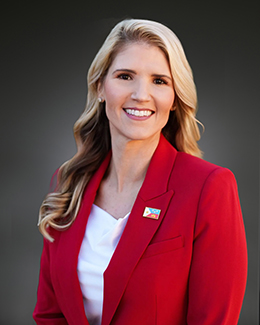
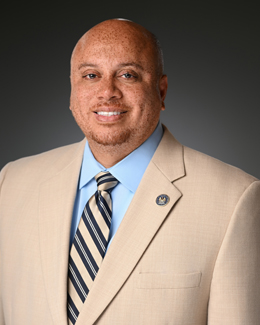
Added Representative Chassion as a co-sponsor alongside Representative Spell.
TECHNICAL
Changed the document title from 'ORIGINAL' to 'ENROLLED' and updated the page count from 4 to 3, reflecting the consolidation of the bill text.
Floor votes · Senate May 18, 2026 · House Apr 21, 2026
How they voted
36–0
Passed · 4 other
Total votes 40
May 18, 2026
D
Democratic12
83% Yea
R
Republican28
92% Yea
Vote distribution
All Yea
All Nay
Mixed
No data
Full legislative history
Actions timeline
Total actions
20
Key actions
4
Committee
5
May 18, 2026
Upper · Passed
Rules suspended. Read by title, passed by a vote of 35 yeas and 0 nays, and ordered returned to the House. Motion to reconsider tabled.
upper
May 6, 2026
Committee
Read by title and referred to the Legislative Bureau.
upper
May 5, 2026
Upper · Passed
Rules suspended. Reported favorably.
upper
Apr 21, 2026
Lower · Passed
Read third time by title, amended, roll called on final passage, yeas 94, nays 0. Finally passed, title adopted, ordered to the Senate.
lower
Apr 14, 2026
Lower · Passed
Reported with amendments (10-0).
lower
Mar 9, 2026
Committee
Read by title, under the rules, referred to the Committee on Administration of Criminal Justice.
lower
Feb 27, 2026
Committee
Under the rules, provisionally referred to the Committee on Administration of Criminal Justice.
lower
1 primary · 1 co-sponsor
Sponsors
Ask Maddy
·
AI policy assistant
Ask Maddy about HB 676
Scope: LA
Hi! I can help you understand HB 676. What would you like to know?
Try one of these
i
Maddy answers using official bill text and legislative records. Always verify before sharing.
Sources cited inline