

CRIME: Provides relative to using a vehicle to obstruct first responders (EG SEE FISC NOTE LF EX)
HB 378 makes it a crime to intentionally block first responders or law enforcement officers using a motor vehicle during their duties. Drivers who hinder first responders (e.g., during emergencies) face fines up to $1,000 or up to six months in jail, while those obstructing officers during pursuits or arrests risk fines up to $1,000 or up to two years in jail. The law explicitly excludes legitimate safety barricades used in construction, maintenance, or by government authorities performing official duties. It directly affects drivers who use vehicles to block emergency or police operations, with penalties varying based on the officer's role and circumstances.
Bill status
passed
3 of 5 stages cleared
Introduction
Feb 2026
Committee Review
May 2026
House Passage
May 2026
Senate Passage
Governor
Introduced Feb 25, 2026
Last action May 27, 2026
Maddy AI version diff · 1 comparison
What changed between versions
HB378 Original
→
HB378 Engrossed
·
3 edits
·
May 26, 2026
MINOR
This bill was amended to remove provisions that previously allowed for harsher penalties against law enforcement officers obstructed by vehicles. The change narrows the scope of the law to apply only to first responders, eliminating the specific two-year prison penalty for incidents involving police officers in pursuit or making an arrest.
Scope change
The bill's scope was narrowed to apply exclusively to first responders, removing the specific applicability to law enforcement officers.
ENFORCEMENT
Removed the provision that imposed a fine of up to $1,000 or imprisonment of up to two years for obstructing a law enforcement officer who is in pursuit or making an arrest.
SCOPE
Changed the bill's title and text to remove references to 'law enforcement' as a separate target, ensuring the law now only covers first responders defined in R.S. 40:1372.
DEFINITION
Removed the specific exception regarding safety barricades placed by governmental authorities or officers, streamlining the exemption language.
Floor votes · House May 26, 2026
How they voted
74–23
Passed · 8 other
Total votes 105
May 26, 2026
D
Democratic33
69% Nay
R
Republican72
94% Yea
Vote distribution
All Yea
All Nay
Mixed
No data
Full legislative history
Actions timeline
Total actions
10
Key actions
2
Committee
3
May 26, 2026
Lower · Passed
Read third time by title, roll called on final passage, yeas 74, nays 23. Finally passed, title adopted, ordered to the Senate.
lower
May 19, 2026
Lower · Passed
Reported with amendments (11-0).
lower
Mar 9, 2026
Committee
Read by title, under the rules, referred to the Committee on Administration of Criminal Justice.
lower
Feb 25, 2026
Committee
Under the rules, provisionally referred to the Committee on Administration of Criminal Justice.
lower
1 primary · 0 co-sponsors
Sponsors
Role
Legislator
Party
State
District
P
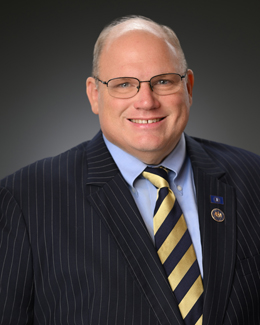
Mike Bayham
RRepublican
Ask Maddy
·
AI policy assistant
Ask Maddy about HB 378
Scope: LA
Hi! I can help you understand HB 378. What would you like to know?
Try one of these
i
Maddy answers using official bill text and legislative records. Always verify before sharing.
Sources cited inline