

CHILDREN/ABUSE: Provides relative to the minimum sentencing for child domestic abuse convictions (EN SEE FISC NOTE GF EX)
HB 275 (Louisiana) creates a "Domestic Abuse Child Endangerment Law" that increases penalties for domestic abuse battery when a child under 13 is present. The bill mandates a minimum 3-year prison sentence (up to 6 years) for offenders convicted of domestic abuse battery if a minor child 13 or younger was present at the scene. This directly affects individuals convicted of domestic abuse battery in Louisiana where children were present during the incident. The law adds this mandatory sentencing requirement to existing penalties under Louisiana law, without changing the core definition of the crime.
Bill status
signed
all 5 stages cleared
Introduction
Feb 2026
Committee Review
Apr 2026
House Passage
Apr 2026
Senate Passage
May 2026
Signed into Law
May 2026
Introduced Feb 23, 2026
Signed May 15, 2026
Maddy AI version diff · 4 comparisons
What changed between versions
HB275 Original
→
HB275 Act
·
3 edits
MINOR
This bill updates the penalties for domestic abuse battery when a young child is present, creating a specific 'Dating Partner Abuse Child Endangerment Law' to address dating violence alongside traditional domestic abuse. It increases the mandatory prison time for offenders from a maximum of three years to a range of three to six years for repeat offenses, ensuring stricter consequences when minors are endangered.
Scope change
The bill expands the scope by explicitly creating a new legal citation for 'Dating Partner Abuse' involving children, while simultaneously increasing the severity of penalties for both dating partner and domestic abuse scenarios when a child is present.
DEFINITION
Establishes a new legal citation titled 'Dating Partner Abuse Child Endangerment Law' to specifically address battery of a dating partner in the presence of a minor.
REQUIREMENT
Increases the mandatory prison sentence for domestic abuse battery involving a child from a maximum of three years to a minimum of three years and a maximum of six years for second or subsequent offenses.
Updates the sentencing structure for first-time offenses to ensure a minimum of one year in prison at hard labor, whereas the previous law allowed for less than one year.
Floor votes · Senate May 12, 2026 · House Apr 14, 2026
How they voted
35–0
Passed · 5 other
Total votes 40
May 12, 2026
D
Democratic12
75% Yea
R
Republican28
92% Yea
Vote distribution
All Yea
All Nay
Mixed
No data
Full legislative history
Actions timeline
Total actions
22
Key actions
4
Committee
5
May 12, 2026
Upper · Passed
Rules suspended. Read by title, passed by a vote of 34 yeas and 0 nays, and ordered returned to the House. Motion to reconsider tabled.
upper
Apr 29, 2026
Committee
Read by title and referred to the Legislative Bureau.
upper
Apr 28, 2026
Upper · Passed
Reported favorably.
upper
Apr 14, 2026
Lower · Passed
Read third time by title, amended, roll called on final passage, yeas 100, nays 0. Finally passed, title adopted, ordered to the Senate.
lower
Apr 8, 2026
Lower · Passed
Reported with amendments (10-0).
lower
Mar 9, 2026
Committee
Read by title, under the rules, referred to the Committee on Administration of Criminal Justice.
lower
Feb 23, 2026
Committee
Under the rules, provisionally referred to the Committee on Administration of Criminal Justice.
lower
1 primary · 3 co-sponsors
Sponsors
Role
Legislator
Party
State
District
P

Delisha Boyd
DDemocratic
Co

Mark Abraham
RRepublican
Co

Regina Barrow
DDemocratic
Co
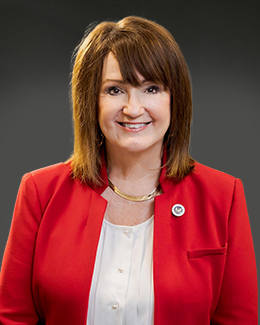
Valarie Hodges
RRepublican
Ask Maddy
·
AI policy assistant
Ask Maddy about HB 275
Scope: LA
Hi! I can help you understand HB 275. What would you like to know?
Try one of these
i
Maddy answers using official bill text and legislative records. Always verify before sharing.
Sources cited inline