

PUBLIC CONTRACTS: Establishes job order contracting as an alternative project delivery method applicable to deferred maintenance of public facilities by postsecondary education institutions for certain work types (EN NO IMPACT See Note)
HB 566 allows public postsecondary education institutions (like community colleges) to use "job order contracting" for routine deferred maintenance work on their facilities, such as plumbing, electrical, or HVAC repairs. This method streamlines the contracting process by enabling institutions to place multiple small work orders with a single contractor instead of going through traditional bidding for each project. The bill directly affects public colleges and universities managing their own facility maintenance, providing them a new administrative option for certain repair types. It does not change funding or create new costs, as noted by the "EN NO IMPACT" designation.
Bill status
signed
all 5 stages cleared
Introduction
Apr 2025
Committee Review
May 2025
House Passage
May 2025
Senate Passage
May 2025
Signed into Law
Jun 2025
Introduced Apr 4, 2025
Signed Jun 4, 2025
Maddy AI version diff · 3 comparisons
What changed between versions
HB566 Original
→
HB566 Act 88
·
3 edits
MINOR
The bill was enrolled as Act No. 88, updating the sponsor list and correcting minor formatting errors. The substantive legal text remains largely unchanged, though the final version removed a specific exclusion for 'new buildings' in the definition of a 'project' to clarify that job order contracting applies only to deferred maintenance and not new construction.
Scope change
The scope of the bill remains focused on job order contracting for deferred maintenance at postsecondary institutions, but the definition of 'project' was slightly refined to explicitly exclude new buildings or additions (except for minor code compliance work).
DEFINITION
The definition of 'post-secondary' was updated to 'postsecondary' for consistency, and the definition of 'project' was modified to explicitly exclude new buildings or building additions.
ELIGIBILITY
The list of bill sponsors was expanded to include Representatives Amedee, Boyer, Brass, Illg, Mike Johnson, and Owen.
TECHNICAL
Page numbering was adjusted from 7 pages to 5 pages, and header/footer formatting was standardized for the enrolled version.
Floor votes · Senate May 20, 2025 · House Apr 28, 2025
How they voted
36–0
Passed · 1 other
Total votes 37
May 20, 2025
D
Democratic11
100% Yea
R
Republican26
96% Yea
Vote distribution
All Yea
All Nay
Mixed
No data
Full legislative history
Actions timeline
Total actions
21
Key actions
5
Committee
5
May 27, 2025
Lower · Passed
Read by title, roll called, yeas 96, nays 0, Senate amendments concurred in.
lower
May 20, 2025
Upper · Passed
The amended bill was read by title, passed by a vote of 38 yeas and 0 nays, and ordered returned to the House. Motion to reconsider tabled.
upper
May 12, 2025
Committee
Committee amendments read and adopted. Read by title and referred to the Legislative Bureau.
upper
May 8, 2025
Upper · Passed
Reported with amendments.
upper
Apr 28, 2025
Lower · Passed
Read third time by title, roll called on final passage, yeas 91, nays 0. Finally passed, title adopted, ordered to the Senate.
lower
Apr 16, 2025
Lower · Passed
Reported with amendments (10-0).
lower
Apr 14, 2025
Committee
Read by title, under the rules, referred to the Committee on Education.
lower
Apr 4, 2025
Committee
Under the rules, provisionally referred to the Committee on Education.
lower
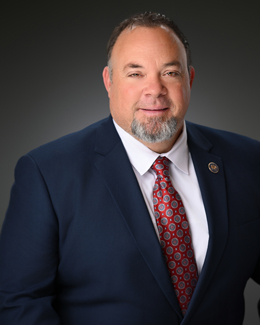
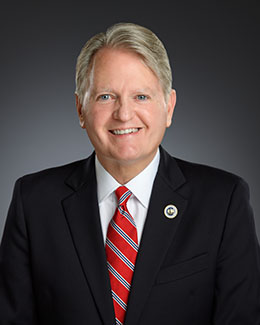
1 primary · 6 co-sponsors
Sponsors




Ask Maddy
·
AI policy assistant
Ask Maddy about HB 566
Scope: LA
Hi! I can help you understand HB 566. What would you like to know?
Try one of these
i
Maddy answers using official bill text and legislative records. Always verify before sharing.
Sources cited inline