

TAX CREDITS: Establishes the Work-Based Learning Tax Credit for employment of apprentices, interns, and youth workers (EN -$1,136,500 GF RV See Note)
HB 533 establishes a tax credit for businesses that hire apprentices, interns, or youth workers, directly benefiting employers in these sectors. The bill sets an annual credit cap starting at $1 million for 2026, increasing by $1 million each year (up to $7.5 million total) if 80% of the prior year’s cap is used. Businesses must apply by February 28 each year for credits earned the previous year, with approvals based on a first-come, first-served system that may involve proportional allocation if demand exceeds available funds. The credit is expected to cost approximately $1.1 million in state funds annually.
Bill status
signed
all 5 stages cleared
Introduction
Apr 2025
Committee Review
Jun 2025
House Passage
Jun 2025
Senate Passage
Jun 2025
Signed into Law
Jun 2025
Introduced Apr 4, 2025
Signed Jun 20, 2025
Maddy AI version diff · 4 comparisons
What changed between versions
HB533 Original
→
HB533 Act
·
3 edits
MINOR
The bill was finalized into an enrolled act, updating the sponsor list to include additional representatives and renumbering the sections. The core policy content regarding the Work-Based Learning Tax Credit remains substantively unchanged, with only minor formatting adjustments and a reordering of eligibility criteria for youth workers.
Scope change
The bill's scope and applicability remain unchanged; the text describes the same tax credit for employing apprentices, interns, and youth workers.
TECHNICAL
Updated the bill header to reflect 'ENROLLED' status and Act No. 376, and expanded the list of sponsoring representatives.
Reordered the eligibility criteria for 'youth workers' to add a new category for children of incarcerated parents and those in public housing, while removing the veteran category from that specific list.
Removed the original 'HLS 25RS-740' reference and replaced it with the final enrolled act formatting.
Floor votes · Senate Jun 9, 2025 · House May 21, 2025
How they voted
35–0
Passed · 2 other
Total votes 37
Jun 9, 2025
D
Democratic11
90% Yea
R
Republican26
96% Yea
Vote distribution
All Yea
All Nay
Mixed
No data
Full legislative history
Actions timeline
Total actions
26
Key actions
8
Committee
10
Jun 10, 2025
Lower · Passed
Read by title, roll called, yeas 95, nays 0, Senate amendments concurred in.
lower
Jun 9, 2025
Upper · Passed
Rules suspended. The amended bill was read by title, passed by a vote of 37 yeas and 0 nays, and ordered returned to the House. Motion to reconsider tabled.
upper
Jun 8, 2025
Committee
Read by title and referred to the Legislative Bureau.
upper
Jun 8, 2025
Upper · Passed
Rules suspended. Recalled from Committee.
upper
Jun 3, 2025
Committee
Read by title. Recommitted to the Committee on Finance.
upper
Jun 3, 2025
Upper · Passed
Senate Committee amendments read and adopted.
upper
Jun 2, 2025
Upper · Passed
Reported with amendments.
upper
May 21, 2025
Lower · Passed
Read third time by title, roll called on final passage, yeas 91, nays 4. Finally passed, title adopted, ordered to the Senate.
lower
May 19, 2025
Lower · Passed
Reported with amendments (21-0).
lower
May 6, 2025
Committee
Read by title, amended, ordered engrossed, recommitted to the Committee on Appropriations.
lower
May 5, 2025
Lower · Passed
Reported with amendments (14-0).
lower
Apr 14, 2025
Committee
Read by title, under the rules, referred to the Committee on Ways and Means.
lower
Apr 4, 2025
Committee
Under the rules, provisionally referred to the Committee on Ways and Means.
lower
1 primary · 19 co-sponsors
Sponsors
Role
Legislator
Party
State
District
P

Kim Carver
RRepublican
Co

Adrian Fisher
DDemocratic
Co

Annie Spell
RRepublican
Co

Brian Glorioso
RRepublican
Co

Ed Larvadain
DDemocratic
Co

Francis Thompson
RRepublican
Co

Jacob Landry
RRepublican
Co

Jessica Domangue
RRepublican
Co
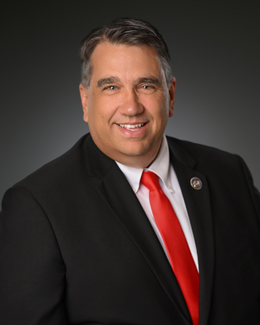
John Wyble
RRepublican
Co

Mike Bayham
RRepublican
Co

Mike Johnson
RRepublican









Ask Maddy
·
AI policy assistant
Ask Maddy about HB 533
Scope: LA
Hi! I can help you understand HB 533. What would you like to know?
Try one of these
i
Maddy answers using official bill text and legislative records. Always verify before sharing.
Sources cited inline