

CRIMINAL/HABIT OFFENDERS: Provides relative to the Habitual Offender Law (EN NO IMPACT See Note)
HB 146 modifies Louisiana's habitual offender law by adjusting the time periods required for prior convictions to count toward enhanced sentencing. For most offenses, a prior conviction no longer counts if more than five years passed between the end of the previous sentence (including jail, probation, or parole) and the new offense. For violent crimes or sex offenses, the time window extends to ten years. This change applies directly to individuals facing habitual offender charges under Louisiana law, excluding time spent incarcerated or on probation from the calculation of these time periods.
Bill status
signed
all 5 stages cleared
Introduction
Mar 2025
Committee Review
May 2025
House Passage
May 2025
Senate Passage
Jun 2025
Signed into Law
Jun 2025
Introduced Mar 31, 2025
Signed Jun 11, 2025
Maddy AI version diff · 3 comparisons
What changed between versions
HB146 Original
→
HB146 Act 246
·
3 edits
MINOR
This bill updates the Louisiana Habitual Offender Law by changing the time threshold for counting prior convictions from five years to ten years for most offenses. It also introduces stricter rules for violent crimes and sex offenses, which still use a five-year window but now include specific conditions about supervision status. The changes aim to reduce the number of people classified as habitual offenders for non-violent crimes while maintaining stricter penalties for serious violent or sexual offenses.
Scope change
The bill expands the time window for counting prior convictions for general felonies from five years to ten years, but narrows the scope for violent and sex offenses by adding specific supervision requirements.
TIMELINE
Increased the time limit for counting prior convictions from five years to ten years for most felonies, meaning fewer people will be classified as habitual offenders for crimes committed more than five but less than ten years apart.
ELIGIBILITY
Added specific conditions for violent and sex offenses where the ten-year rule does not apply if the offender was not placed on supervision after their previous sentence ended.
REQUIREMENT
Clarified that time spent in prison, on probation, or on parole should not be counted toward the time intervals between offenses.
Floor votes · Senate Jun 8, 2025 · House May 6, 2025
How they voted
35–0
Passed · 2 other
Total votes 37
Jun 8, 2025
D
Democratic11
81% Yea
R
Republican26
100% Yea
Vote distribution
All Yea
All Nay
Mixed
No data
Full legislative history
Actions timeline
Total actions
23
Key actions
4
Committee
5
Jun 8, 2025
Upper · Passed
Read by title, passed by a vote of 37 yeas and 0 nays, and ordered returned to the House. Motion to reconsider tabled.
upper
May 21, 2025
Committee
Read by title and referred to the Legislative Bureau.
upper
May 20, 2025
Upper · Passed
Reported favorably.
upper
May 6, 2025
Lower · Passed
Read third time by title, roll called on final passage, yeas 95, nays 0. Finally passed, title adopted, ordered to the Senate.
lower
Apr 29, 2025
Lower · Passed
Reported favorably (10-0).
lower
Apr 14, 2025
Committee
Read by title, under the rules, referred to the Committee on Administration of Criminal Justice.
lower
Mar 31, 2025
Committee
Under the rules, provisionally referred to the Committee on Administration of Criminal Justice.
lower
1 primary · 0 co-sponsors
Sponsors
Role
Legislator
Party
State
District
P
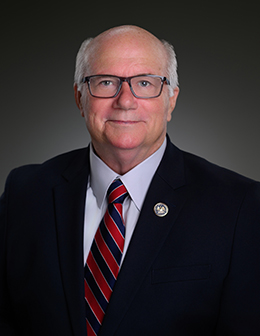
Jeff Wiley
RRepublican
Ask Maddy
·
AI policy assistant
Ask Maddy about HB 146
Scope: LA
Hi! I can help you understand HB 146. What would you like to know?
Try one of these
i
Maddy answers using official bill text and legislative records. Always verify before sharing.
Sources cited inline