Maddy summaryHR 6500, the AGOA Extension Act, extends the expiration date of the African Growth and Opportunity Act (AGOA) from September 30, 2025, to December 31, 2028. This directly affects U.S. importers of goods from eligible sub-Saharan African countries, allowing them to continue receiving duty-free treatment under AGOA for eligible products. The bill includes a retroactive provision, enabling importers to seek refunds for goods entered after September 30, 2025, but before the bill’s enactment, as if those entries occurred on the enactment date. It also adjusts deadlines for related customs user fees to December 31, 2031, but the core change centers on extending AGOA benefits and enabling retroactive duty refunds.

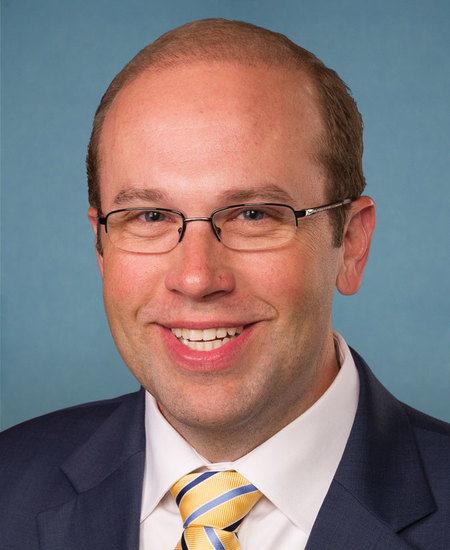
Rep. Jason Smith
Sponsored bills
Maddy summaryThis bill updates the official address for the Specialist Jeffrey L. White, Jr. Post Office. It amends a previous public law to change the street number for the facility from 324 to 211 in all official records.
Maddy summaryThis bill requires hospitals, laboratories, imaging centers, and ambulatory surgical centers to publicly post detailed price lists for their services, including standard charges, negotiated rates, and discounted cash prices, starting in 2027. It also mandates that private health insurance plans provide consumers with cost-sharing estimates and publish quarterly data on payment rates to doctors and pharmacies beginning in 2029. Additionally, the legislation requires Medicare Advantage and prescription drug plan sponsors to report ownership details for providers and pharmacies they control, while establishing civil penalties for entities that fail to comply with these transparency rules.
Maddy summaryHR 7651, the Chloe Cole Act of 2026, prohibits healthcare providers from performing certain medical interventions on minors under 18 aimed at altering physical development to align with gender identity. These "covered interventions" include puberty blockers, hormone treatments, and specific surgeries, but exclude medically necessary care for conditions like disorders of sexual development or traumatic injuries. The bill creates a federal civil lawsuit right for affected minors or their parents against providers who perform such interventions, allowing claims for damages including emotional distress and punitive awards, with strict liability for providers after the law's enactment. It explicitly allows exceptions for legitimate medical treatments and requires providers to prove such exceptions apply if challenged.
Maddy summaryThis bill redesignates the existing National Parks and Public Land Legacy Restoration Fund as the America's Legacy Restoration Fund to address deferred maintenance on federal lands. It directs revenue from recreation fees and a portion of energy development income into the fund, which must be used primarily for repairing critical infrastructure like roads, trails, and buildings managed by agencies such as the National Park Service and the Forest Service. The legislation establishes strict rules requiring that most funds go toward non-transportation projects, mandates transparency through public dashboards tracking project status, and sets aside a small percentage for matching private donations. Additionally, the bill increases entrance fees for foreign visitors to ensure they contribute to the fund, while prohibiting the use of these specific funds for land acquisition or employee bonuses.
Repealing Big Brother Overreach Act This bill repeals the Corporate Transparency Act. The act requires existing companies and newly created companies to report beneficial ownership information to the Department of the Treasury’s Financial Crimes Enforcement Network for purposes of addressing the financing of terrorism and money laundering.
Maddy summaryThis bill, known as the Stopping Harmful and Outrageous Torts Act, expands legal protections for firearm manufacturers and sellers by strengthening their immunity from civil lawsuits. It requires courts to immediately dismiss any pending cases against these companies that are based on the criminal or unlawful misuse of a gun by a third party, while also clarifying that sellers are not liable for negligence in entrusting products to others. The legislation further restricts who can file such suits by prohibiting foreign governments from bringing these claims and adding a specific exception for victims under the age of 17, though it maintains immunity for cases involving design or manufacturing defects. Additionally, the bill allows companies to move these cases to federal court and grants them the right to appeal dismissal orders immediately, along with the ability to recover legal fees if they win. Finally, it preempts state and local laws that attempt to impose liability on these entities for the same types of misuse-related harms.
Maddy summaryThis bill, titled the Enhanced Alerts for Missing Loved Ones with Disabilities Act of 2026, aims to improve how law enforcement and other agencies respond to missing adults and children with specific disabilities. It directly affects individuals diagnosed with developmental disabilities, Alzheimer's disease, dementia, or other mental and physical conditions, as well as the organizations tasked with locating them. The legislation updates existing federal laws to require that missing person alerts explicitly include information about these diagnoses and mandates new training programs for responders on how to handle cases involving these vulnerable populations. By making these changes to current statutes, the bill ensures that search efforts are better tailored to the unique needs of people with cognitive or developmental impairments.
Maddy summaryThis bill authorizes the U.S. Mint to produce commemorative $5 gold and $1 silver coins marking the 25th anniversary of the September 11, 2001, terrorist attacks. The coins must feature designs honoring victims and first responders (including the inscription "Never Forget") and will be sold only during 2027-2028. All surcharges ($35 per gold coin, $10 per silver coin) collected from sales will fund the National September 11 Memorial and Museum at the World Trade Center, with no net cost to the federal government. The coins are legal tender but primarily intended for collectors, not circulation.
Maddy summaryThe Smithsonian American Women’s History Museum Act authorizes the creation of a new Smithsonian museum dedicated to women’s history, to be located within the National Mall Reserve in Washington, D.C. If the site is managed by another federal agency, the bill requires that agency to transfer the land after notifying Congress and relevant committees. The museum must ensure exhibits and programs accurately represent diverse women’s experiences by consulting a broad range of experts and community voices. The Smithsonian will submit biennial reports to Congress detailing how the museum meets these representation standards.