

Amends, repeals, or adds certain terms. Makes certain changes concerning the purpose, structure, and powers of the department of environmental management (department) or the environmental rules board. Prohibits the department from basing a decision solely on federal risk values that have not been promulgated through federal rulemaking. Instructs the department to avoid the use of federal risk values that are at or below background concentrations in air, water, soil, or sediment. Makes certain changes to various boards or funds. Eliminates or amends rulemaking provisions. Makes certain changes to hearing and permitting processes. Changes or eliminates certain reporting requirements. Makes various changes to the water pollution statutes. Makes various changes to the solid waste and hazardous waste management statutes. Repeals or amends various sections regarding: (1) hazardous substances; (2) the voluntary remediation programs; (3) regional water districts; and (4) citizen lawsuits. Amends provisions concerning the establishment of certain fees and the use of fee schedules. Repeals the division of pollution prevention and the office of voluntary compliance. Makes conforming, stylistic, and technical changes.
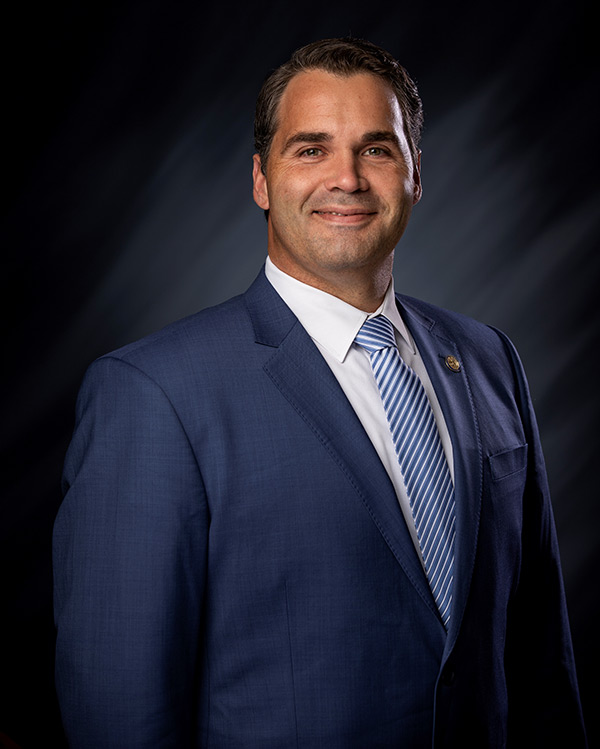
Rep. Beau Baird
Sponsored bills
Maddy summaryHB 1192 updates Indiana's seed law by incorporating existing administrative rules into the statute, repealing outdated rules, and making technical adjustments. It directly affects seed producers, distributors, and regulators by clarifying regulatory requirements without introducing new policy. The bill focuses solely on administrative updates to streamline compliance, with no new financial or operational obligations for affected parties. This is a procedural refinement of current law, not a substantive policy change.
Codifies commercial fertilizer administrative rules. Defines or amends certain terms. Codifies certain requirements and processes for commercial fertilizer with respect to: (1) label format; (2) registration; (3) sampling and analysis; (4) primary containment of fluid bulk fertilizer at storage facilities; (5) operational area containment for fluid fertilizers; (6) diked secondary containment of fluid bulk fertilizers; (7) storage and handling of dry bulk fertilizers; and (8) storage facility location registry.
Establishes a statewide regulatory scheme for grease control equipment. Provides that a waste water treatment plant must continue to accept septage under certain circumstances. Creates a process for septage haulers to resolve disputes with wastewater treatment plants with respect to accepting septage.
Removes partial liability for damages when a person removes a domestic animal from a motor vehicle. Increases certain penalties for offenses involving animals, and establishes a defense for an uninvolved person attacked by a law enforcement animal. Sets forth new definitions and amends various definitions for offenses relating to animals. Specifies that animal cruelty statutes apply to a rodent that is not a nuisance rodent. Makes certain acts an aggravating circumstance for purposes of sentencing.
Creates a preapplication process for the approval of confined feeding operations. Provides that the department of environmental management (department) must refund a confined feeding operation application fee under certain circumstances. Provides that certain confined feeding operations do not need to use certain equipment for solid manure produced by livestock. Prohibits the department from requiring an existing confined feeding operation permit holder, who is applying to expand an operation, to update a previously approved facility or structure. Establishes certain requirements for earthen berms at manure storage facilities. Requires the department to: (1) designate an employee as the point of contact for information on confined feeding operation applications; and (2) distribute the contact information of the designated employee to all operating confined feeding operations.
Maddy summarySB 27, titled "Vehicle Bill" (though the bill's actual content relates to stadiums, not vehicles), establishes the Northwest Indiana Stadium Authority. This authority is created to acquire, build, and finance stadiums and related facilities in northwest Indiana. The bill outlines the authority's specific powers, including funding mechanisms and operational duties for managing these projects. The bill directly affects northwest Indiana communities by creating a dedicated entity to handle stadium development and financing.
Maddy summaryHR 51 is a commemorative resolution honoring Officer Brian Elliott, authored by Representative McGuire and coauthored by numerous representatives. It formally recognizes Officer Elliott's service and contributions, though it does not create any new laws or alter existing policies. As a procedural resolution, it has no direct policy impact or effect on specific groups beyond the ceremonial acknowledgment of the officer. The bill was adopted during its first reading on February 25, 2026.
Makes various amendments to the role of supervisors on soil and conservation boards. Removes a requirement that an individual who conducted an inspection of a landfill in a soil and conservation district (district) submit a copy of the report to the division of soil conservation. Provides that a district that fails to provide a copy of each annual financial statement of the district to the soil conservation board by March 31 shall have its funding withheld until the requirements are satisfied. Repeals the Indiana land resource council.
Creates the pork market development program (pork program) and the soybean market development program (soybean program). Specifies that the pork program and soybean program apply only if assessments are not levied and collected under federal law. Requires the Indiana Pork Producers Association, Inc., to administer the pork program and the Indiana Soybean Alliance to administer the soybean program. Establishes various procedures and requirements for operating the pork program and the soybean program. Makes technical corrections.~