

Utility service enhancement improvement costs.
Summary
Amends the statute that authorizes a conservancy district providing water service to withdraw from the jurisdiction of the Indiana utility regulatory commission (IURC) if the conservancy district serves less than 2,000 customers, so as to authorize a withdrawal from the IURC's jurisdiction if the conservancy district serves less than 3,000 customers. Amends the existing statute authorizing alternative regulatory procedures for water or sewer utilities with customer bases not exceeding specified numbers to include within the scope of the statute a procedure that promotes economic development opportunities in rural areas while providing just and reasonable protections to a utility's existing ratepayers. Prohibits a water or wastewater utility (utility) from charging or collecting a capacity related fee or a tap fee to an eligible customer for connecting workforce housing to the utility's water or wastewater system (system) under certain circumstances. Provides that if the utility determines that the extension of service to the workforce housing will not result in a positive contribution to the utility's overall cost of service over a 20 year period, the utility may charge and collect from the eligible customer a capacity related fee or a tap fee that does not exceed the difference between: (1) the otherwise applicable capacity related fee or tap fee; minus (2) the contribution to the utility's overall cost of service over a 20 year period that will result from the extension of service to the workforce housing. Provides that for purposes of these provisions, an "eligible customer" means a not-for-profit organization that: (1) has entered into an agreement with the Indiana housing and community development authority under which the person will construct workforce housing in Indiana; and (2) seeks to connect the workforce housing to the system of a utility under the terms of a special contract with the utility. Authorizes a water or wastewater utility that is eligible under existing law to recover costs for service enhancement improvements (eligible utility) to adjust the statutory adjustment tracker to reflect certain per unit chemical and power costs if those costs have increased or decreased by more than 3% over the two most recent years. Provides that if the costs: (1) have increased by more than 3% over the two year period, the amount of the adjustment shall be included in the adjustment rider as an expense; or (2) have decreased by more than 3% over the two year period, the amount of the adjustment shall be included in the adjustment rider as a credit. Provides that an eligible utility is not required to seek preapproval of a plan from the IURC in order to seek recovery of the costs of chemicals and power. Requires an eligible utility for which the IURC has issued an order approving an adjustment rider for the recovery of chemical or power costs to file a petition for a change in its adjustment amount: (1) not later than 30 days after the end of each 12 month period after the date of the IURC's order approving the adjustment rider; and (2) until the IURC issues an order in the eligible utility's next general rate case. Specifies that the costs of chemicals and power may be recovered in full and without deferring 20% of the costs for recovery as part of the eligible utility's next general rate case.
Bill status
signed
all 5 stages cleared
Introduction
Jan 2026
Committee Review
Feb 2026
Senate Passage
Feb 2026
House Passage
Feb 2026
Signed into Law
Mar 2026
Introduced Jan 8, 2026
Signed Mar 5, 2026
Maddy AI version diff · 3 comparisons
What changed between versions
Senate Bill (H)
→
Senate Bill (S)
·
3 edits
MINOR
This bill was updated to reflect its progression through the legislative process, changing the bill number from SB 241 to ES 241 (Engrossed) and moving the date from January 16 to February 3, 2026. The most significant policy addition is a new provision prohibiting water and wastewater utilities from charging connection fees to non-profit organizations building workforce housing, unless the extension of service would cost the utility more than it would generate in revenue over 20 years.
Scope change
The bill's scope was expanded to include a new incentive for workforce housing development by exempting eligible non-profit organizations from standard utility connection fees under specific cost-recovery conditions.
ELIGIBILITY
Added a new exemption preventing utilities from charging capacity or tap fees to non-profit organizations constructing workforce housing, provided the service extension does not result in a net cost to the utility over a 20-year period.
TIMELINE
Updated the bill status from a draft version (SB) to an engrossed version (ES) and changed the effective date to 'Upon passage' while retaining the July 1, 2026 implementation date.
REQUIREMENT
Added House sponsors (Soliday, Hall, Pressel) and recorded additional legislative actions, including the bill's passage by the Senate and subsequent approval by the House.
Floor votes · Senate Jan 22, 2026 · House Feb 9, 2026
How they voted
41–2
Passed · 5 other
Total votes 48
Jan 22, 2026
D
Democratic9
88% Yea
R
Republican39
84% Yea
Vote distribution
All Yea
All Nay
Mixed
No data
Full legislative history
Actions timeline
Total actions
23
Key actions
9
Committee
2
Mar 5, 2026
Signed into law
Signed by the Governor
executive
Feb 27, 2026
Lower · Passed
Signed by the Speaker
lower
Feb 27, 2026
Upper · Passed
Signed by the President of the Senate
upper
Feb 27, 2026
Upper · Passed
Signed by the President Pro Tempore
upper
Feb 25, 2026
Upper · Passed
Senate concurred with House amendments; Roll Call 284: yeas 44, nays 3
upper
Feb 9, 2026
Lower · Passed
Third reading: passed; Roll Call 210: yeas 91, nays 3
lower
Feb 3, 2026
Lower · Passed
Committee report: amend do pass, adopted
lower
Jan 22, 2026
Upper · Passed
Third reading: passed; Roll Call 59: yeas 42, nays 2
upper
Jan 15, 2026
Upper · Passed
Committee report: amend do pass, adopted
upper
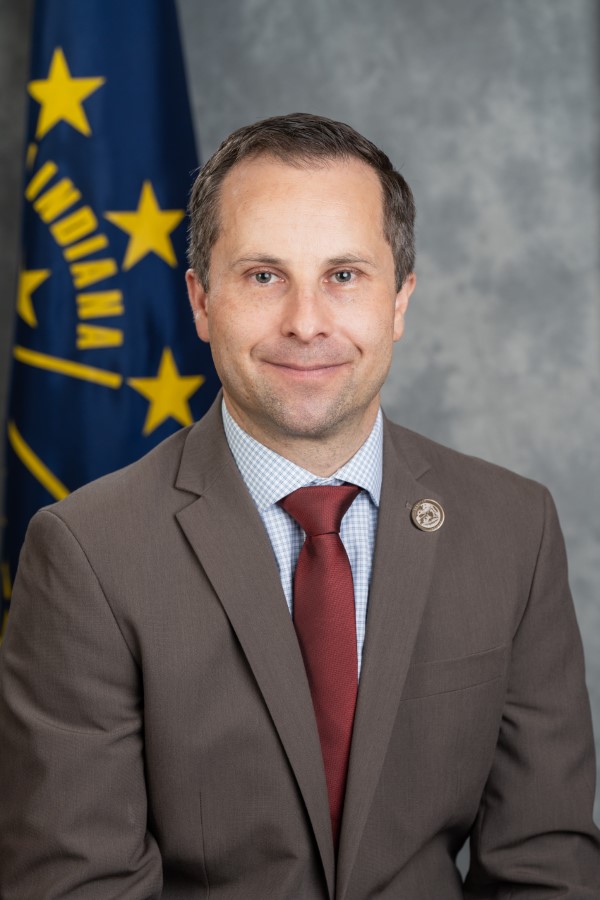
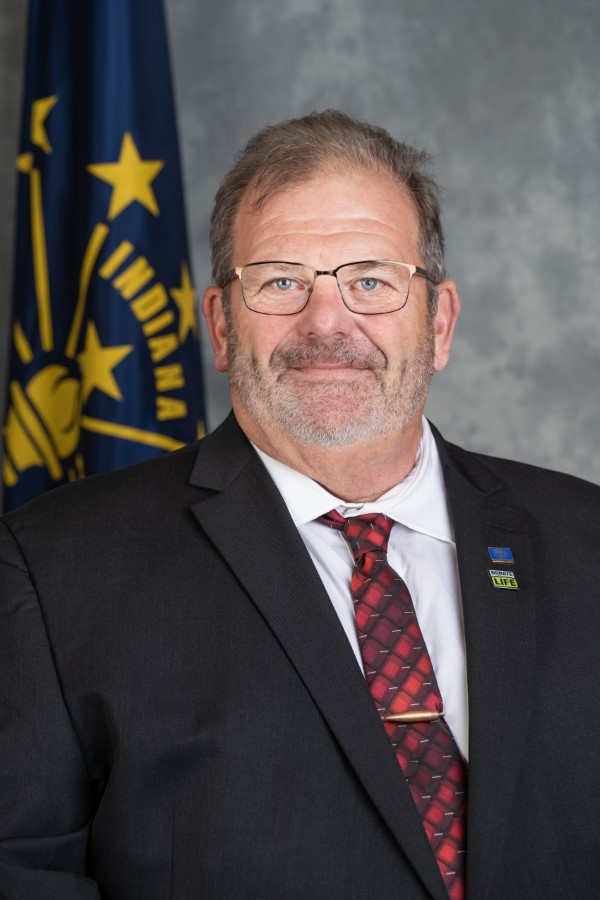
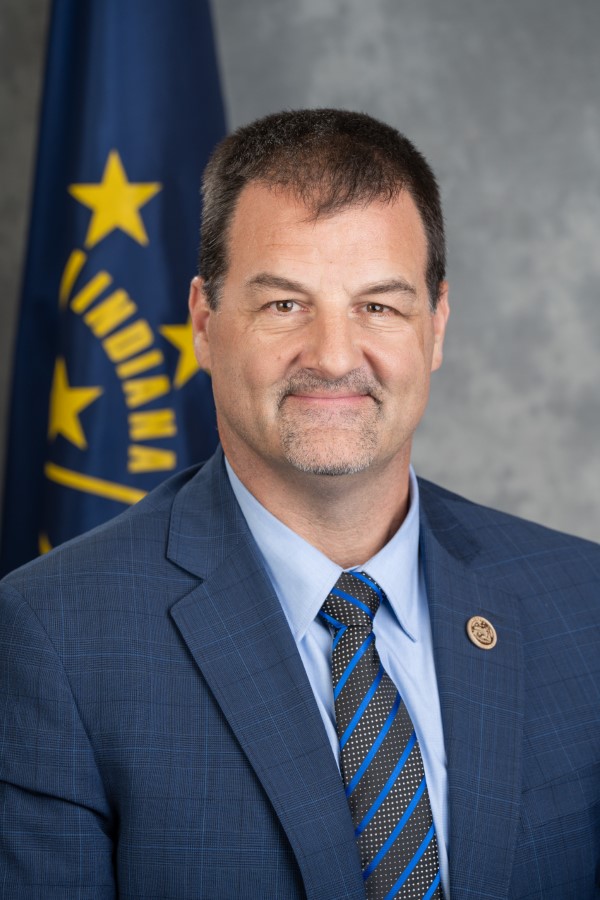
4 primary · 4 co-sponsors
Sponsors





Ask Maddy
·
AI policy assistant
Ask Maddy about SB 241
Scope: IN
Hi! I can help you understand SB 241. What would you like to know?
Try one of these
i
Maddy answers using official bill text and legislative records. Always verify before sharing.
Sources cited inline