

Wastewater infrastructure.
Summary
Provides that the Indiana finance authority (authority) shall serve as the executive branch coordinator for funds allocated or made available to the state or local communities from federal, state, and other sources for purposes related to drinking water, wastewater, or storm water infrastructure and systems. Sets forth the duties of the authority with respect to this role. Specifies that the authority shall coordinate the executive branch activities related to the state's drinking water and wastewater programs. (Current law provides that the authority shall serve such a role with respect to the state's water programs.) Authorizes the establishment of a drinking water and wastewater infrastructure research and extension program (program) to provide data collection and information, training, and technical assistance concerning: (1) drinking water infrastructure; (2) wastewater infrastructure; and (3) storm water infrastructure; in Indiana. Provides that the authority may: (1) contract with a state supported college or university in Indiana to provide the program; and (2) financially support the program from existing funds appropriated to the authority. Provides that the program may be housed within, or share staff with, the existing research and highway extension program at Purdue University. Provides that the program may provide the following services and programs to, or for the benefit of, utilities providing drinking water, wastewater, or storm water service in Indiana: (1) Assisting utilities in the development of asset management programs. (2) Serving as a central repository for data concerning infrastructure used to provide drinking water, wastewater, or storm water service in Indiana. (3) Providing training and technical assistance to utilities and Indiana's drinking water, wastewater, and storm water utility industry workforces. Requires the authority to make, not later than July 1, 2023, all: (1) utility asset management programs; and (2) information concerning utility asset lifecycle management costs; submitted to or reviewed by the authority available on an Internet web site maintained by the authority or the program. Requires that in carrying out all information gathering and reporting duties under the bill's provisions, the authority and the program shall use any data the authority or the program acquires in a manner that: (1) protects the confidential information of individual utilities and customers; and (2) is consistent with applicable statutory exclusions from disclosure under the state's public records act. Provides that as a condition for receiving a loan, grant, or other financial assistance after June 30, 2023, through the wastewater revolving loan program, the drinking water revolving loan program, the water infrastructure assistance program, or the water infrastructure grant program, a participant must do the following: (1) Submit the participant's required asset management program to the authority not later than the time of submission of the participant's preliminary engineering report for any project for which the loan, grant, or other financial assistance will be provided. (Current law does not specify when the asset management program must be submitted.) (2) Submit to the authority information on the estimated and actual life cycle management costs over the useful life of the asset financed. (3) In the case of a participant that is not under the jurisdiction of the Indiana utility regulatory commission (IURC), regularly report to all: (A) customers; (B) counties; and (C) municipalities; within the participant's service territory information concerning the participant's asset management program. Provides that money in the: (1) supplemental drinking water and wastewater assistance fund; (2) water infrastructure assistance fund; and (3) water infrastructure grant fund; may be used to provide grants, loans, or other financial assistance for the planning, designing, acquisition, construction, renovation, improvement, or expansion of septic relief systems, in accordance with guidelines of the authority. Provides that the authority's project prioritization system for awarding assistance from the water infrastructure assistance fund and the water infrastructure grant fund must include as a variable the effect of a project on the environment. Provides for the following with respect to a wastewater utility that is not subject to the jurisdiction of the IURC for the approval of rates and charges and that has been issued one or more enforcement orders (orders) relating to environmental or health and human safety issues by the department of environmental management (department) after June 30, 2022: (1) For the first order, the utility is subject to an informal review of its: (A) rates and charges; and (B) asset management program; by the IURC, in accordance with procedures determined by the IURC. (2) For a second order that is issued within two years of the first order, the utility is subject to rate regulation, following two base rate cases, by the IURC for a minimum period of: (A) five years from the IURC's order in the first base rate case; and (B) one year from the IURC's order in the second base rate case. (3) For any order issued during the required rate regulation period, the IURC may, in consultation with the department, initiate a receivership proceeding with respect to the utility. Requires the state board of education (state board) to approve, for purposes of the state's career and technical education graduation pathway, a utility career cluster that allows students to acquire knowledge and skills related to employment in the electric, natural gas, communications, water, and wastewater utility industries. Requires the governor's workforce cabinet, in consultation with the state board, the department of education, and the department of workforce development, to create course sequences for the utility career cluster.
Bill status
signed
all 5 stages cleared
Introduction
Feb 2022
Committee Review
Feb 2022
Senate Passage
Jan 2022
House Passage
Feb 2022
Signed into Law
Mar 2022
Introduced Feb 23, 2022
Signed Mar 7, 2022
Floor votes · House Feb 21, 2022
How they voted
This bill passed the Senate by voice vote (no roll call recorded).
Full legislative history
Actions timeline
Total actions
30
Key actions
5
Committee
3
Amendments
3
Mar 7, 2022
Signed into law
Signed by the Governor
executive
Feb 24, 2022
Amended
Senate concurred in House amendments; Roll Call 267: yeas 47, nays 0
upper
Feb 23, 2022
Introduced
Motion to concur filed
upper
Feb 22, 2022
Amended
Returned to the Senate with amendments
lower
Feb 21, 2022
Lower · Passed
Third reading: passed; Roll Call 208: yeas 95, nays 0
lower
Feb 15, 2022
Lower · Passed
Committee report: amend do pass, adopted
lower
Jan 26, 2022
Committee
Referred to the House
upper
Jan 25, 2022
Upper · Passed
Third reading: passed; Roll Call 75: yeas 46, nays 0
upper
Jan 24, 2022
Amended
Amendment #3 (Koch) prevailed; voice vote
upper
Jan 18, 2022
Upper · Passed
Committee report: amend do pass, adopted
upper
4 primary · 15 co-sponsors
Sponsors
Role
Legislator
Party
State
District
P
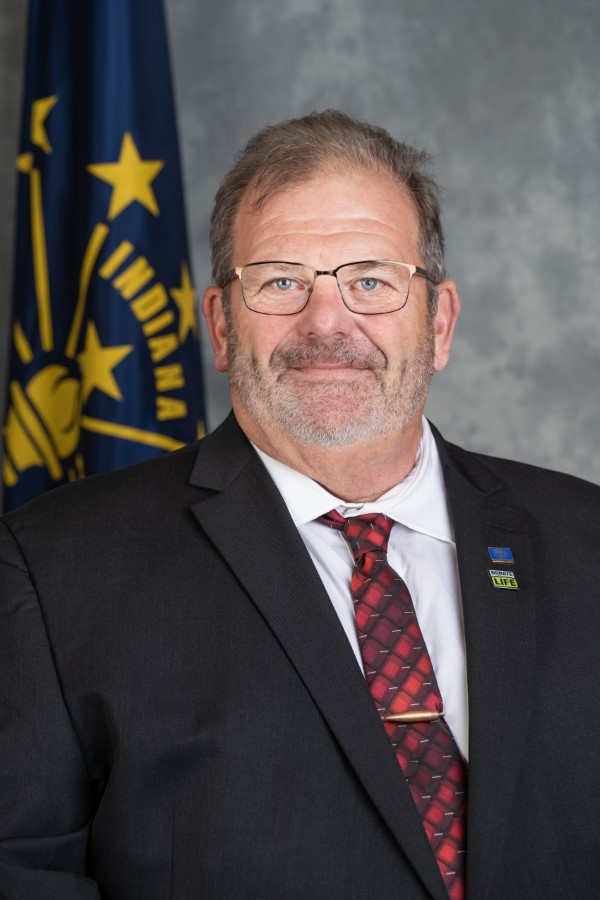
Blake Doriot
RRepublican
P
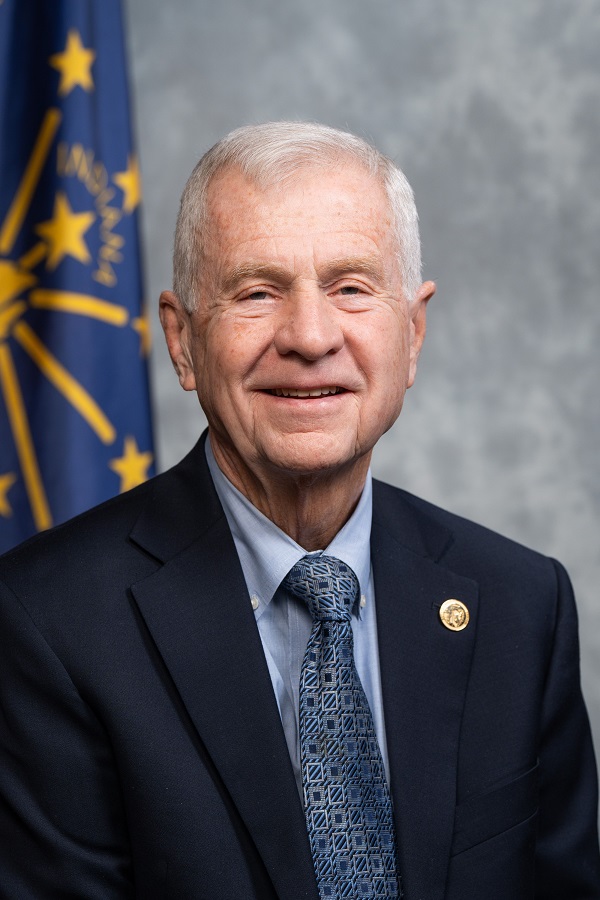
Ed Charbonneau
RRepublican
P

Ed Soliday
RRepublican
P
Eric Koch
RRepublican
Co
Andy Zay
RRepublican
Co

Carey Hamilton
DDemocratic
Co
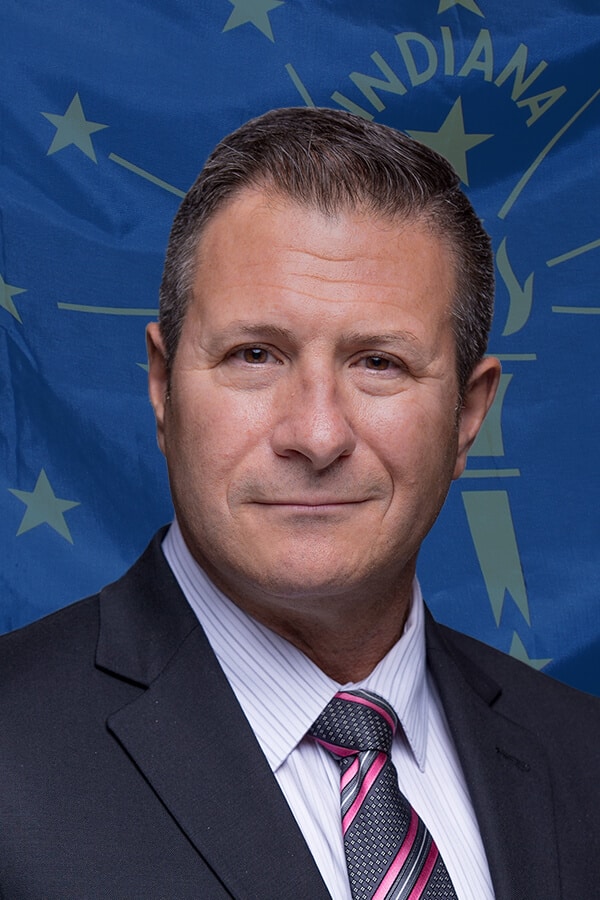
David Niezgodski
DDemocratic
Co
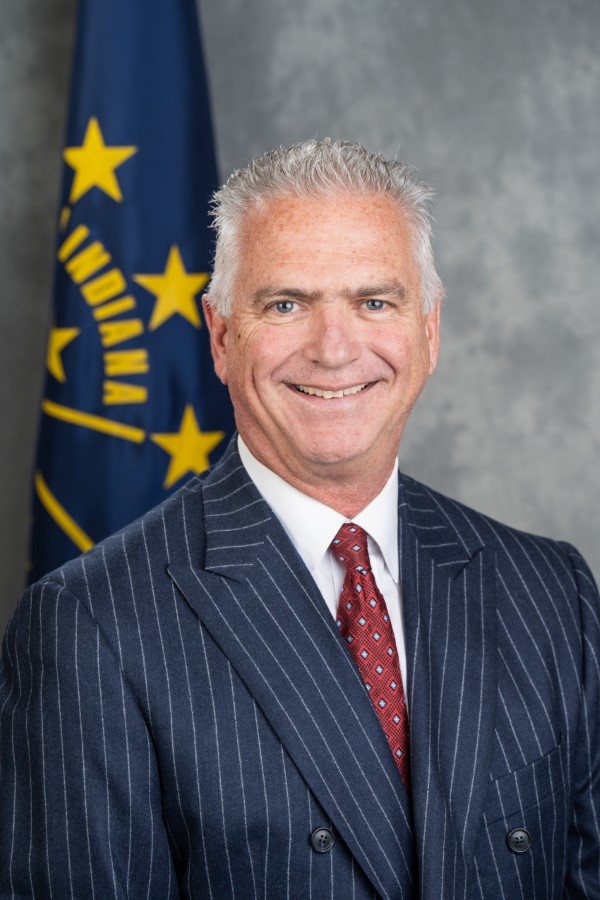
Eric Bassler
RRepublican
Co
Erin Houchin
RRepublican
Co

Ethan Manning
RRepublican
Co
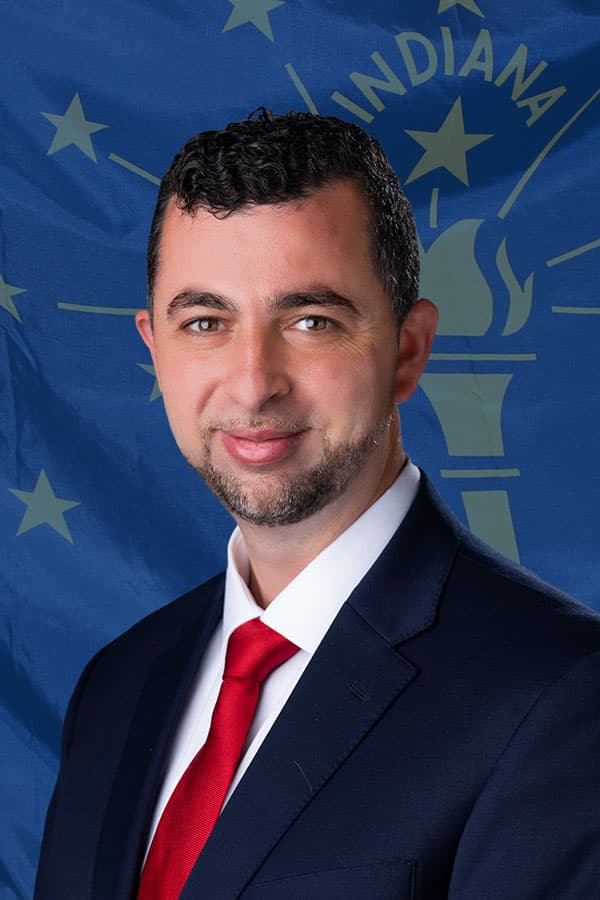
Fady Qaddoura
DDemocratic
Co

Jean Leising
RRepublican
Co
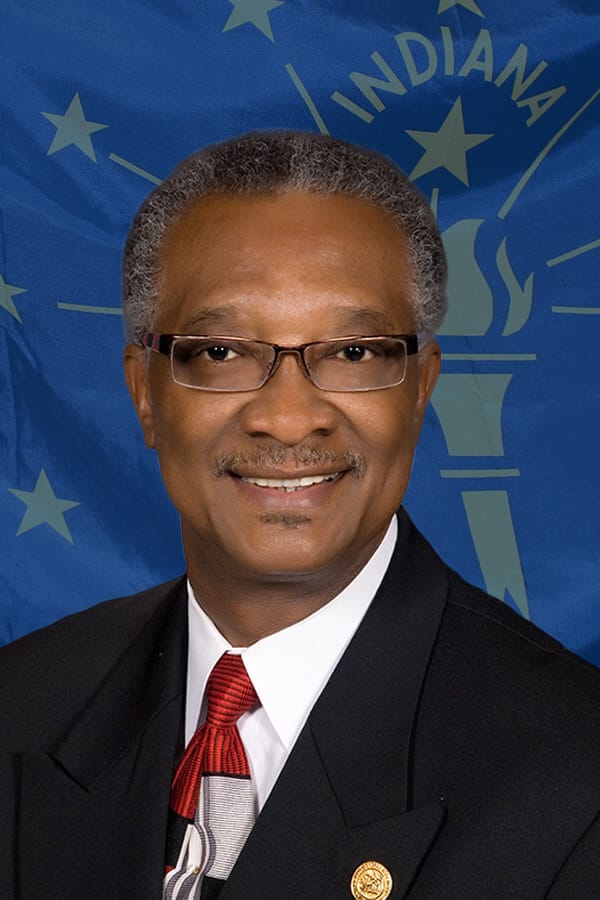
Lonnie Randolph
DDemocratic
Co

Maureen Bauer
DDemocratic



Ask Maddy
·
AI policy assistant
Ask Maddy about SB 272
Scope: IN
Hi! I can help you understand SB 272. What would you like to know?
Try one of these
i
Maddy answers using official bill text and legislative records. Always verify before sharing.
Sources cited inline