

Department of child services matters.
Summary
Provides that an individual may be employed by a child care provider before the state-mandated criminal history check of the individual is completed if the following conditions are satisfied: (1) The individual's: (A) fingerprint-based check of national crime information data bases; (B) national sex offender registry check; (C) in-state local criminal records check; and (D) in-state child protection index check; have been completed. (2) If the individual has resided outside Indiana at any time during the five years preceding the individual's date of hire, the individual's: (A) out-of-state child abuse registry check; and (B) out-of-state local criminal records check; have been requested. (3) The individual's employment before the completion of the state-mandated criminal history check is limited to training during which the individual: (A) does not have contact with children who are under the care and control of the child care provider; and (B) does not have access to records containing information regarding children who are under the care and control of the child care provider. (4) The individual completes an attestation, under penalty of perjury, disclosing: (A) any abuse or neglect complaints made against the individual with the child welfare agency of a state other than Indiana in which the individual resided within the five years preceding the date of the attestation; and (B) any contact the individual had with a law enforcement agency in connection with the individual's suspected or alleged commission of a crime in a state other than Indiana in which the individual resided within the five years preceding the date of the attestation. Establishes a process by which a child caring institution, group home, licensed child placing agency, or secure private facility (child services providers) may request a review of base rates and other cost-based rates approved by the department of child services (department).
Bill status
signed
all 5 stages cleared
Introduction
Mar 2022
Committee Review
Mar 2022
Senate Passage
Feb 2022
House Passage
Feb 2022
Signed into Law
Mar 2022
Introduced Mar 1, 2022
Signed Mar 21, 2022
Floor votes · House Feb 28, 2022
How they voted
This bill passed the Senate by voice vote (no roll call recorded).
Full legislative history
Actions timeline
Total actions
46
Key actions
8
Committee
7
Amendments
6
Mar 21, 2022
Signed into law
Signed by the Governor
executive
Mar 8, 2022
Upper · Passed
Rules Suspended. Conference Committee Report 1: adopted by the Senate; Roll Call 356: yeas 50, nays 0
upper
Mar 8, 2022
Lower · Passed
Rules Suspended. Conference Committee Report 1: adopted by the House; Roll Call 374: yeas 92, nays 1
lower
Mar 8, 2022
Introduced
CCR # 1 filed in the House
lower
Mar 8, 2022
Introduced
CCR # 1 filed in the Senate
upper
Mar 2, 2022
Amended
Senate dissented from House amendments
upper
Mar 2, 2022
Introduced
Motion to dissent filed
upper
Mar 1, 2022
Introduced
Motion to concur filed
upper
Mar 1, 2022
Amended
Returned to the Senate with amendments
lower
Feb 28, 2022
Lower · Passed
Third reading: passed; Roll Call 303: yeas 67, nays 30
lower
Feb 24, 2022
Amended
Amendment #1 (DeLaney) failed; Roll Call 277: yeas 35, nays 57
lower
Feb 24, 2022
Amended
Amendment #7 (Jeter) prevailed; voice vote
lower
Feb 21, 2022
Lower · Passed
Committee report: amend do pass, adopted
lower
Feb 17, 2022
Committee
Referred to the Committee on Ways and Means pursuant to House Rule 127
lower
Feb 17, 2022
Lower · Passed
Committee report: amend do pass, adopted
lower
Feb 2, 2022
Committee
Referred to the House
upper
Feb 1, 2022
Upper · Passed
Third reading: passed; Roll Call 117: yeas 48, nays 0
upper
Jan 27, 2022
Amended
Amendment #2 (Ford J.D.) failed; Roll Call 87: yeas 12, nays 35
upper
Jan 27, 2022
Amended
Amendment #1 (Holdman) prevailed; voice vote
upper
Jan 24, 2022
Upper · Passed
Committee report: amend do pass, adopted
upper
4 primary · 12 co-sponsors
Sponsors
Role
Legislator
Party
State
District
P
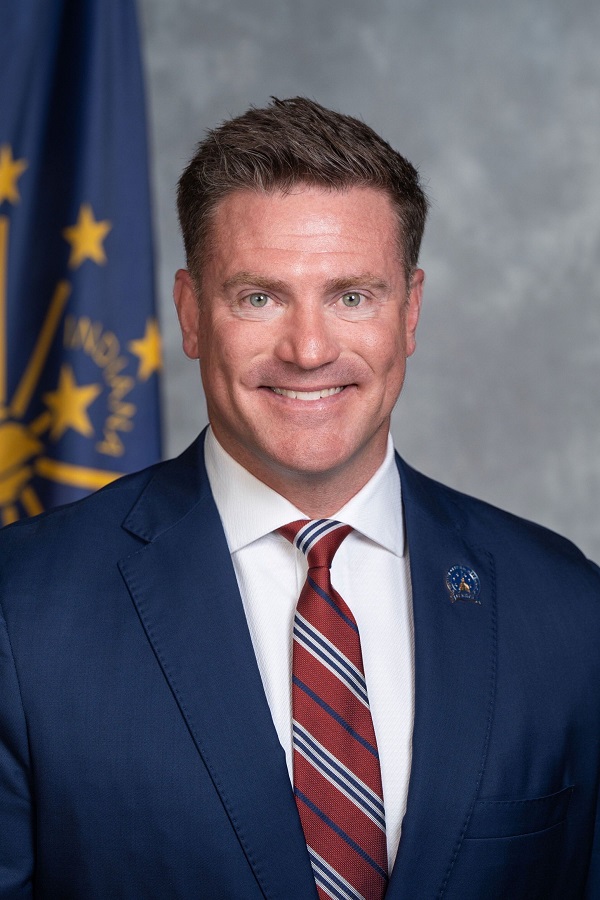
Chris Garten
RRepublican
P
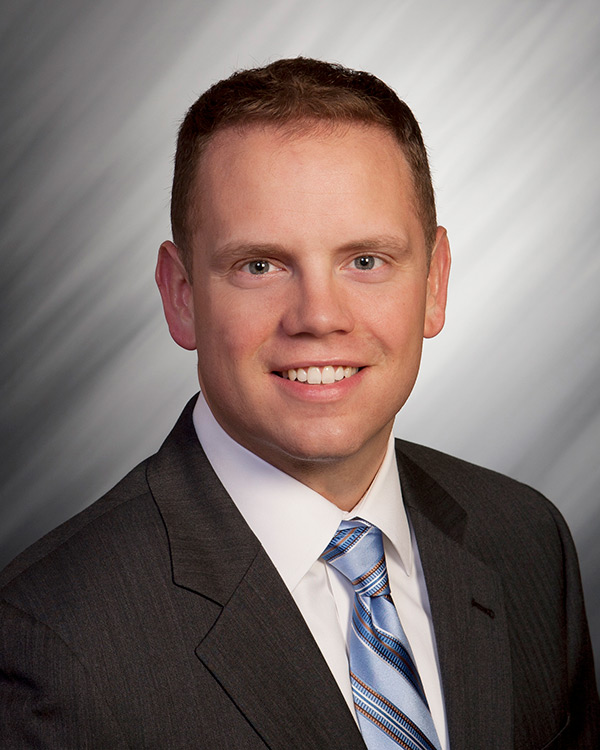
Chris Jeter
RRepublican
P
Jon Ford
RRepublican
P
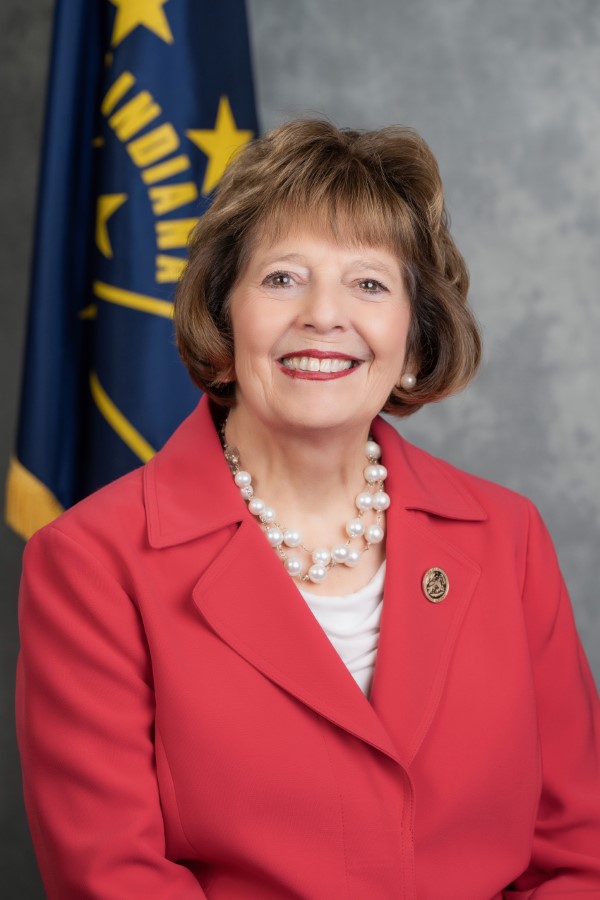
Linda Rogers
RRepublican
Co
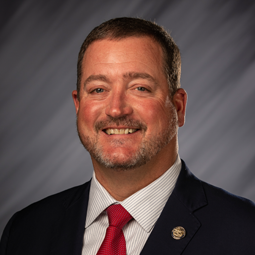
Chuck Goodrich
RRepublican
Co
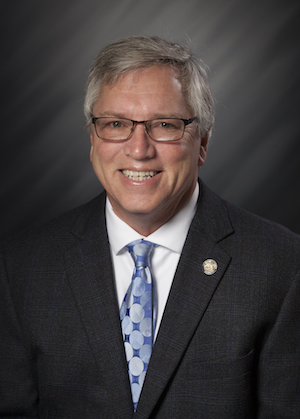
Dale DeVon
RRepublican
Co
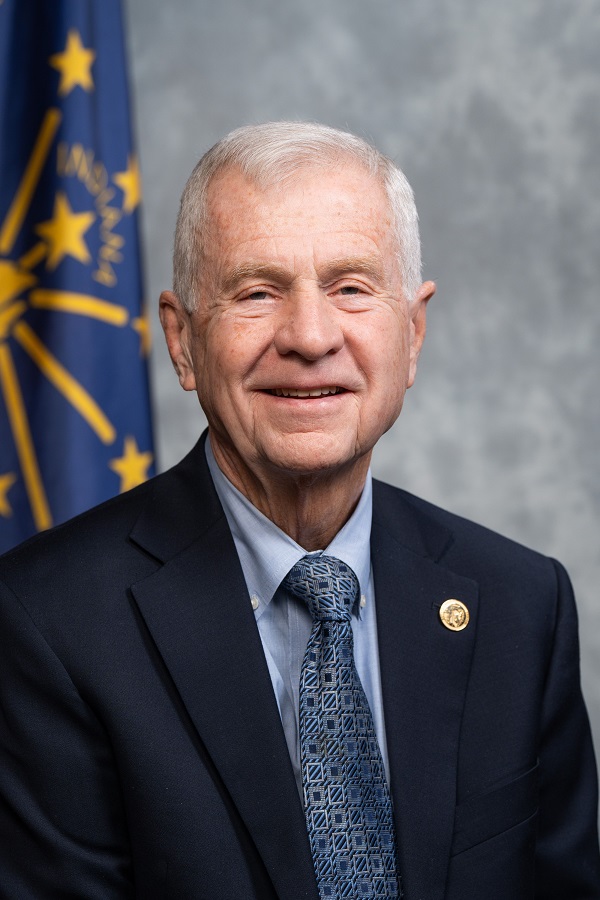
Ed Charbonneau
RRepublican
Co
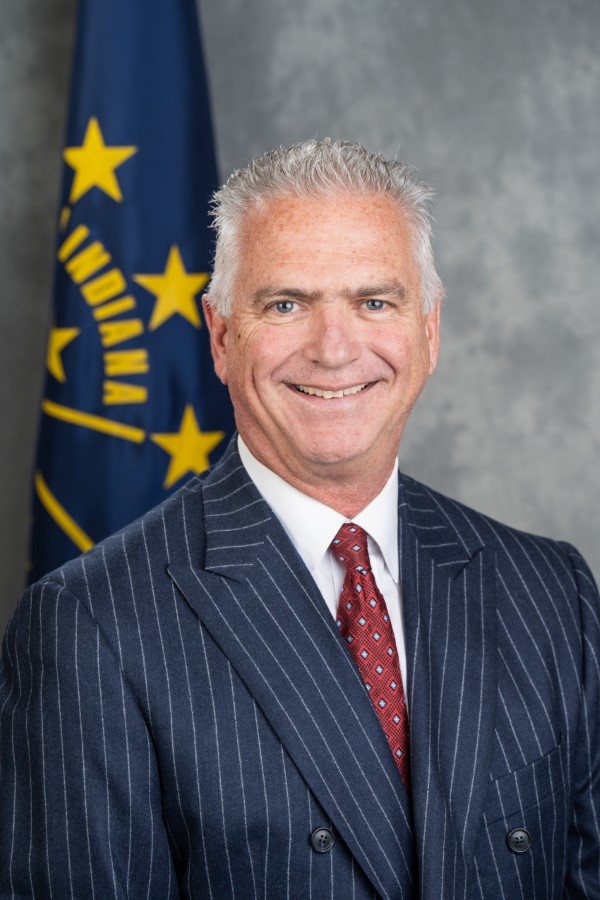
Eric Bassler
RRepublican
Co
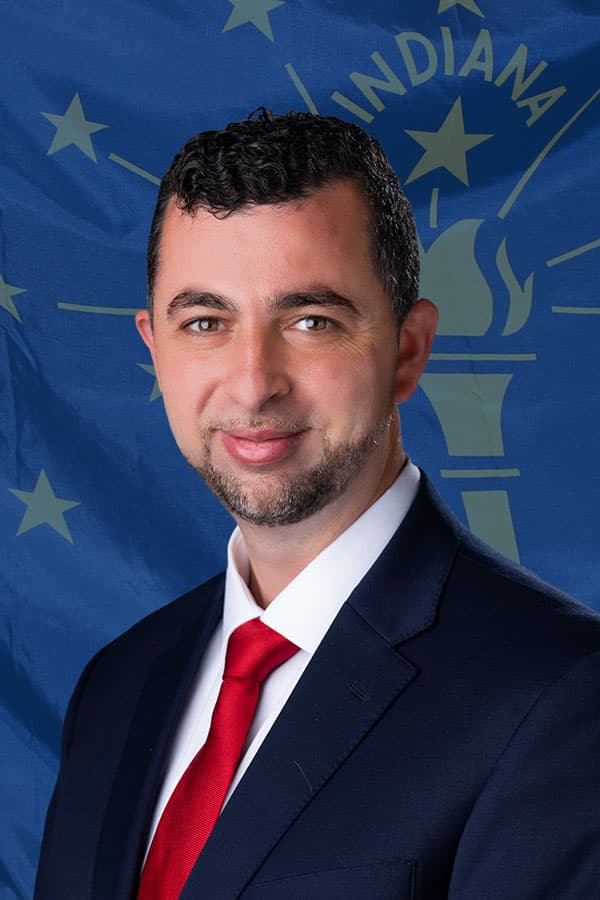
Fady Qaddoura
DDemocratic
Co
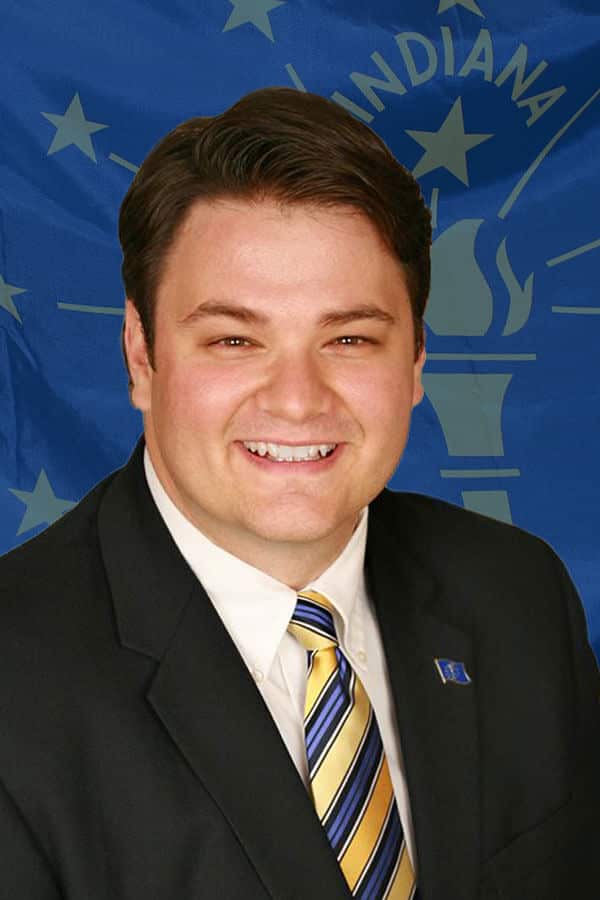
J.D. Ford
DDemocratic
Co
JY
John Young
RRepublican
Co
Kevin Boehnlein
RRepublican
Co
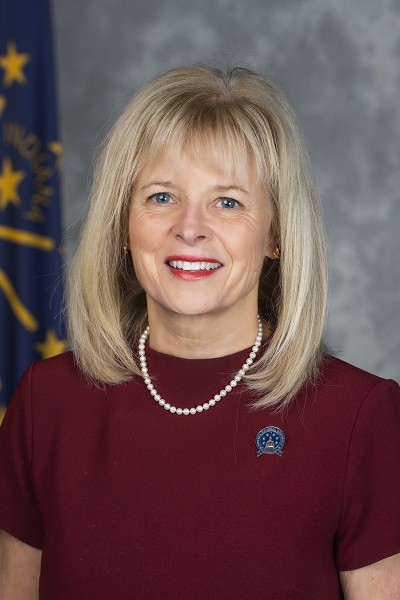
Liz Brown
RRepublican
Co
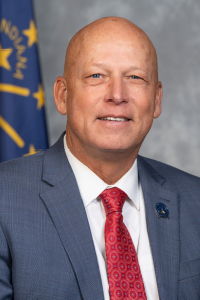
Michael Crider
RRepublican
Ask Maddy
·
AI policy assistant
Ask Maddy about SB 266
Scope: IN
Hi! I can help you understand SB 266. What would you like to know?
Try one of these
i
Maddy answers using official bill text and legislative records. Always verify before sharing.
Sources cited inline