

Fire protection territories and local income taxation.
Summary
Provides that a fire protection territory that experiences more than 6% population growth during a 10 year period may increase its maximum property tax levy for 2023 or any year thereafter by an amount based on the population growth that exceeds 6%. Provides, however, that the fire protection territory may not increase the tax levy based on the population growth by a total rate of more than 0.15 per $100 of the net assessed value of the fire protection territory area within a 10 year period. Allows a total tax rate levied upon the formation of a fire protection territory established after December 31, 2022, to be implemented over a number of years, not exceeding five, and subject to review and approval by the department of local government finance. Provides that a participating unit's proceeds of property taxes imposed to meet the participating unit's obligations to a fire protection territory are exempt from areas needing redevelopment, redevelopment project areas, urban renewal project areas, economic development areas, or economic development districts established after December 31, 2021. Provides that, in the case of counties that provide emergency medical services for all local units in the county and pay 100% of the costs to provide those services, the fiscal body of the county may adopt an ordinance to impose a local income tax (LIT) rate for emergency medical services in the county. Provides that the tax rate may not exceed 0.2%. Provides that the LIT revenue shall be distributed directly to the county before the remainder of the expenditure rate revenue is distributed and must be deposited in a dedicated fund to be used only for paying for operating costs incurred by the county for emergency medical services that are provided throughout the county. Provides that the tax rate may not be in effect for more than 25 years.
Bill status
signed
all 5 stages cleared
Introduction
Mar 2022
Committee Review
Feb 2022
House Passage
Jan 2022
Senate Passage
Mar 2022
Signed into Law
Mar 2022
Introduced Mar 2, 2022
Signed Mar 11, 2022
Floor votes · House Jan 27, 2022
How they voted
This bill passed the Senate by voice vote (no roll call recorded).
Full legislative history
Actions timeline
Total actions
24
Key actions
5
Committee
3
Amendments
3
Mar 11, 2022
Signed into law
Signed by the Governor
executive
Mar 2, 2022
Amended
House concurred in Senate amendments; Roll Call 327: yeas 83, nays 6
lower
Mar 2, 2022
Introduced
Motion to concur filed
lower
Mar 2, 2022
Amended
Returned to the House with amendments
upper
Mar 1, 2022
Upper · Passed
Third reading: passed; Roll Call 300: yeas 47, nays 1
upper
Feb 28, 2022
Amended
Amendment #1 (Buchanan) prevailed; voice vote
upper
Feb 22, 2022
Upper · Passed
Committee report: amend do pass, adopted
upper
Jan 28, 2022
Committee
Referred to the Senate
lower
Jan 27, 2022
Lower · Passed
Third reading: passed; Roll Call 124: yeas 87, nays 5
lower
Jan 24, 2022
Lower · Passed
Committee report: amend do pass, adopted
lower
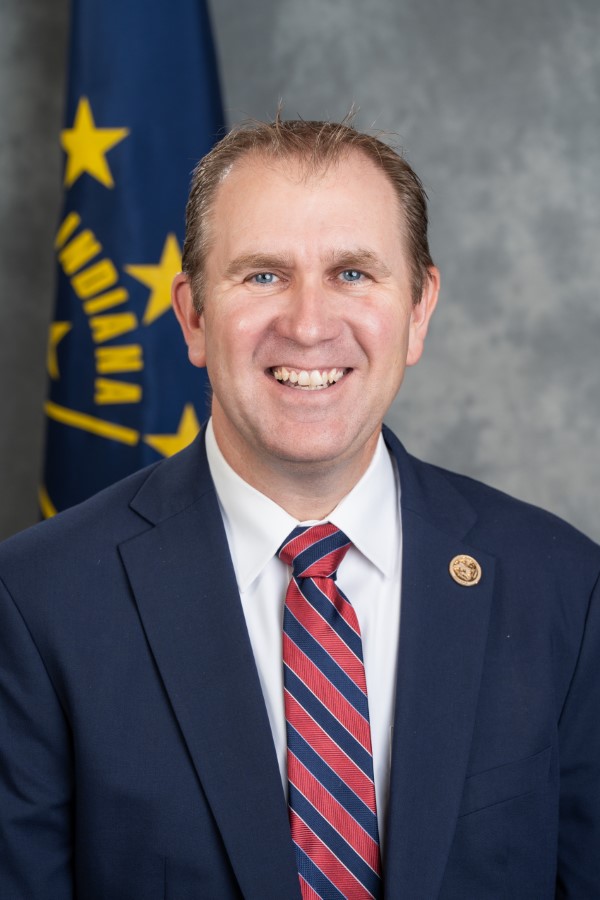
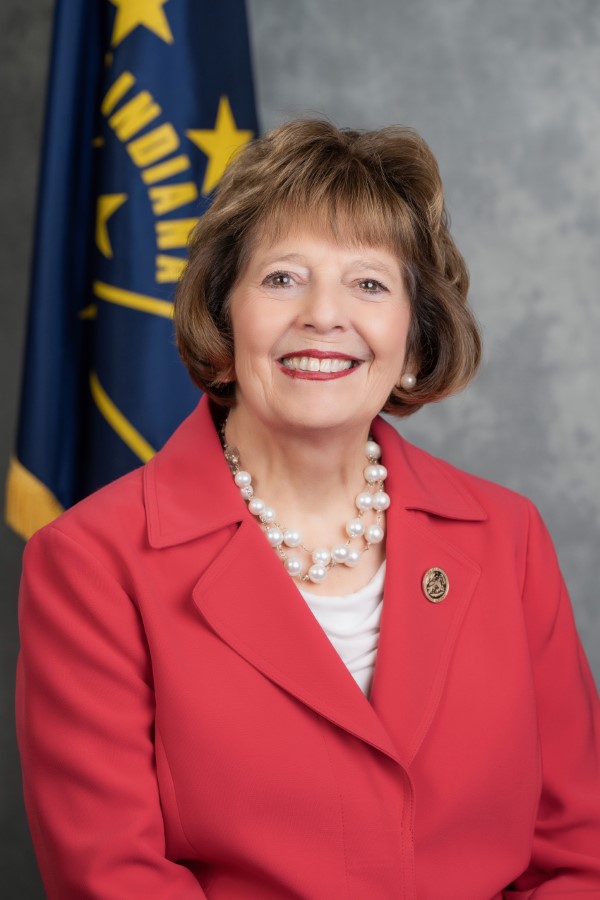
4 primary · 3 co-sponsors
Sponsors




Ask Maddy
·
AI policy assistant
Ask Maddy about HB 1246
Scope: IN
Hi! I can help you understand HB 1246. What would you like to know?
Try one of these
i
Maddy answers using official bill text and legislative records. Always verify before sharing.
Sources cited inline