

Various health matters.
Summary
Requires the office of the secretary of family and social services (office) to apply for a Medicaid state plan amendment or Medicaid waiver for the following: (1) Reimbursement of Medicaid rehabilitation option services for a Medicaid eligible recipient who is undertaking an initial assessment, intake, or counseling in a community mental health center. (2) Reimbursement for Medicaid rehabilitation option services concurrently with reimbursement under the residential addiction treatment program. Requires a community mental health center to commence a plan of treatment within two weeks for a Medicaid recipient who receives services after the office has amended the state plan. Specifies that for purposes of a community mental health center, telehealth services satisfy any face to face meeting requirement between a clinician and consumer. Requires at least two members of the division of mental health and addiction planning and advisory council to be community mental health center chief executive officers or designees. Specifies that the division of mental health and addiction (division) has primary oversight over suicide prevention and crisis services activities and coordination and designation of the 9-8-8 crisis hotline centers. Sets forth requirements to be designated as a 9-8-8 crisis hotline center. Establishes the statewide 9-8-8 trust fund. Allows advanced practice registered nurses and physician assistants to perform certain duties that are performed by a physician under the home health agencies laws. Allows a nonprofit association of cities and towns to participate in the state aggregate prescription drug purchasing program. Requires a public school that issues, after June 30, 2022, a student identification card to a student in grade 6, 7, 8, 9, 10, 11, or 12 to include on the student identification card the 9-8-8 crisis hotline and other crisis hotline phone numbers. Delays the requirement that a prescription for a controlled substance be in an electronic format until January 1, 2022. Allows for an exemption from the requirement of issuing a controlled substance prescription in an electronic format if the dispensing pharmacy or provider is unable to receive or process an electronically transmitted prescription. Requires certain rules adopted by the Indiana board of pharmacy (board) to be substantially similar to certain federal regulations. Adds behavior analysts to the definition of "practitioner" for purposes of the telehealth laws. Amends the definition of "telehealth". Amends the required graduate level courses and clinical experience that an applicant is required to obtain for a license as a clinical addiction counselor. Allows a pharmacist and pharmacy technician to administer an immunization for coronavirus disease. Allows a registered nurse to provide for the direct supervision of a pharmacist intern or pharmacist student who administers an immunization. Changes references of the "pharmacist in charge" to the "pharmacist on duty". Allows a pharmacist to supervise eight pharmacy interns. Allows a pharmacy technician to work remotely to perform specified responsibilities. Provides that the board shall hold the pharmacy permit holder accountable, rather than the qualifying pharmacy, for staffing violations if the qualifying pharmacist does not have the authority to make staffing determinations. Specifies that a transfer of a prescription includes a schedule II controlled substance. Removes the requirement that a pharmacist provide a patient with a written advance beneficiary notice that states that the patient may not be eligible for reimbursement for the device or supply. Changes remote dispensing facility requirements concerning location of the facility. Changes how long a remote dispensing facility must retain a surveillance recording from 45 days to 30 days. Removes specified physical requirements that a video monitor being used by the remote facility must meet. Adds therapeutic substitution to the definition of "protocol" for purposes of drug regimen adjustments and defines "therapeutic alternative" and specifies use of therapeutic alternative requirements for protocols. Removes a requirement for drug protocols concerning availability of medical records. Allows for physician assistants and advanced practice registered nurses to make referrals to pharmacists. Removes the requirement that the executive director of the Indiana professional licensing agency provide advice and consent before a majority of the members of the physical therapist committee may call a meeting. Requires the medical licensing board to adopt rules before January 1, 2022, that are required under the laws concerning physician assistants. Adds any plan or program that provides payment, reimbursement, or indemnification for the cost of prescription drugs to the definition of a "health plan". Adds two members to the justice reinvestment advisory council.
Bill status
signed
all 5 stages cleared
Introduction
Apr 2021
Committee Review
Apr 2021
House Passage
Feb 2021
Senate Passage
Apr 2021
Signed into Law
Apr 2021
Introduced Apr 8, 2021
Signed Apr 29, 2021
Floor votes · Senate Apr 6, 2021
How they voted
47–0
Passed
Total votes 47
Apr 6, 2021
D
Democratic11
100% Yea
R
Republican36
100% Yea
Vote distribution
All Yea
All Nay
Mixed
No data
Full legislative history
Actions timeline
Total actions
33
Key actions
7
Committee
5
Amendments
3
Apr 29, 2021
Signed into law
Signed by the Governor
executive
Apr 22, 2021
Upper · Passed
Rules Suspended. Conference Committee Report 1: adopted by the Senate; Roll Call 489: yeas 49, nays 0
upper
Apr 21, 2021
Lower · Passed
Rules Suspended. Conference Committee Report 1: adopted by the House; Roll Call 498: yeas 86, nays 3
lower
Apr 21, 2021
Introduced
CCR # 1 filed in the Senate
upper
Apr 21, 2021
Introduced
CCR # 1 filed in the House
lower
Apr 8, 2021
Amended
House dissented from Senate amendments
lower
Apr 8, 2021
Introduced
Motion to dissent filed
lower
Apr 7, 2021
Amended
Returned to the House with amendments
upper
Apr 6, 2021
Upper · Passed
Third reading: passed; Roll Call 359: yeas 50, nays 0
upper
Apr 5, 2021
Amended
Amendment #1 (Ford Jon) prevailed; voice vote
upper
Apr 1, 2021
Upper · Passed
Committee report: amend do pass, adopted
upper
Feb 23, 2021
Committee
Referred to the Senate
lower
Feb 22, 2021
Lower · Passed
Third reading: passed; Roll Call 209: yeas 95, nays 0
lower
Feb 15, 2021
Lower · Passed
Committee report: amend do pass, adopted
lower
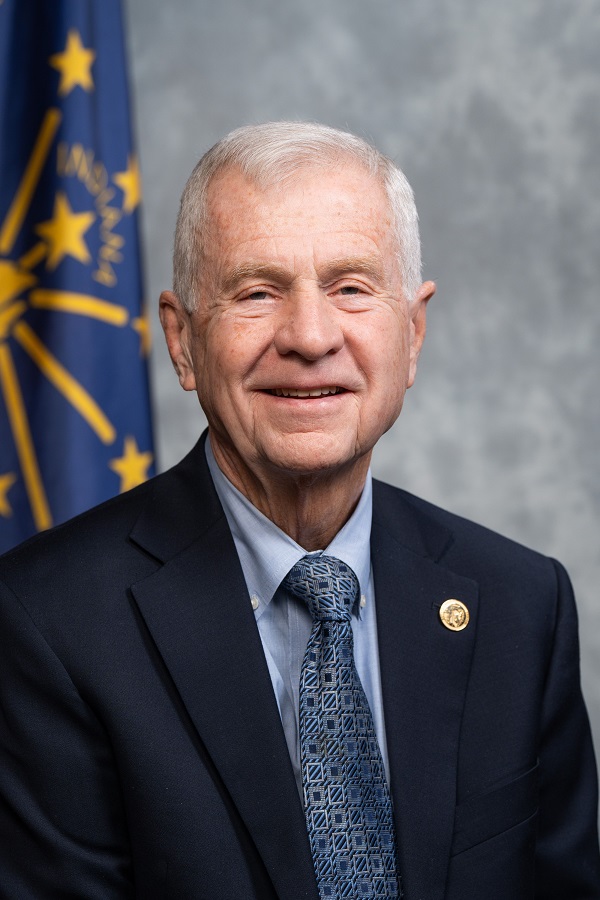
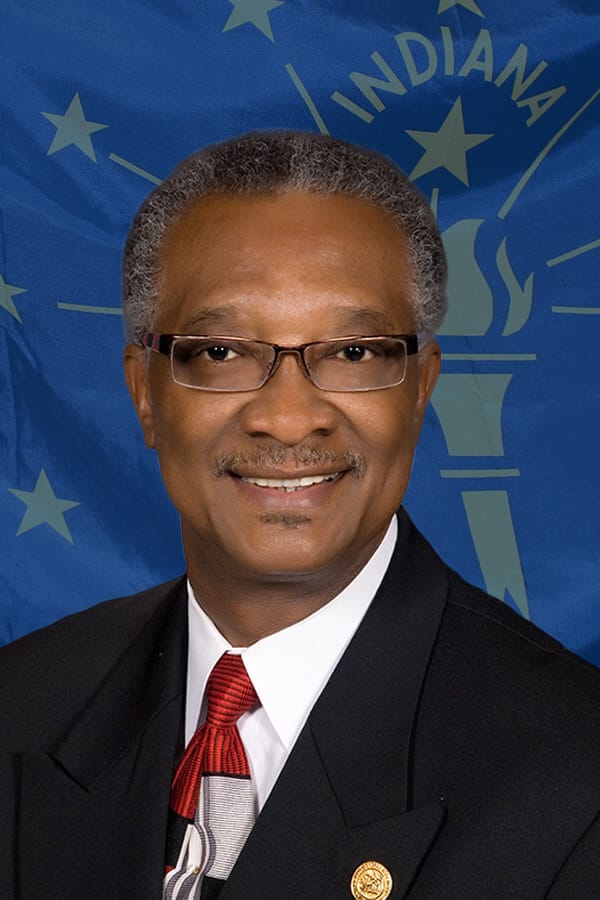
4 primary · 6 co-sponsors
Sponsors



Ask Maddy
·
AI policy assistant
Ask Maddy about HB 1468
Scope: IN
Hi! I can help you understand HB 1468. What would you like to know?
Try one of these
i
Maddy answers using official bill text and legislative records. Always verify before sharing.
Sources cited inline