

Tobacco and vaping smoking age.
Summary
Prohibits a person who is less than 21 years of age from buying or possessing: (1) tobacco; (2) e-liquids; or (3) electronic cigarettes. Makes conforming changes regarding enforcement provisions, sales certificates, prohibition of delivery sales, and notices posted at retail establishments and at vending machines. Provides that a retail establishment that sells an e-liquid to a person less than 21 years of age is subject to a civil judgment for an infraction. Doubles the civil judgment for an infraction for: (1) a retail establishment that sells or distributes tobacco, an e-liquid, or an electronic cigarette to a person less than 21 years of age; and (2) certain retail establishments that allow an underage person to enter their establishment. Modifies the time frame for when retail establishments may receive enhanced penalties for repeat e-liquid and tobacco products violations. Requires a merchant who mails or ships cigarettes as part of a delivery sale to use a shipping service that requires a customer to present identification if they appear to be less than 30 years of age. Provides that a tobacco sales certificate (certificate) may only be issued to a person who has not had an interest in a certificate revoked by the commission for a business location within one year. Makes it a Class C misdemeanor if a tobacco and vaping business operates within 1,000 feet of a public or private elementary or secondary school. Provides that a retail establishment in which tobacco products, electronic cigarettes, and e-liquids account for at least 85% of the retail establishment's gross sales: (1) may not allow a person who is less than 21 years of age to enter the retail establishment; and (2) is not subject to a statute prohibiting sales of tobacco or electronic cigarettes through a self-service display. Makes it a Class B infraction for a person to knowingly sell tobacco, an e-liquid, or an electronic cigarette that contains vitamin E acetate. Makes technical corrections.
Bill status
signed
all 5 stages cleared
Introduction
Mar 2020
Committee Review
Mar 2020
Senate Passage
Jan 2020
House Passage
Mar 2020
Signed into Law
Mar 2020
Introduced Mar 9, 2020
Signed Mar 18, 2020
Floor votes · Senate Jan 23, 2020 · House Mar 3, 2020
How they voted
31–7
Passed · 3 other
Total votes 41
Jan 23, 2020
D
Democratic8
87% Yea
R
Republican33
72% Yea
Vote distribution
All Yea
All Nay
Mixed
No data
Full legislative history
Actions timeline
Total actions
37
Key actions
9
Committee
5
Amendments
4
Mar 18, 2020
Signed into law
Signed by the Governor
executive
Mar 11, 2020
Lower · Passed
Rules Suspended. Conference Committee Report 1: adopted by the House; Roll Call 385: yeas 77, nays 16
lower
Mar 11, 2020
Upper · Passed
Rules Suspended. Conference Committee Report 1: adopted by the Senate; Roll Call 380: yeas 37, nays 11
upper
Mar 11, 2020
Introduced
CCR # 1 filed in the House
lower
Mar 11, 2020
Introduced
CCR # 1 filed in the Senate
upper
Mar 9, 2020
Amended
Senate dissented from House amendments
upper
Mar 9, 2020
Introduced
Motion to dissent filed
upper
Mar 4, 2020
Amended
Returned to the Senate with amendments
lower
Mar 3, 2020
House · Passed
House Vote: pass (71-15-6)
house
Mar 2, 2020
Lower · Passed
Amendment #1 (Kirchhofer) prevailed; voice vote
lower
Feb 27, 2020
Lower · Passed
Committee report: amend do pass, adopted
lower
Jan 27, 2020
Committee
Referred to the House
upper
Jan 23, 2020
Senate · Passed
Senate Vote: pass (31-7-3)
senate
Jan 21, 2020
Upper · Passed
Amendment #1 (Leising) prevailed; voice vote
upper
Jan 16, 2020
Upper · Passed
Committee report: amend do pass, adopted
upper
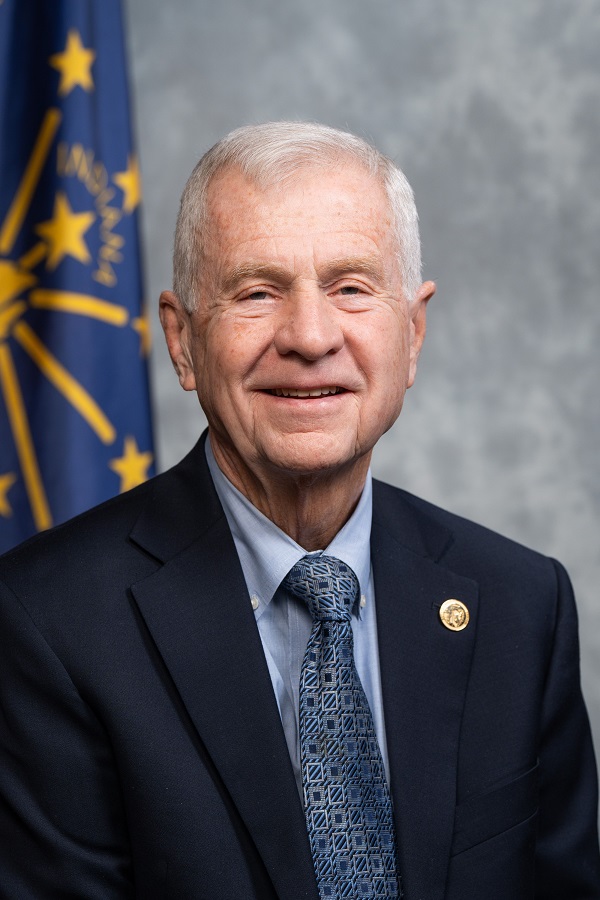
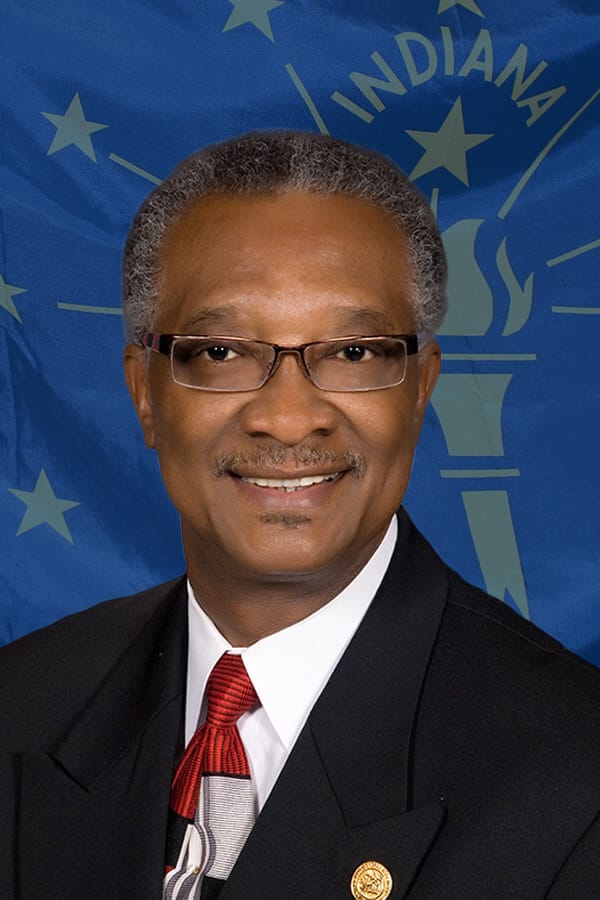
4 primary · 4 co-sponsors
Sponsors

Ask Maddy
·
AI policy assistant
Ask Maddy about SB 1
Scope: IN
Hi! I can help you understand SB 1. What would you like to know?
Try one of these
i
Maddy answers using official bill text and legislative records. Always verify before sharing.
Sources cited inline