

Community mental health centers.
Summary
Provides that: (1) licensed clinical social workers; (2) licensed mental health counselors; (3) licensed marriage and family therapists; and (4) licensed clinical addiction counselors; who have at least two years of experience in addiction treatment or hold an addiction credential are eligible supervisors for addiction based intensive outpatient treatments under Medicaid. Defines a community mental health center as a governmental unit for purposes of the required nonfederal share of medical assistance payments under Medicaid. Provides that a provider in an intensive outpatient treatment program is not required to be a licensed addictive counselor or clinical addiction counselor if specified conditions are met. Specifies that a recovery audit does not require documentation at the time of service for services provided in certain instances. Allows a supervising provider in a community mental health center to review documentation concerning: (1) a plan of treatment; or (2) specific treatment methods; not later than 30 days from the date of service. Sets forth requirements to demonstrate active treatment in developing a plan of treatment. Requires the division to provide best practice recommendations and to work with community mental health centers in a collaborative manner. Provides that documentation that is developed as part of an incident or death audit is confidential. Allows the division of mental health and addiction to grant a waiver of staffing requirements for community mental health center applicants. Provides that a licensed prescriber with prescriptive authority shall be counted when determining whether a community mental health center applicant meets certain staffing requirements for community mental health center certification. Requires a licensed clinical addiction counselor to be counted for certain staffing requirements of community mental health centers. Requires the division to develop a comprehensive appeals process under the mental health and addiction forensic treatment program not later than January 1, 2021. Provides advanced practice nurses with all of the supervisory rights and responsibilities of: (1) licensed physicians; and (2) health service provider in psychology (HSPP) psychologists; in certain instances if specified requirements are met.
Bill status
signed
all 5 stages cleared
Introduction
Mar 2020
Committee Review
Feb 2020
House Passage
Jan 2020
Senate Passage
Mar 2020
Signed into Law
Mar 2020
Introduced Mar 4, 2020
Signed Mar 18, 2020
Floor votes · Senate Mar 3, 2020 · House Jan 30, 2020
How they voted
39–0
Passed · 2 other
Total votes 41
Mar 3, 2020
D
Democratic8
100% Yea
R
Republican33
93% Yea
Vote distribution
All Yea
All Nay
Mixed
No data
Full legislative history
Actions timeline
Total actions
32
Key actions
7
Committee
3
Amendments
5
Mar 18, 2020
Signed into law
Signed by the Governor
executive
Mar 10, 2020
Amended
House concurred in Senate amendments; Roll Call 358: yeas 87, nays 0
lower
Mar 10, 2020
Introduced
Motion to concur filed
lower
Mar 4, 2020
Amended
House dissented from Senate amendments
lower
Mar 4, 2020
Introduced
Motion to dissent filed
lower
Mar 4, 2020
Amended
Returned to the House with amendments
upper
Mar 3, 2020
Senate · Passed
Senate Vote: pass (39-0-2)
senate
Mar 2, 2020
Upper · Passed
Amendment #3 (Crider) prevailed; voice vote
upper
Mar 2, 2020
Upper · Passed
Amendment #2 (Crider) prevailed; voice vote
upper
Feb 27, 2020
Upper · Passed
Committee report: amend do pass, adopted
upper
Jan 31, 2020
Committee
Referred to the Senate
lower
Jan 30, 2020
House · Passed
House Vote: pass (87-0-5)
house
Jan 27, 2020
Lower · Passed
Committee report: amend do pass, adopted
lower
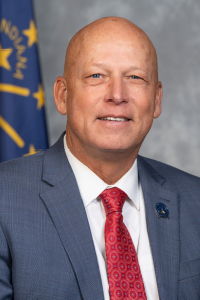
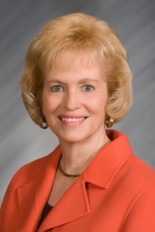
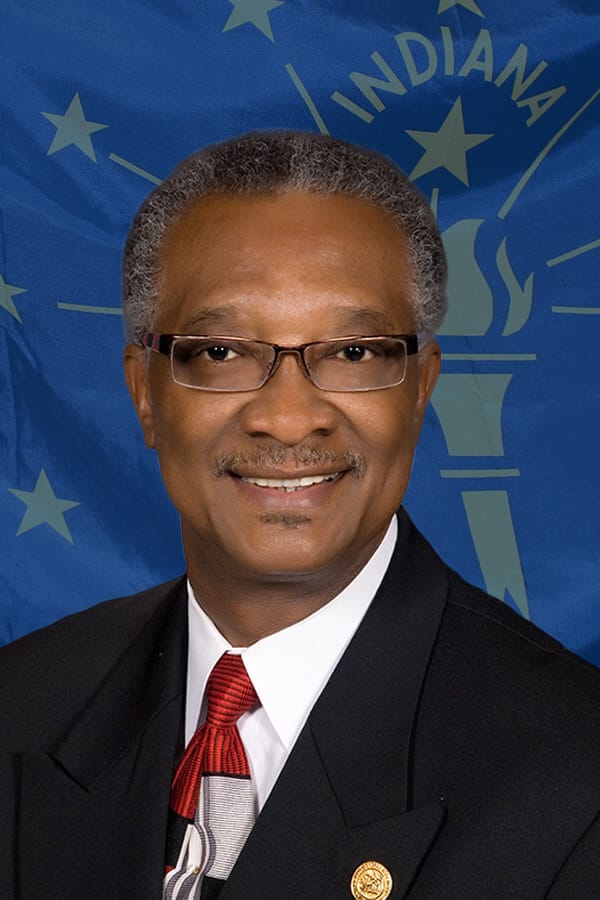
3 primary · 2 co-sponsors
Sponsors
Ask Maddy
·
AI policy assistant
Ask Maddy about HB 1326
Scope: IN
Hi! I can help you understand HB 1326. What would you like to know?
Try one of these
i
Maddy answers using official bill text and legislative records. Always verify before sharing.
Sources cited inline