

RELATING TO STATE FACILITIES.
Summary
Requires all state building construction begun on or after 7/1/2028 to provide at least one universal changing accommodation in each public restroom designated as a family or assisted-use restroom, unless technically infeasible. Effective 1/1/2525. (SD1)
Bill status
passed
3 of 5 stages cleared
Introduction
Jan 2026
Committee Review
Feb 2026
Senate Passage
Feb 2026
House Passage
Governor
Introduced Jan 23, 2026
Last action Feb 20, 2026
Maddy AI version diff · 1 comparison
What changed between versions
SB2932
→
SB2932_SD1
·
5 edits
MODERATE
This bill updates the requirements for universal changing accommodations in state buildings, shifting the implementation date from 2026 to 2028. It also refines the rules by removing the 'where feasible' language and replacing it with a 'unless technically infeasible' standard, while clarifying that the responsible department or agency must post signage. Additionally, a new definition for 'technically infeasible' is added to align with federal accessibility standards.
Scope change
The bill's applicability timeline was extended by two years, and the responsibility for posting signage was broadened from a specific department to any agency managing the building.
TIMELINE
The effective date for new construction and renovations was changed from July 1, 2026, to July 1, 2028.
The bill's effective date was set to January 1, 2525, likely as a placeholder or error in the amendment process.
REQUIREMENT
The requirement to provide changing accommodations was modified to apply unless the project is 'technically infeasible,' replacing the previous 'where feasible' language.
The entity required to post signage for changing accommodations was changed from the 'department of accounting and general services' to the 'department or agency responsible for the management of the state building.'
DEFINITION
A new definition for 'technically infeasible' was added, referencing the 2010 Americans with Disabilities Act Standards for Accessible Design.
Floor votes
How they voted
This bill passed the Senate by voice vote (no roll call recorded).
Full legislative history
Actions timeline
Total actions
9
Key actions
4
Committee
6
Feb 20, 2026
Upper · Passed
Report adopted; Passed Second Reading, as amended (SD 1) and referred to CPN/WAM.
upper
Feb 20, 2026
Committee
Reported from GVO/HHS (Stand. Com. Rep. No. 2592) with recommendation of passage on Second Reading, as amended (SD 1) and referral to CPN/WAM.
upper
Feb 17, 2026
Upper · Passed
The committee(s) on GVO recommend(s) that the measure be PASSED, WITH AMENDMENTS. The votes in GVO were as follows: 4 Aye(s): Senator(s) McKelvey, Hashimoto, Moriwaki, Awa; Aye(s) with reservations: none ; 0 No(es): none; and 1 Excused: Senator(s) Gabbard.
upper
Feb 17, 2026
Upper · Passed
The committee(s) on HHS recommend(s) that the measure be PASSED, WITH AMENDMENTS. The votes in HHS were as follows: 3 Aye(s): Senator(s) San Buenaventura, McKelvey, Fevella; Aye(s) with reservations: none ; 0 No(es): none; and 2 Excused: Senator(s) Kanuha, Keohokalole.
upper
Feb 10, 2026
Upper · Passed
The committee(s) on GVO/HHS has scheduled a public hearing on 02-17-26 3:05PM; Conference Room 225 & Videoconference.
upper
Feb 6, 2026
Committee
Re-Referred to GVO/HHS, CPN/WAM.
upper
Jan 30, 2026
Committee
Referred to HHS/GVO, CPN/WAM.
upper
Jan 23, 2026
Introduced
Introduced.
upper
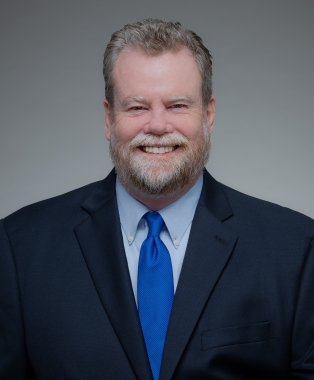
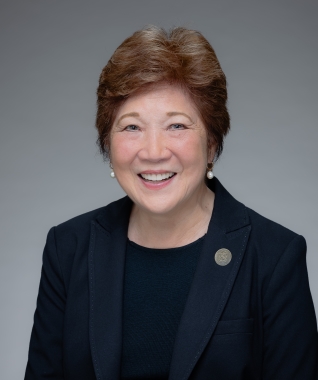
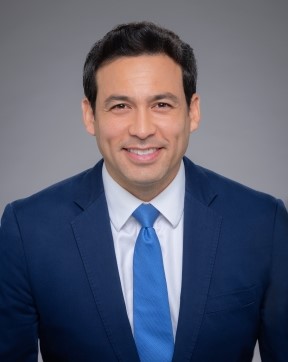
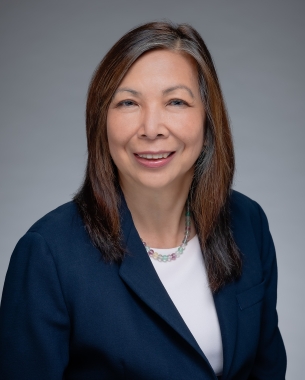
6 primary · 0 co-sponsors
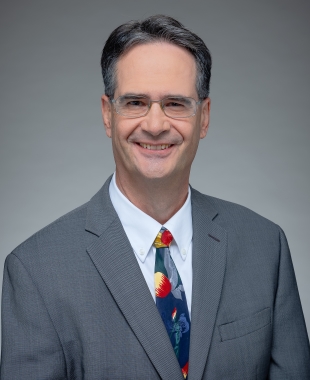
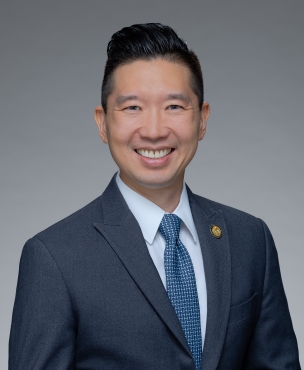
Sponsors
Ask Maddy
·
AI policy assistant
Ask Maddy about SB 2932
Scope: HI
Hi! I can help you understand SB 2932. What would you like to know?
Try one of these
i
Maddy answers using official bill text and legislative records. Always verify before sharing.
Sources cited inline