

RELATING TO THE HOUSING LOAN AND MORTGAGE PROGRAM.
SB 2553 increases the maximum amount of state-funded bonds available for the Hula Mae Multifamily Revenue Program. This change would allow the program to continue financing affordable rental housing projects across the state by raising its funding limit. The bill directly affects affordable housing developers and renters who rely on these state-supported housing options. The program uses revenue bonds to fund new or existing apartment buildings offering below-market rent, and this bill would expand its capacity without creating new requirements. The bill is currently pending review by the Housing Committee.
Bill status
passed
3 of 5 stages cleared
Introduction
Jan 2026
Committee Review
Feb 2026
Senate Passage
Feb 2026
House Passage
Governor
Introduced Jan 23, 2026
Last action Feb 19, 2026
Maddy AI version diff · 1 comparison
What changed between versions
SB2553
→
SB2553_SD1
·
4 edits
MODERATE
This bill updates the Hula Mae revenue bond authorization ceiling from $5 billion to $4 billion and changes the effective date to July 1, 2050. It also adds a new requirement for the Hawaii Housing Finance and Development Corporation to submit a detailed report by early 2027 outlining its plan to meet statewide housing demand for households earning 60% to 140% of the area median income.
Scope change
The bill's scope expanded to include a mandatory reporting requirement for the housing corporation regarding its strategy to address housing shortages for moderate-income residents, while the funding authorization amount was reduced.
FISCAL
The maximum authorized principal amount for Hula Mae multifamily revenue bonds was decreased from $5,000,000,000 to $4,000,000,000.
REQUIREMENT
A new mandate requires the Hawaii Housing Finance and Development Corporation to submit a report to the legislature by early 2027 detailing its plan to meet housing demand for residents earning 60% to 140% of the area median income.
TIMELINE
The effective date of the Act was changed from immediate approval to July 1, 2050.
TECHNICAL
The legislative title and section numbering were updated to reflect the new SD1 version and revised statutory language.
Floor votes
How they voted
This bill passed the Senate by voice vote (no roll call recorded).
Full legislative history
Actions timeline
Total actions
8
Key actions
3
Committee
4
Feb 19, 2026
Upper · Passed
Report adopted; Passed Second Reading, as amended (SD 1) and referred to WAM.
upper
Feb 19, 2026
Committee
Reported from HOU (Stand. Com. Rep. No. 2403) with recommendation of passage on Second Reading, as amended (SD 1) and referral to WAM.
upper
Feb 10, 2026
Upper · Passed
The committee(s) on HOU recommend(s) that the measure be PASSED, WITH AMENDMENTS. The votes in HOU were as follows: 5 Aye(s): Senator(s) Chang, Hashimoto, Elefante, Rhoads, Fevella; Aye(s) with reservations: none ; 0 No(es): none; and 0 Excused: none.
upper
Feb 2, 2026
Upper · Passed
The committee(s) on HOU has scheduled a public hearing on 02-05-26 1:01PM; Conference Room 225 & Videoconference.
upper
Jan 28, 2026
Committee
Referred to HOU, WAM.
upper
Jan 23, 2026
Introduced
Introduced.
upper
3 primary · 0 co-sponsors
Sponsors
Role
Legislator
Party
State
District
P

Karl Rhoads
DDemocratic
P
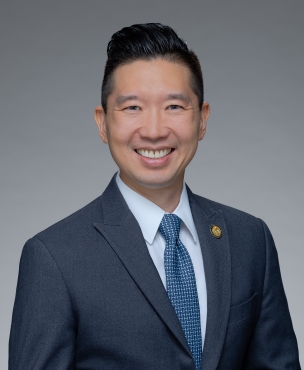
Stanley Chang
DDemocratic
P
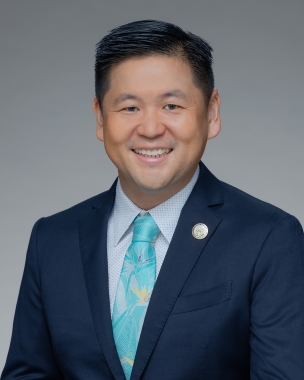
Troy Hashimoto
DDemocratic
Ask Maddy
·
AI policy assistant
Ask Maddy about SB 2553
Scope: HI
Hi! I can help you understand SB 2553. What would you like to know?
Try one of these
i
Maddy answers using official bill text and legislative records. Always verify before sharing.
Sources cited inline