

Maddy summaryHR 6152, the Foreign Robocall Elimination Act, establishes an interagency task force to address foreign robocalls entering the United States. The task force, composed of the FCC, FTC, DOJ, and private sector representatives, will study the origins, impacts, and potential solutions to foreign robocalls and must submit a report to Congress within 360 days. The bill also modifies existing law to require FCC notices about robocall mitigation every three years instead of annually, and introduces a bond requirement for providers using the Robocall Mitigation Database. This legislation affects telecommunications providers, federal agencies, and all U.S. telephone users who receive unwanted calls. The bill aims to improve coordination between U.S. agencies and foreign countries in combating illegal robocalls through concrete policy changes.
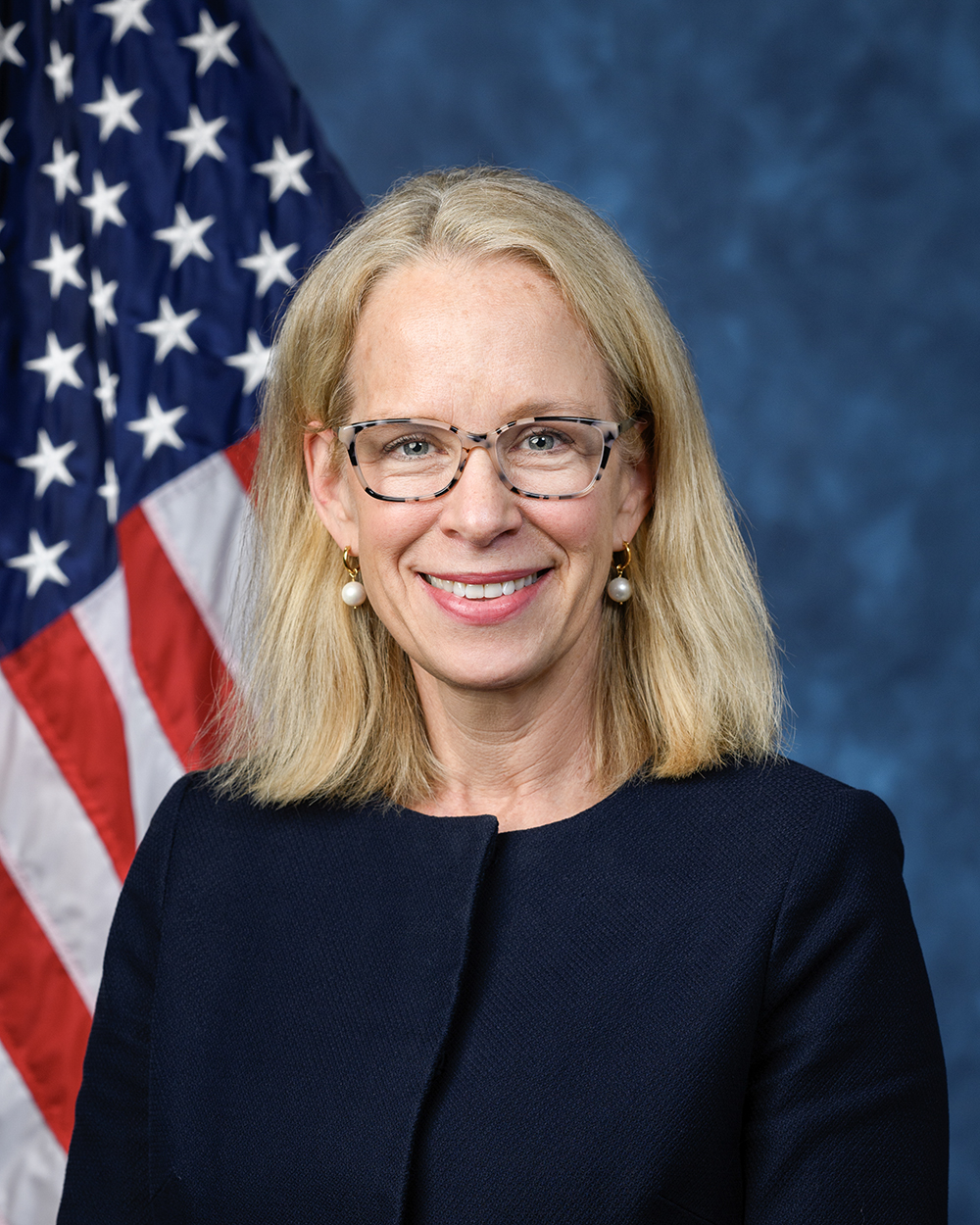
Rep. Kelly Morrison
Sponsored bills
Maddy summaryThis bill establishes federal protections and funding to expand access to in vitro fertilization and intrauterine insemination for individuals, military service members, and veterans. It requires most private health plans, Medicaid programs, and Medicare to cover these fertility treatments without imposing higher cost-sharing than other medical services. Additionally, the legislation mandates that the Department of Defense and the Department of Veterans Affairs provide specific fertility preservation and treatment benefits to uniformed service members and eligible veterans. The bill also includes preemption clauses that override state laws restricting these procedures and prohibits discrimination based on marital status, sex, or sexual orientation in the provision of care.
Maddy summaryThis bill reauthorizes funding for the C.W. Bill Young Cell Transplantation Program, setting $31 million for fiscal year 2025 and $33 million annually for fiscal years 2027-2031. It also extends the deadline for the national cord blood inventory program from 2026 to 2031. The legislation directly affects stem cell research programs and cord blood banks by maintaining federal funding levels and prolonging the inventory program’s timeline. These provisions ensure continuity for existing research infrastructure and blood bank operations without introducing new policy changes.
Maddy summaryThe Patients First Act of 2026 modifies how Medicare reimburses physicians and primary care providers to improve access and stabilize payments. It establishes a new hybrid payment model for primary care services from 2027 to 2031, which pays a monthly fee per patient to eligible independent practices while covering specific services like care management and telehealth without cost-sharing for patients. The bill also updates the formula for calculating reimbursement rates to account for high inflation years and requires more frequent updates to the costs used in calculating payments. Additionally, the legislation reforms the performance-based payment system by adding care efficiency measures, creating a task force to recommend new quality metrics, and adjusting penalties for providers who fail to report on certain data.
Maddy summaryThis bill requires Medicare Advantage plans to implement electronic pre-approval systems for medical services by 2028 and meet transparency reporting standards starting in 2027. Plans must publicly report data on approval/denial rates, appeal outcomes, response times, and technology use for pre-approval requests, including details on how denials relate to clinical criteria. It establishes a 24-hour response timeframe for certain requests and mandates annual reviews of pre-approval requirements based on data and input from seniors and providers. The law directly affects Medicare Advantage plans, seniors enrolled in these plans, and healthcare providers who submit pre-approval requests. These changes aim to make the pre-approval process faster, more transparent, and more accountable for seniors seeking covered medical services.
Maddy summaryThe Voter Choice Act establishes a federal program to assist states and local governments in transitioning to ranked choice voting systems for elections. Under this bill, the Election Assistance Commission would provide technical support and financial grants to help jurisdictions acquire necessary equipment, design ballots, and create educational materials for voters. Grants awarded through this program are capped at 50 percent of project costs and must be distributed across a diverse range of geographic areas and population types. The legislation authorizes $40 million in funding for fiscal year 2027 to support these transition efforts.
Maddy summaryThe Find Our Families Act of 2026 requires the Department of Homeland Security to create a public online system that allows families to locate individuals detained by Customs and Border Protection or Immigration and Customs Enforcement. This system must provide search results within eight hours of detention, display information in multiple languages, and include specific details such as names, dates of birth, and facility locations, while excluding data for minors. The bill also mandates that families be notified within five hours if a detainee is transferred for medical care and establishes new reporting requirements for CBP arrests, including details on the circumstances of the arrest and the number of agents involved. Additionally, the legislation creates a process for families to report errors in detainee information and imposes penalties on employees or contractors who fail to comply with these data-sharing and reporting obligations.
Maddy summaryThe Let Doctors Provide Reproductive Health Care Act prohibits states and officials from restricting or penalizing health care providers and their staff for offering reproductive health services that are legal within the state where they are performed. It establishes a federal right for providers to assist patients regardless of where those patients live and allows attorneys general to sue states that enforce such restrictions, including stripping states of legal immunity in these cases. To support this framework, the bill appropriates $40 million each for legal defense grants to help providers navigate lawsuits and $40 million for security grants to improve physical and cyber safety at medical facilities. Additionally, the legislation requires insurance companies to offer professional liability coverage to providers without discrimination based on the reproductive services they provide.
Maddy summaryThe SAFE Training for OB-GYNs Act creates a new federal grant program to help medical residents who must leave their home states to receive training in reproductive health care due to local abortion restrictions. Funded with up to $10 million annually from 2027 to 2031, these grants support residency programs that offer specialized training in sexual and reproductive health, including abortion care. The funding can be used to expand existing programs or establish new ones specifically for out-of-state residents and to cover their travel expenses. This legislation directly affects health care professionals seeking specialized training and the medical residency programs that provide it.
Maddy summaryThe Reproductive Health Care Training Act of 2026 authorizes $25 million over five years to fund a program that provides grants to health schools and clinics for expanding abortion care training. These funds are specifically designated for institutions located in states where comprehensive abortion training is legal, with a priority on serving minority-serving schools and those training students from medically underserved areas. The program supports activities such as developing clinical curricula, utilizing telehealth, recruiting diverse healthcare workers, and offering scholarships to students pursuing this specialized training. Recipients must submit annual reports on program performance while ensuring federal funds supplement, rather than replace, existing state and private resources.