

Maddy summaryThis bill establishes new procedural safeguards for the Internal Revenue Service when conducting tax inquiries or examinations of universities, requiring high-level Treasury approval based on reasonable belief that a university may not qualify for tax-exempt status. It mandates that the IRS provide written notice to the institution before beginning an inquiry and at least 15 days before starting a formal examination, offering the university the opportunity to hold a conference to discuss concerns. The legislation imposes strict time limits, requiring inquiries to be completed within 90 days and examinations within two years, while also restricting the ability to re-examine a university for five years if no significant tax issues are found. Additionally, it requires the Secretary of the Treasury to submit confidential reports to congressional committees detailing any new university tax investigations.
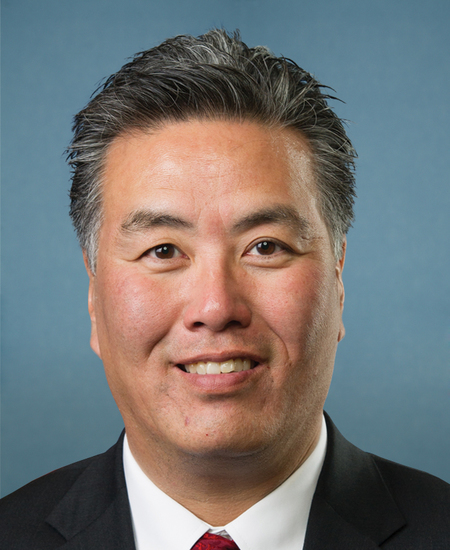
Rep. Mark Takano
Sponsored bills
Maddy summaryThe Thirty-Two Hour Workweek Act amends the Fair Labor Standards Act to establish a new standard for overtime pay, requiring employers to pay time-and-a-half for hours worked beyond thirty-two hours per week. The bill also introduces daily overtime rules that mandate premium pay for workdays exceeding eight or twelve hours. To allow businesses to adjust, the law phases in the weekly overtime threshold over four years, starting at thirty-eight hours and decreasing by two hours each year until it reaches thirty-two. Employers are prohibited from reducing an employee's total compensation or benefits as a result of these new coverage requirements.
Maddy summaryThe Fairness for Farm Workers Act amends the Fair Labor Standards Act to end the long-standing exemption that allows agricultural workers to be denied overtime pay. The bill introduces a phased schedule requiring employers to pay farm workers time-and-a-half for hours worked beyond a set threshold, which gradually decreases from 55 hours in 2027 to the standard 40 hours by 2030. Small farms with 25 or fewer employees are given a three-year delay, reaching full compliance by 2033. Additionally, the legislation removes several other exemptions that currently allow agricultural employers to bypass federal wage and hour protections.
Maddy summaryThe SIMPLE Act requires the Department of Education to automatically enroll borrowers who are at least 75 days delinquent on federal student loans into the income-driven repayment plan that offers them the lowest monthly payment. To facilitate this, the bill authorizes the use of IRS tax return data to determine a borrower's income and family size without requiring additional action from the borrower, provided they have approved such disclosure or are applying for loan rehabilitation. The legislation also establishes specific notification procedures at 31 days of delinquency and mandates that borrowers rehabilitating defaulted loans be placed in the most favorable repayment plan after making their ninth required payment. These automatic enrollment provisions take effect on July 1, 2028, while changes allowing borrowers to switch between repayment plans become effective immediately upon enactment.
This bill designates the facility of the United States Postal Service located at 15642 Sand Canyon Avenue in Irvine, California, as the "Mary Kageyama Nomura Post Office Building".
Maddy summaryThis House resolution supports the designation of August 17 through August 23, 2026, as Warehouse Worker Recognition Week to honor over 1.8 million employees in the logistics industry. The bill highlights the critical role these workers play in the U.S. economy and supply chain while acknowledging the challenging conditions they face, such as extreme heat and long hours. It encourages increased public awareness of their contributions and commits lawmakers to collaborating on efforts to reduce workplace injuries and better support these front-line employees.
Maddy summaryThe Affordable Pricing for Taxpayer-Funded Prescription Drugs Act of 2026 requires federal agencies to include reasonable pricing clauses in all research grants and contracts involving biomedical products. Under this provision, U.S. residents cannot be charged more than the median price found in Canada and six other high-income OECD countries for any drug, device, or therapy developed with federal support. The Secretary of Health and Human Services is authorized to establish additional regulations, such as mechanisms to lower prices when revenues exceed targets or costs per health benefit are too high, while retaining the ability to waive these obligations if doing so serves the public interest. To ensure accountability, manufacturers must report clinical trial costs, government subsidies, and annual revenues by county, with all data made publicly available.
Maddy summaryThe Green New Deal for Public Housing Act directs the Department of Housing and Urban Development to provide grants to public housing agencies and tribal entities for the comprehensive rehabilitation, energy upgrades, and modernization of public housing stock. These funds are intended to transform properties into zero-carbon homes by installing renewable energy systems, electrifying appliances, and repairing infrastructure, while also establishing workforce development programs that offer training, apprenticeships, and stipends to residents and local low-income workers. The bill mandates strict labor standards, including prevailing wages and the use of U.S.-made materials, and requires agencies to maintain or increase the total number of public housing units while prioritizing resident participation through elected councils and community engagement processes.
Maddy summaryThe Protect American Values Act prohibits the use of federal funds to implement, administer, or enforce a specific Department of Homeland Security rule regarding the "Public Charge" ground of inadmissibility. This legislation directly affects immigrants and mixed-status families by preventing the government from using public benefits as a factor in determining eligibility for lawful permanent resident status. The bill includes a statement of congressional intent arguing that the targeted rule would restrict access to essential services like food, medical care, and housing, while also negatively impacting state and local economies. By cutting off funding for this specific policy, the act aims to maintain current immigration standards and prevent what Congress describes as an unauthorized reversal of long-standing law.
This bill designates the facility of the United States Postal Service located at 6444 San Fernando Road in Glendale, California, as the "Paul Ignatius Post Office".