

Home Georgia Committees Veterans' Affairs Committee
Joint Committee
Committee

Veterans' Affairs Committee

Roster

Members · 25

Legislation

Recent bills · 5

in committee · Georgia · House Sep 1, 2026

HR 10212: PEPTIDES for Veterans Act

The PEPTIDES for Veterans Act directs the Secretary of Veterans Affairs to review existing federal regulations regarding peptides and submit a report within 180 days that establishes specific definitions for peptides and peptide-based therapies. Following this initial review, the Department must conduct an 18-month study on the safety and efficacy of these treatments for veterans, focusing on conditions such as chronic pain, mental health, and rehabilitation needs. If the study concludes that these therapies should be made available, the Secretary is required to launch a pilot program lasting up to five years to evaluate their effectiveness in real-world clinical settings. The bill ultimately aims to determine whether peptide-based therapies can be integrated into standard care for veterans based on the findings from the mandated research and pilot evaluation.
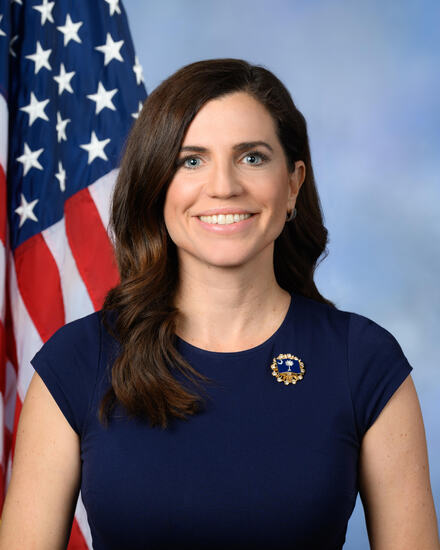
Nancy Mace (R)
in committee · Georgia · House Sep 1, 2026

HR 10213: To name the community-based outpatient clinic of the Department of Veterans Affairs in Medina County, Ohio, as the "Leland John Codding VA Clinic".

This bill designates the Department of Veterans Affairs community-based outpatient clinic located in Medina County, Ohio, as the "Leland John Codding VA Clinic." It requires that all future legal and official references to this specific facility use its new name.
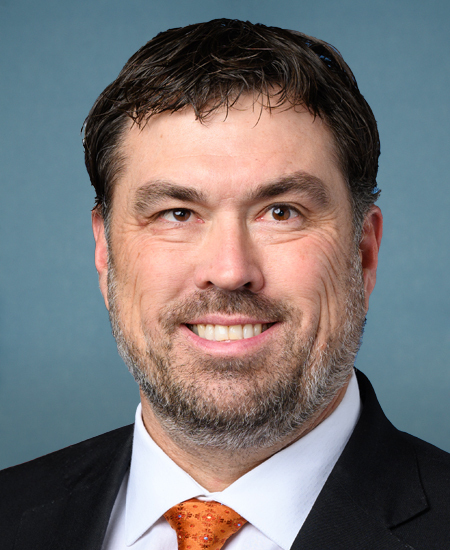
Max L. Miller (R)
in committee · Georgia · House Aug 27, 2026

HR 10172: To amend title 38, United States Code, to extend eligibility for survivors' and dependents' educational assistance to the dependent parent of a person who dies of a service-connected disability or has a total and permanent service-connected disability, and for other purposes.

This bill expands access to educational assistance benefits by adding dependent parents to the list of eligible recipients under the Survivors' and Dependents' Educational Assistance program. Eligibility is granted to the parent of a service member who dies from a service-connected disability or is rated as totally and permanently disabled due to a service-connected condition. The legislation includes technical amendments to ensure these new beneficiaries are properly recognized in rules regarding when benefits end, how long they last, and how correspondence course payments are processed.
in committee · Georgia · House Aug 27, 2026

HR 10160: Vet CENTERS for Mental Health Act of 2026

The Vet CENTERS for Mental Health Act of 2026 requires the Secretary of Veterans Affairs to ensure that every state meets a specific minimum number of mental health treatment centers within one year of enactment. For states in the contiguous United States, this minimum is calculated as the greater of one center per 30,000 square miles of land or one center per 55,000 veterans based on census data. Non-contiguous states and territories must maintain at least one center or match their existing count from January 1, 2020, whichever is higher. To achieve these targets, the Secretary may open new facilities using buildings provided by state, local, or tribal governments, and can establish outstations in place of full centers if multiple additional sites are needed in a single state.
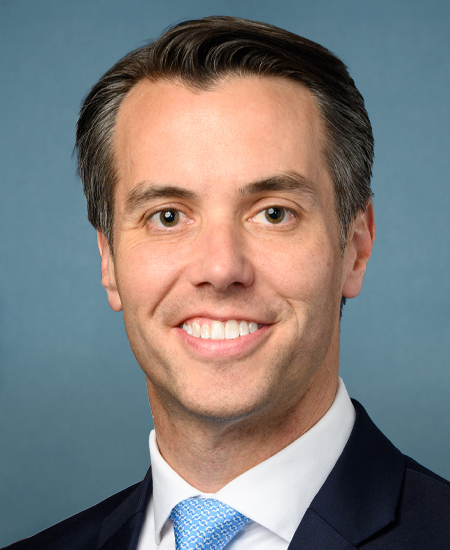
Thomas H. Kean, Jr. (R) · 4 co-sponsors
in committee · Georgia · House Aug 3, 2026

HR 10037: Virtual-Based Opioid Treatment for Veterans Act

The Virtual-Based Opioid Treatment for Veterans Act directs the Department of Veterans Affairs to launch a two-year pilot program aimed at expanding access to virtual opioid treatment for enrolled veterans who face barriers to in-person care. This initiative requires the VA to conduct outreach, build referral networks, and coordinate with other federal agencies to connect veterans with telehealth programs that combine medication and counseling in a single visit. The bill also mandates a study on treatment barriers and requires annual reports to Congress on the program's progress until the opioid crisis is no longer considered a public health emergency.
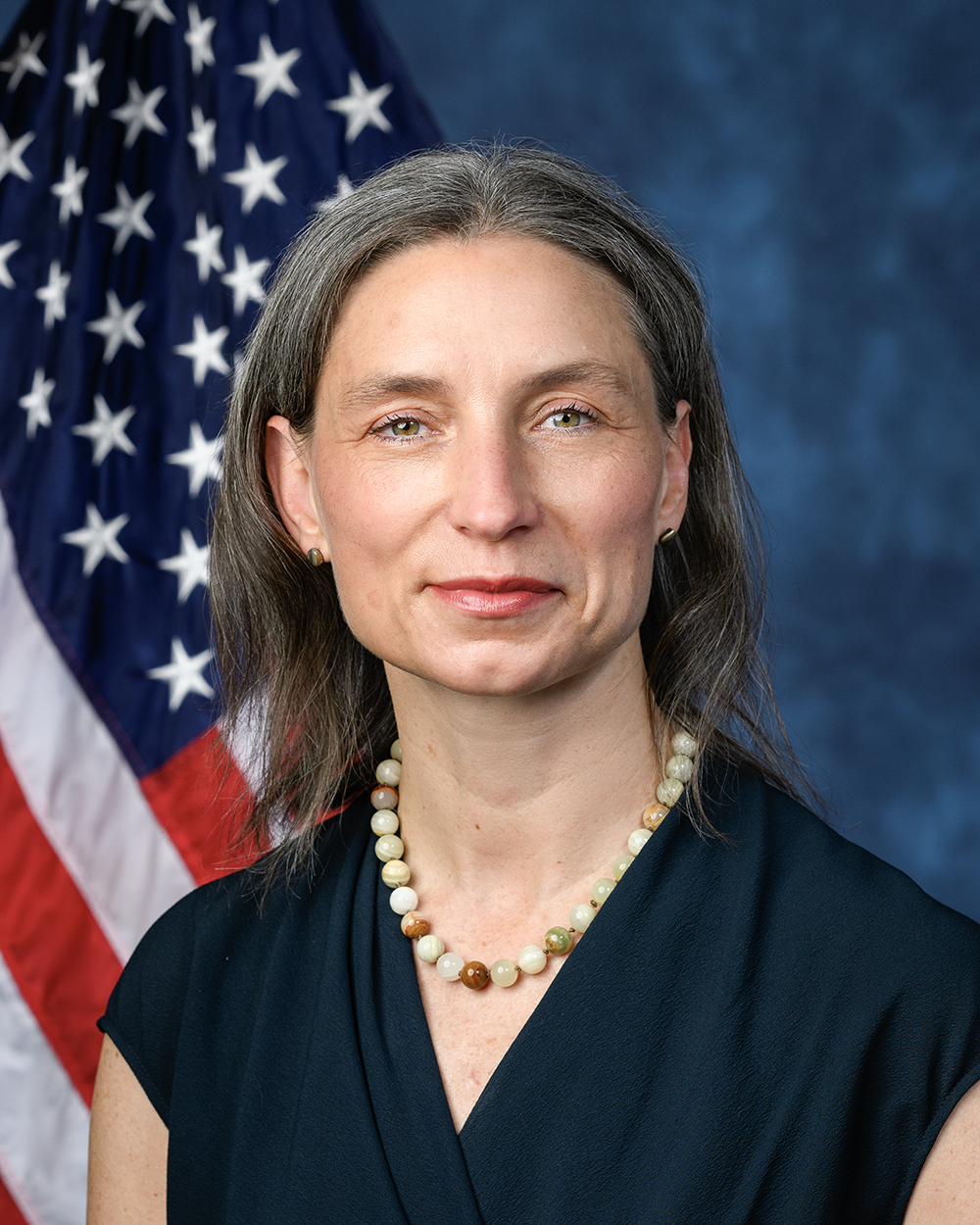
Deborah K. Ross (D) · 2 co-sponsors