SB 548 Florida Senate · 2026 Regular Session

Growth Management

Summary
Growth Management; Providing requirements for coordination mechanisms that are required for certain agreements required as part of the intergovernmental coordination element of a comprehensive plan; requiring that certain interlocal agreements use a plan-based methodology for a certain purpose; requiring that certain capacity standards be specified in a certain impact fee study; requiring that a demonstrated-need study be accompanied by a certain declaration; prohibiting local governments, school districts, and special districts from using certain data for a specified purpose, etc.
Bill status died 1 of 4 stages cleared
Introduction
Jan 2026
Committee Review
Floor Vote
Governor
Introduced Jan 13, 2026 Last action Mar 13, 2026
Maddy AI version diff · 1 comparison

What changed between versions

S 548 Filed S 548 c1 · 7 edits
MODERATE
The bill was revised from a filed version to a committee substitute, significantly expanding its scope to include intergovernmental coordination requirements for comprehensive plans and adding protections for overpaid impact fees. The revision also tightens restrictions on how local governments can increase impact fees by requiring unanimous votes instead of supermajorities and extending the phase-in period for fee increases to four years instead of two. Additionally, the definition of 'plan-based methodology' was updated to cover a 10-year projection period rather than five.
Scope change
The bill's scope expanded to cover intergovernmental coordination elements in comprehensive plans and to include special districts alongside local governments and school districts regarding impact fee restrictions and refund obligations.
DEFINITION

Changed the 'plan-based methodology' requirement from a 5-year growth projection to a 10-year projection.

REQUIREMENT

Added new requirements for comprehensive plans to include an intergovernmental coordination element and establish joint planning processes with other local entities.

Changed the voting threshold for approving impact fee increases from a two-thirds unanimous vote to a simple unanimous vote.

Added a requirement that demonstrated-need studies must include a declaration specifying how the fee increase will be used to build or purchase capacity improvements.

ELIGIBILITY

Expanded the entities subject to impact fee restrictions to include special districts, in addition to local governments and school districts.

TIMELINE

Extended the maximum timeframe for phasing in impact fee increases from two years to four years.

ENFORCEMENT

Added a requirement for local governments to issue refunds with interest to petitioners who overpaid impact fees due to improper assessment.

Floor votes

How they voted

No floor votes recorded yet.
Full legislative history

Actions timeline

Total actions
9
Key actions
2
Committee
3
Jan 22, 2026
Upper · Passed
Pending reference review under Rule 4.7(2) - (Committee Substitute)
upper
Jan 15, 2026
Upper · Passed
On Committee agenda-- Community Affairs, 01/20/26, 1:00 pm, 37 Senate Building
upper
Jan 13, 2026
Introduced
Introduced
upper
Dec 9, 2025
Committee
Referred to Community Affairs; Finance and Tax; Rules
upper
1 primary · 0 co-sponsors

Sponsors

Role
Legislator
Party
State
District
P
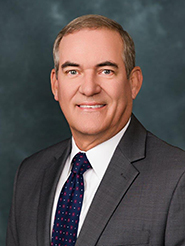
Photo of Stan McClain
Stan McClain
RRepublican
FL
9