

AN ACT TO AMEND TITLE 29 OF THE DELAWARE CODE RELATING TO THE OFFICE OF CORRECTIONS OMBUDSPERSON.
Summary
This Act creates the Office of Corrections Ombudsperson (Ombudsperson or Office) within the Department of Justice. The purpose of the Ombudsperson is to do all of the following: 1. Provide information to inmates and their families. 2. Promote public awareness and understanding of the rights and responsibilities of inmates. 3. Identify systemic problems and recommend solutions. 4. Ensure compliance with relevant laws, rules, and policies pertaining to correction facilities, services, and treatment of inmates. Under this Act, the Ombudsperson may investigate and attempt to resolve any situation if the health, safety, welfare, or a right of an inmate of the Department of Correction (Department) may be adversely affected by any of the following: 1. Abuse or neglect. 2. A Department decision or administrative action. 3. A Department inaction or omission. 4. A Department policy, rule, or procedure. 5. A violation of law. The Ombudsperson may not investigate a complaint relating to an inmate’s underlying criminal conviction or complaints from employees that relate to their employment relationship with the Department, unless the complaint is directly related to the health, safety, welfare, or a right of an inmate. An individual may file a complaint with the Ombudsperson whether or not the individual pursued resolution of the complaint through the internal grievance, administrative, or appellate procedures within the Department. The Ombudsperson shall treat all matters under investigation, including the identities of recipients of Ombudsperson services, complainants, and individuals from whom information is acquired, as confidential, except as far as disclosures may be necessary to enable the Ombudsperson to perform the duties of the Office and to support any recommendations resulting from an investigation. To the extent the Ombudsperson reasonably believes necessary, the Ombudsperson may reveal information obtained in the course of providing Ombudsperson services for any of the following purposes: 1. To prevent reasonably certain death or substantial bodily harm. 2. To prevent the commission of a crime. 3. To report an alleged commission of a crime to the appropriate law-enforcement agency. At the conclusion of an investigation of each complaint, the Ombudsperson must issue a public decision on the merits of the complaint, but the public decision must not contain documents that are confidential, including personnel matters. Before announcing a conclusion or recommendation that expressly, or by implication, criticizes an employee of the Department or the Department, the Ombudsperson shall consult with the Department, and as appropriate, that individual or contractor. While the Law-Enforcement Officers’ Bill of Rights (LEOBOR) does not cover correctional officers or employees of the Department, this Act provides that if a provision of this subchapter conflicts with LEOBOR, the requirements of this subchapter apply. The Ombudsperson may request to be notified by the Department, within a time specified, of any action taken on any recommendation presented. The Ombudsperson must notify the complainant, and the inmate if the inmate is not the complainant, of the actions taken by the Department in response to the Ombudsperson’s recommendations. This Act provides that a Department employee may not be subject to disciplinary action based solely on an investigation under this subchapter if the individual’s conduct was in compliance with Department policies and procedures at the time of the conduct. This Act also requires that the Ombudsperson produce an annual report that contains all of the following: 1. The number of complaints received and the number of complaints resolved. 2. A description of significant systemic or individual investigations or outcomes achieved by the Ombudsperson during the prior year. 3. Any outstanding or unresolved concerns or recommendations of the Ombudsperson. 4. Input and comments from stakeholders, including the Council on Correction, regarding the Ombudsperson’s activities during the prior year.
Bill status
in committee
1 of 4 stages cleared
Introduction
Apr 2022
Committee Review
Floor Vote
Governor
Introduced Apr 28, 2022
Last action May 17, 2022
Floor votes
How they voted
No floor votes recorded yet.
Full legislative history
Actions timeline
Total actions
2
Key actions
0
Committee
0
Amendments
1
May 17, 2022
Introduced
Amendment SA 1 to SB 150 - Introduced and Placed With Bill
upper
Apr 28, 2022
Introduced
Introduced and Assigned to Corrections & Public Safety Committee in Senate
upper
3 primary · 19 co-sponsors
Sponsors
Role
Legislator
Party
State
District
P

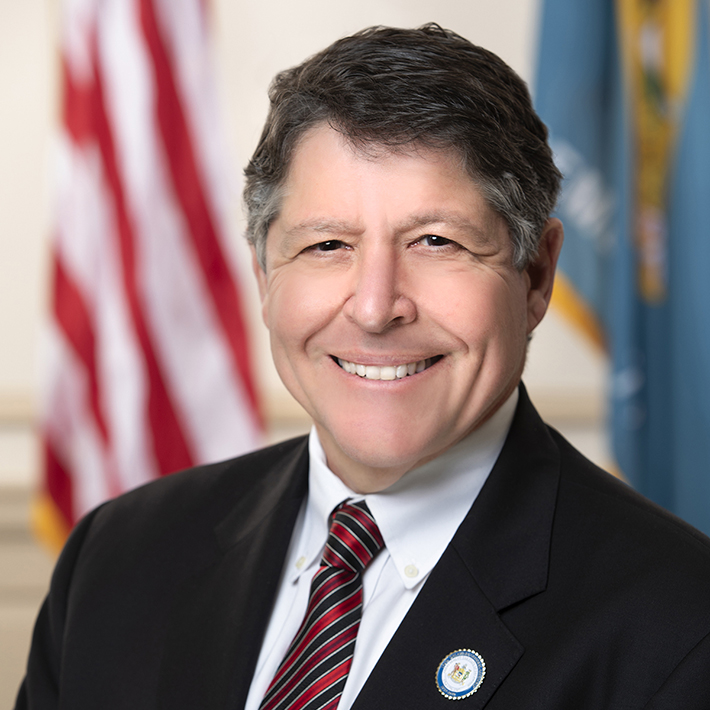
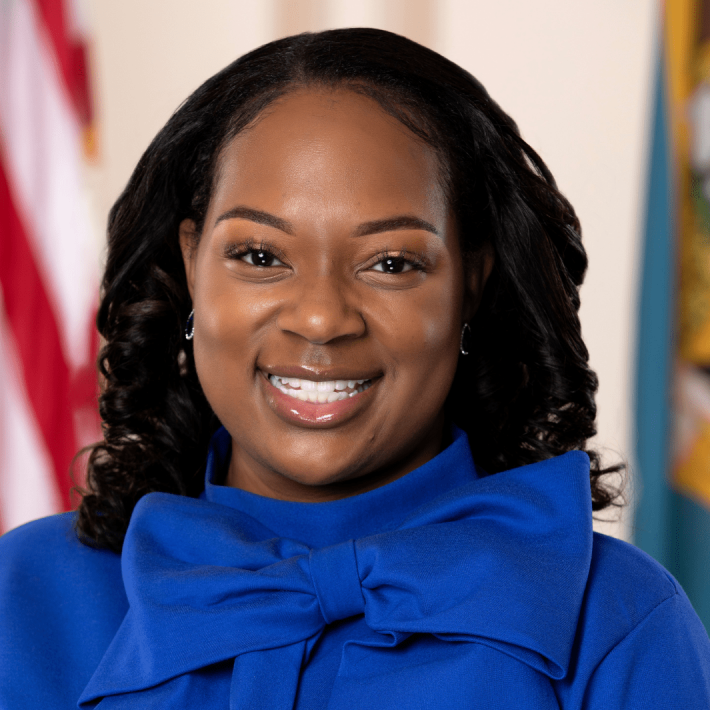
Marie Pinkney
DDemocratic
P

Melissa Minor-Brown
DDemocratic
P
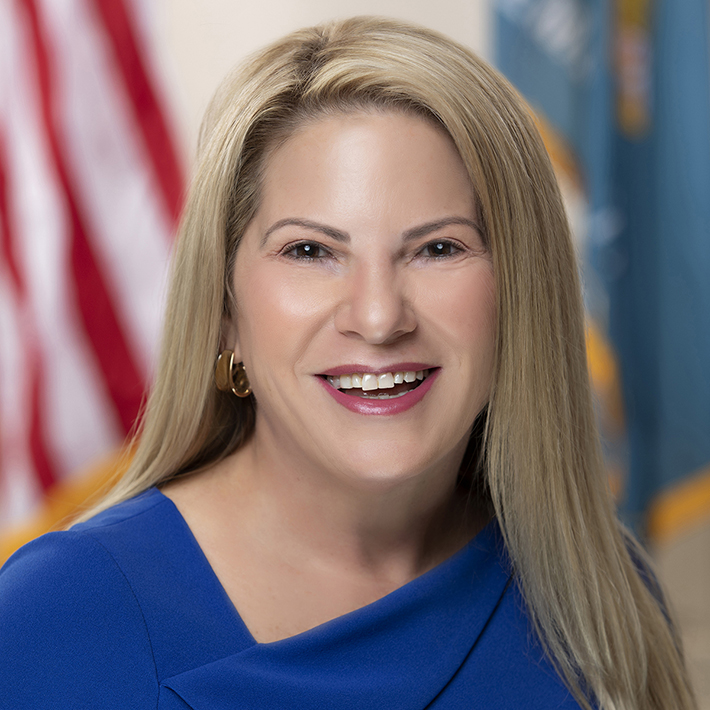
Val Longhurst
DDemocratic
Co

Bryan Townsend
DDemocratic
Co

Dave Sokola
DDemocratic
Co
DB
David Bentz
DDemocratic
Co

Debra Heffernan
DDemocratic
Co

Eric Morrison
DDemocratic
Co

Jack Walsh
DDemocratic
Co
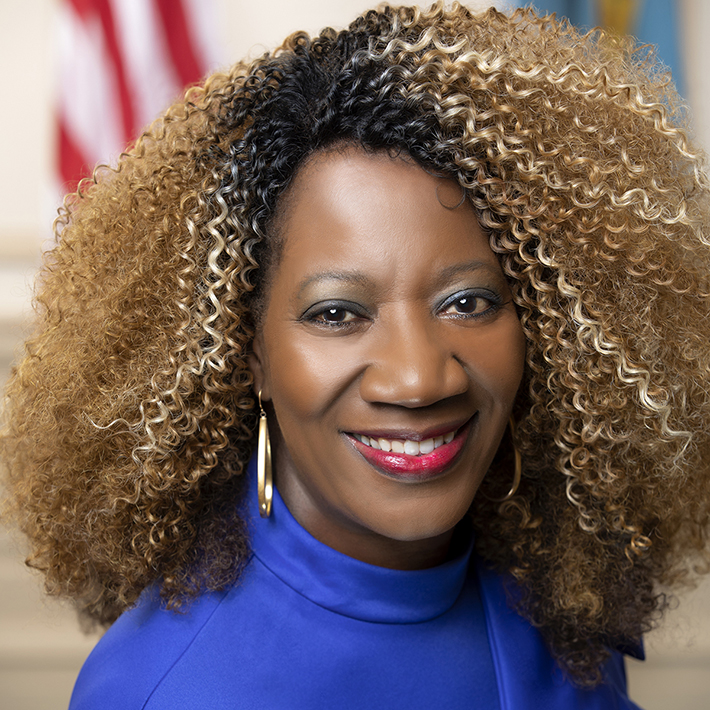
Kendra Johnson
DDemocratic
Co

Krista Griffith
DDemocratic
Co

Kyle Gay
DDemocratic
Co

Larry Lambert
DDemocratic





Ask Maddy
·
AI policy assistant
Ask Maddy about SB 150
Scope: DE
Hi! I can help you understand SB 150. What would you like to know?
Try one of these
i
Maddy answers using official bill text and legislative records. Always verify before sharing.
Sources cited inline