

AN ACT TO AMEND TITLE 29 OF THE DELAWARE CODE RELATING TO THE PUBLIC ATTORNEY STUDENT LOAN REPAYMENT PROGRAM.
Summary
According to a survey conducted by the American Bar Association, 90 percent of early-career lawyers have student loans, averaging $130,000. The same survey found that Black borrowers accumulated more debt to obtain their law degree compared to other borrowers of other racial/ethnic backgrounds, and that most young lawyers who borrowed for their education reported that their debt caused them to delay or forego pursuing traditional life milestones, such as purchasing a home, marriage, and starting a family. According to the survey, an overwhelming majority of borrowers – roughly 80 percent – indicated their debt influenced their choice of job or career in some way. Most borrowers reported that salary factored more heavily into their job selection than anticipated. Nearly a third of the sample indicated their position was less focused on public service or doing good than intended when they started law school. In Delaware, the Office of Defense Services, and the Department of Justice, the primary employers of attorneys working for the state, found that student loan debt was an enormous burden. Attorneys reported monthly payments between $500 and $1,000 and debts exceeding $100,000. The student loan crisis, coupled with sizable salary pay gaps between the state and private sector, has created recruitment and retention issues in the legal sector of state government and has made it difficult to provide improved access to justice. This Act establishes a Student Loan Repayment Program for attorneys employed with the State of Delaware working as attorneys. The program allows qualified applicants to apply for a payment from the State to the applicant’s lending agency to pay a portion of the applicant’s student loan debt. The purpose of the program is to improve recruitment and retention for legal service providers at a time when the state is having difficulty attracting attorneys passionate about public service. The amount of the award shall be no less than $2,500 and no more than $5,000 annually for 10 years. There is a salary cap of $110,000. The program will be administered by the Criminal Justice Council and overseen by a committee of stakeholders in the state’s legal system.
Bill status
signed
all 5 stages cleared
Introduction
Mar 2022
Committee Review
Jun 2022
House Passage
Jun 2022
Senate Passage
Jun 2022
Signed into Law
Oct 2022
Introduced Mar 31, 2022
Signed Oct 24, 2022
Floor votes · House Jun 16, 2022
How they voted
This bill passed the Senate by voice vote (no roll call recorded).
Full legislative history
Actions timeline
Total actions
13
Key actions
8
Committee
4
Amendments
2
Oct 24, 2022
Signed into law
Signed by Governor
executive
Jun 29, 2022
Upper · Passed
Passed By Senate. Votes: 17 YES 4 NO
upper
Jun 28, 2022
Upper · Passed
Reported Out of Committee (Finance) in Senate with 4 On Its Merits
upper
Jun 22, 2022
Introduced
Assigned to Finance Committee in Senate
upper
Jun 22, 2022
Upper · Passed
Reported Out of Committee (Judiciary) in Senate with 2 Favorable, 2 On Its Merits
upper
Jun 16, 2022
Introduced
Assigned to Judiciary Committee in Senate
upper
Jun 16, 2022
Lower · Passed
Passed By House. Votes: 31 YES 9 NO 1 ABSENT
lower
Jun 16, 2022
Lower · Passed
Amendment HA 1 to HB 380 - Passed In House by Voice Vote
lower
Jun 9, 2022
Lower · Passed
Reported Out of Committee (Appropriations) in House with 6 On Its Merits
lower
Jun 2, 2022
Introduced
Amendment HA 1 to HB 380 - Introduced and Placed With Bill
lower
Apr 7, 2022
Introduced
Assigned to Appropriations Committee in House
lower
Apr 7, 2022
Lower · Passed
Reported Out of Committee (Judiciary) in House with 6 Favorable
lower
Mar 31, 2022
Introduced
Introduced and Assigned to Judiciary Committee in House
lower
4 primary · 9 co-sponsors
Sponsors
Role
Legislator
Party
State
District
P
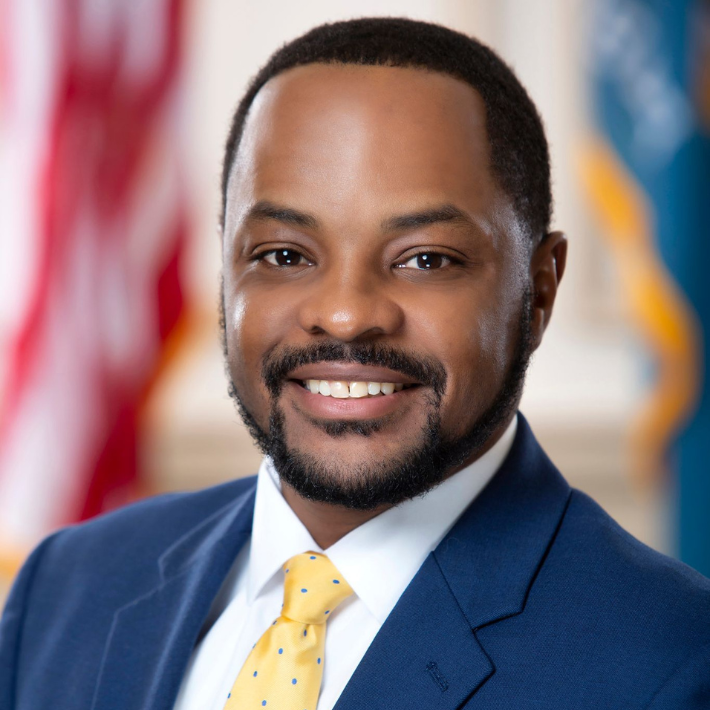
Darius Brown
DDemocratic
P
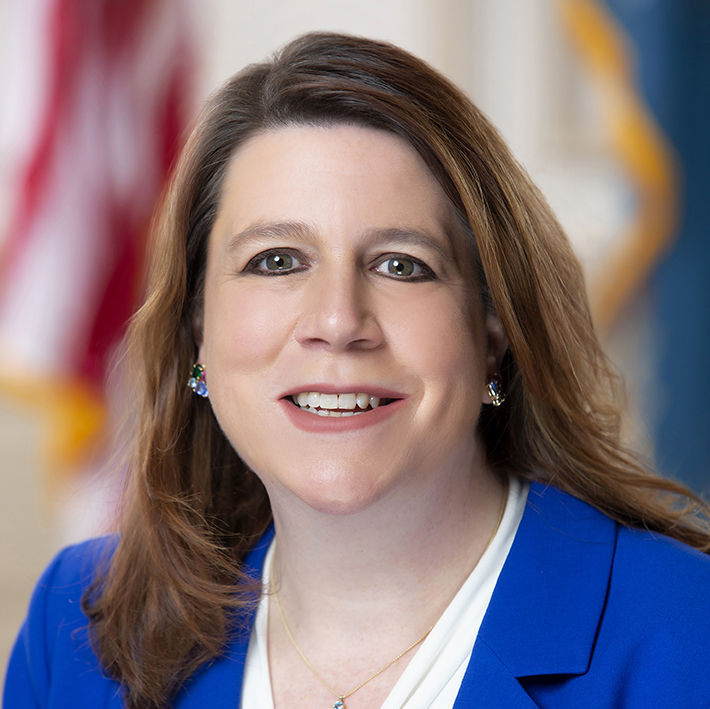
Krista Griffith
DDemocratic
P

Kyle Gay
DDemocratic
P
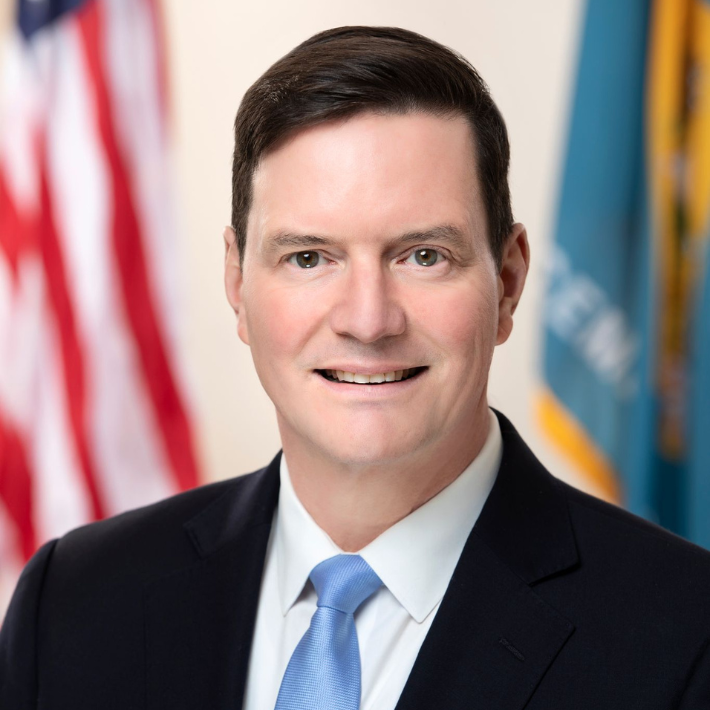
Trey Paradee
DDemocratic
Co
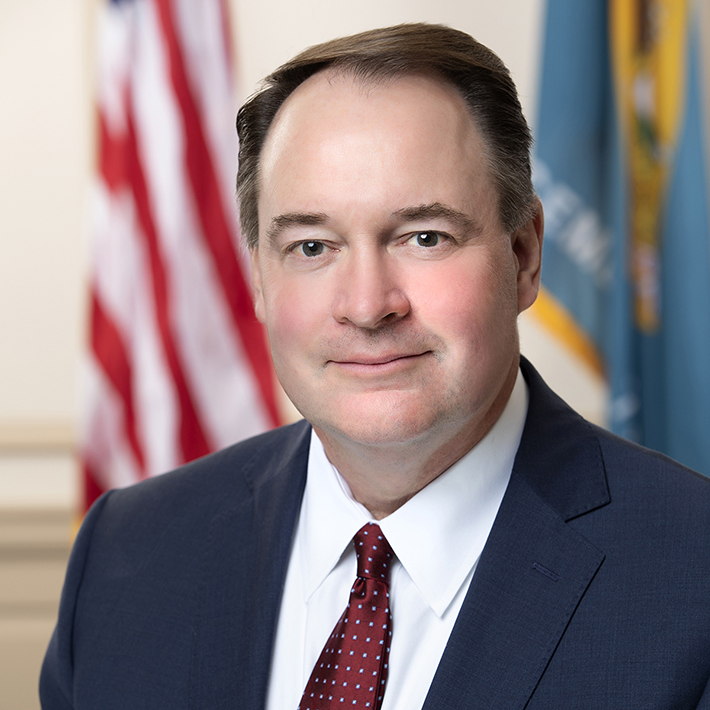
Bill Bush
DDemocratic
Co
Bryan Townsend
DDemocratic
Co
EB
Ernesto B. Lopez
RRepublican
Co
Larry Lambert
DDemocratic
Co

Marie Pinkney
DDemocratic
Co
Ron Gray
RRepublican
Co

Sherry Dorsey Walker
DDemocratic
Co
Stephanie Hansen
DDemocratic
Co
SS
Stephen Smyk
RRepublican
Ask Maddy
·
AI policy assistant
Ask Maddy about HB 380
Scope: DE
Hi! I can help you understand HB 380. What would you like to know?
Try one of these
i
Maddy answers using official bill text and legislative records. Always verify before sharing.
Sources cited inline