

AN ACT TO AMEND TITLES 10 AND 11 OF THE DELAWARE CODE RELATING TO PROTECTIVE ORDERS FOR VICTIMS OF SEXUAL VIOLENCE.
Summary
This Act permits a person who has been the victim of non-consensual sexual conduct or non-consensual sexual penetration to apply for a sexual violence protective order if the person has a reasonable fear, based on specific conduct occurring contemporaneously or subsequent to the non-consensual sexual conduct or penetration, that the perpetrator of the sexual conduct will harm the petitioner in the future. An ex parte temporary order may be issued if a petitioner proves by a preponderance of the evidence that the respondent poses an immediate and present danger of causing physical injury to the petitioner. The protective order is a civil remedy available whether or not the respondent has been charged with a crime and whether or not the petitioner reported the respondent’s conduct to law enforcement officials. The Act provides for an emergency ex parte hearing as well as a non-emergency hearing in Superior Court. Possible remedies in addition to an order restraining the respondent from any kind of contact with the petitioner include restraining the respondent form going to, or remaining in, the places a petitioner might frequent including home, school, or work. Violation of a sexual violence protective order is punishable as criminal contempt, either as a class A misdemeanor, or Class F felony if contempt of the order results in physical injury, or involved threatened use, or use of, a deadly weapon or firearm. Petitions under the Act must be verified. If any party falsely swears in a petition or hearing under the Act, the person may be liable for a misdemeanor or felony. A sexual violence protection order is available only for petitioners who would not qualify for a protection from abuse order because there is no family or dating relationship between the victim and perpetrator. The Act also makes technical corrections to existing law to make it conform to the Legislative Drafting Manual. The Act takes effect 6 months after its enactment.
Bill status
signed
all 5 stages cleared
Introduction
Jan 2022
Committee Review
Jun 2022
House Passage
Jun 2022
Senate Passage
Jun 2022
Signed into Law
Oct 2022
Introduced Jan 20, 2022
Signed Oct 10, 2022
Floor votes · Senate Jun 23, 2022 · House Jun 7, 2022
How they voted
20–0
Passed
Total votes 20
Jun 23, 2022
D
Democratic13
100% Yea
R
Republican7
100% Yea
Vote distribution
All Yea
All Nay
Mixed
No data
Full legislative history
Actions timeline
Total actions
13
Key actions
8
Committee
4
Amendments
2
Oct 10, 2022
Signed into law
Signed by Governor
executive
Jun 23, 2022
Upper · Passed
Passed By Senate. Votes: 21 YES
upper
Jun 22, 2022
Upper · Passed
Reported Out of Committee (Finance) in Senate with 1 Favorable, 3 On Its Merits
upper
Jun 15, 2022
Introduced
Assigned to Finance Committee in Senate
upper
Jun 15, 2022
Upper · Passed
Reported Out of Committee (Judiciary) in Senate with 1 Favorable, 3 On Its Merits
upper
Jun 7, 2022
Introduced
Assigned to Judiciary Committee in Senate
upper
Jun 7, 2022
Lower · Passed
Passed By House. Votes: 36 YES 1 NO 4 ABSENT
lower
Jun 7, 2022
Lower · Passed
Amendment HA 1 to HS 1 - Passed In House by Voice Vote
lower
Jun 2, 2022
Introduced
Amendment HA 1 to HS 1 - Introduced and Placed With Bill
lower
May 19, 2022
Lower · Passed
Reported Out of Committee (Appropriations) in House with 5 Favorable
lower
Jan 27, 2022
Introduced
Assigned to Appropriations Committee in House
lower
Jan 26, 2022
Lower · Passed
Reported Out of Committee (Judiciary) in House with 2 Favorable, 4 On Its Merits
lower
Jan 20, 2022
Introduced
Adopted in lieu of the original bill HB 264, and Assigned to Judiciary Committee in House
lower
6 primary · 8 co-sponsors
Sponsors
Role
Legislator
Party
State
District
P
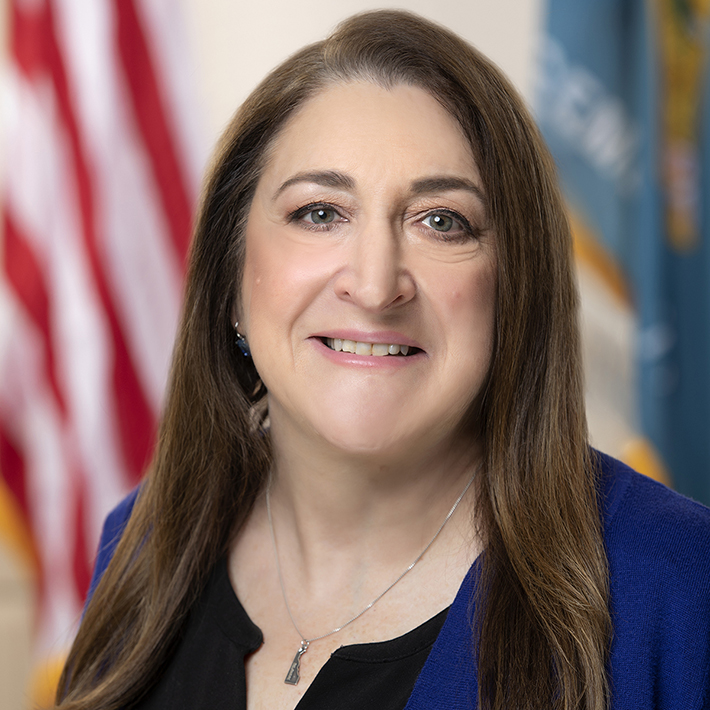
Debra Heffernan
DDemocratic
P

Krista Griffith
DDemocratic
P

Kyle Gay
DDemocratic
P

Nicole Poore
DDemocratic
P

Sherry Dorsey Walker
DDemocratic
P
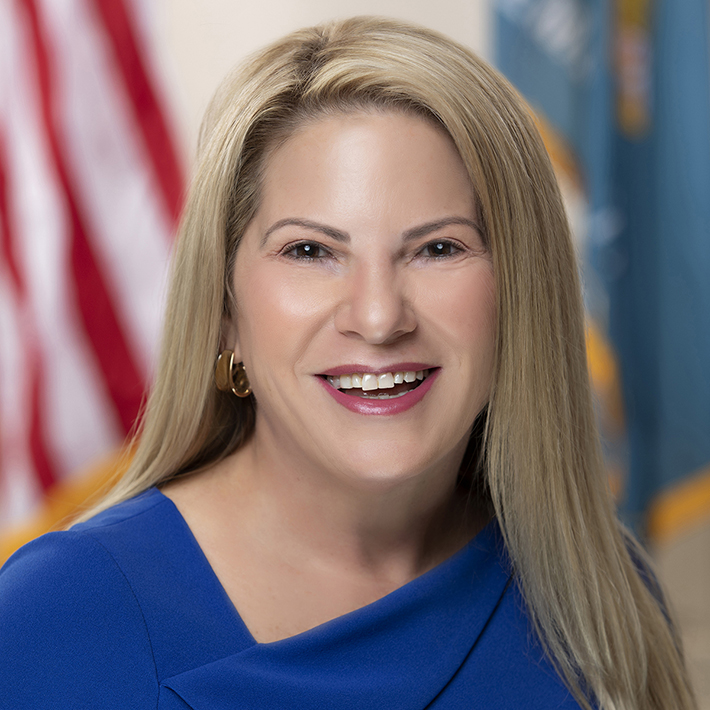
Val Longhurst
DDemocratic
Co

Bill Bush
DDemocratic
Co

Bill Carson
DDemocratic
Co
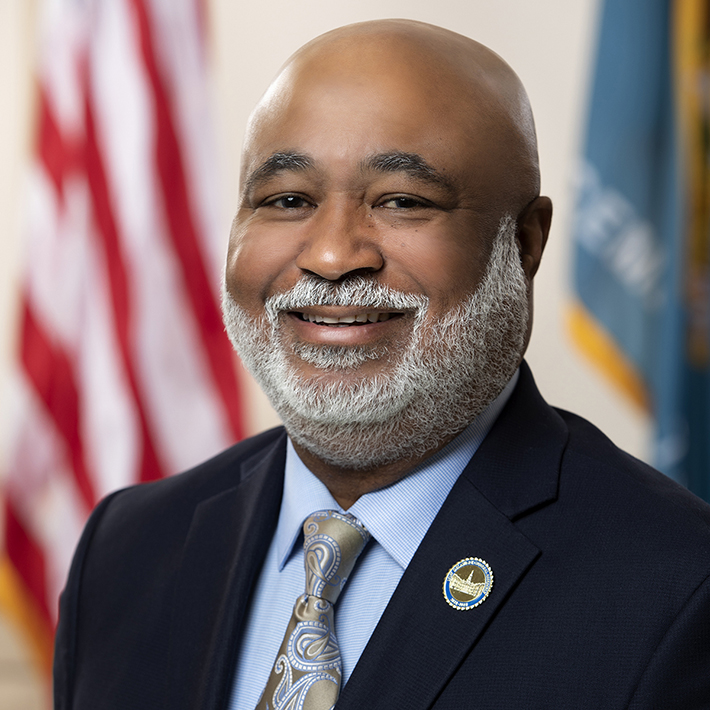
Frank Cooke
DDemocratic
Co
JA
John A. Kowalko
DDemocratic
Co

Kim Williams
DDemocratic
Co

Melissa Minor-Brown
DDemocratic
Co
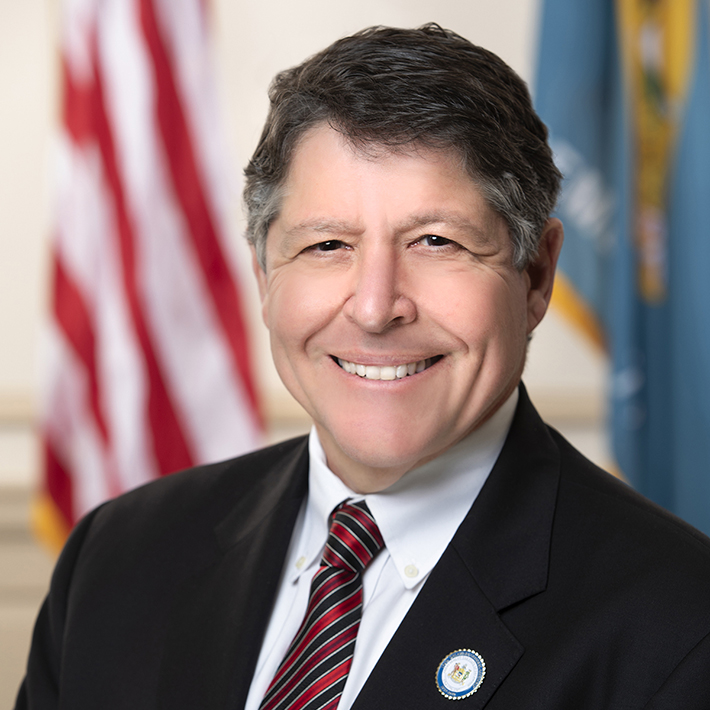
Paul Baumbach
DDemocratic
Co

Stephanie Hansen
DDemocratic
Ask Maddy
·
AI policy assistant
Ask Maddy about HB 264
Scope: DE
Hi! I can help you understand HB 264. What would you like to know?
Try one of these
i
Maddy answers using official bill text and legislative records. Always verify before sharing.
Sources cited inline