

AN ACT TO AMEND TITLE 10 OF THE DELAWARE CODE RELATING TO THE DELAWARE UNIFORM CIVIL REMEDIES FOR UNAUTHORIZED DISCLOSURE OF INTIMATE IMAGES ACT.
Summary
This Act adopts the Uniform Civil Remedies for Unauthorized Disclosure of Intimate Images Act. This Act addresses an increasingly common form of abuse that can cause severe and often irreversible harm: the disclosure of private, sexually explicit images without consent. Much of the abuse is carried out electronically through internet websites, social media, email, or text messages, making it an interstate problem that is particularly suited for treatment by uniform state laws. This Act provides a uniform, comprehensive, clear, fair, and constitutionally sound definition of this harmful conduct and remedies for the harm it causes. Some intimate images disclosed without consent were originally created with consent or obtained within a confidential relationship. In other cases, the images were originally created or obtained without consent through surreptitious recording devices or other forms of voyeurism, or through theft, computer hacking, coercion, bribery, fraud, or force. Like many existing privacy laws, this Act applies only to sensitive content created or obtained under circumstances in which the individual had a reasonable expectation of privacy. Also similar to existing privacy laws, the Act includes limited exceptions for certain disclosures, including those made in the course of law enforcement, legal proceedings or education, medical treatment, or investigations of misconduct. This Act also includes an exception for disclosures relating to matters of public concern or public interest and disclosures reasonably intended to assist the victim. The Act further notes federal statutory limitations on the liability of providers and users of interactive computer services. The Act is narrowly drafted to avoid imposing liability on a discloser who lacks the requisite awareness of any of these elements: (1) that the image was created or obtained under circumstances in which the individual had a reasonable expectation of privacy or that the image was obtained through theft, bribery, false pretenses, voyeurism, or other wrongful acts, (2) that the individual shown in the image did not consent to the disclosure, or (3) that the individual shown was identifiable.
Bill status
signed
all 5 stages cleared
Introduction
Jun 2019
Committee Review
Jan 2020
Senate Passage
Jan 2020
House Passage
Jun 2020
Signed into Law
Sep 2020
Introduced Jun 19, 2019
Signed Sep 23, 2020
Floor votes · House Jun 29, 2020
How they voted
This bill passed the Senate by voice vote (no roll call recorded).
Full legislative history
Actions timeline
Total actions
9
Key actions
5
Committee
1
Amendments
2
Sep 23, 2020
Signed into law
Signed by Governor
executive
Jun 29, 2020
Lower · Passed
Passed By House. Votes: 41 YES
lower
Jan 30, 2020
Introduced
Assigned to Judiciary Committee in House
lower
Jan 29, 2020
Upper · Passed
Passed By Senate. Votes: 20 YES 1 ABSENT
upper
Jan 29, 2020
Upper · Passed
Amendment SA 1 to SB 169 - Passed By Senate. Votes: 20 YES 1 ABSENT
upper
Jan 22, 2020
Upper · Passed
Reported Out of Committee (Transportation) in Senate with 1 Favorable, 4 On Its Merits
upper
Jan 14, 2020
Introduced
Amendment SA 1 to SB 169 - Introduced and Placed With Bill
upper
Jun 19, 2019
Introduced
Introduced and Assigned to Transportation Committee in Senate
upper
4 primary · 20 co-sponsors
Sponsors
Role
Legislator
Party
State
District
P
AL
Andria L. Bennett
DDemocratic
P

Krista Griffith
DDemocratic
P

Sherry Dorsey Walker
DDemocratic
P

Stephanie Hansen
DDemocratic
Co
AD
Anthony Delcollo
RRepublican
Co
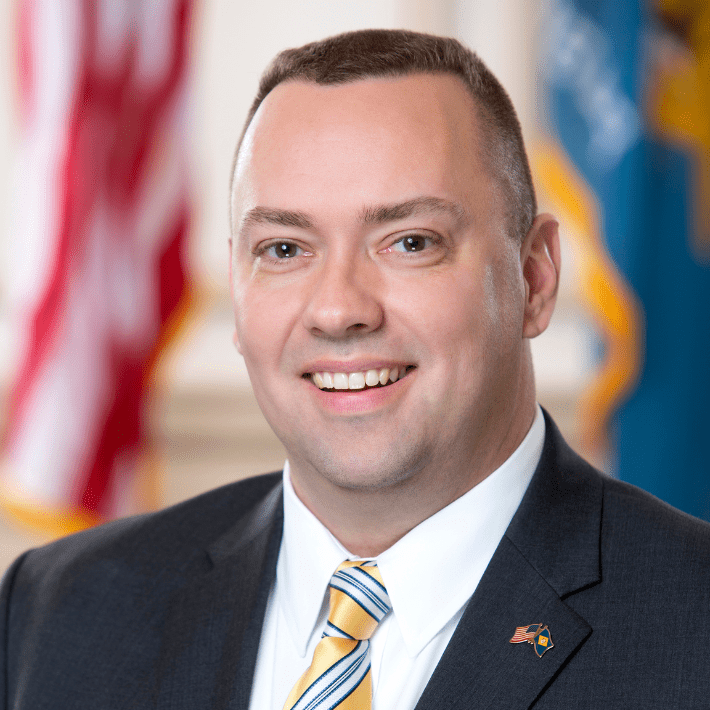
Brian Pettyjohn
RRepublican
Co
BC
Bruce C. Ennis
DDemocratic
Co

Bryan Townsend
DDemocratic
Co

Bryant Richardson
RRepublican
Co
CC
Catherine Cloutier
RRepublican
Co

Darius Brown
DDemocratic
Co

Dave Lawson
RRepublican
Co

Dave Sokola
DDemocratic
Co
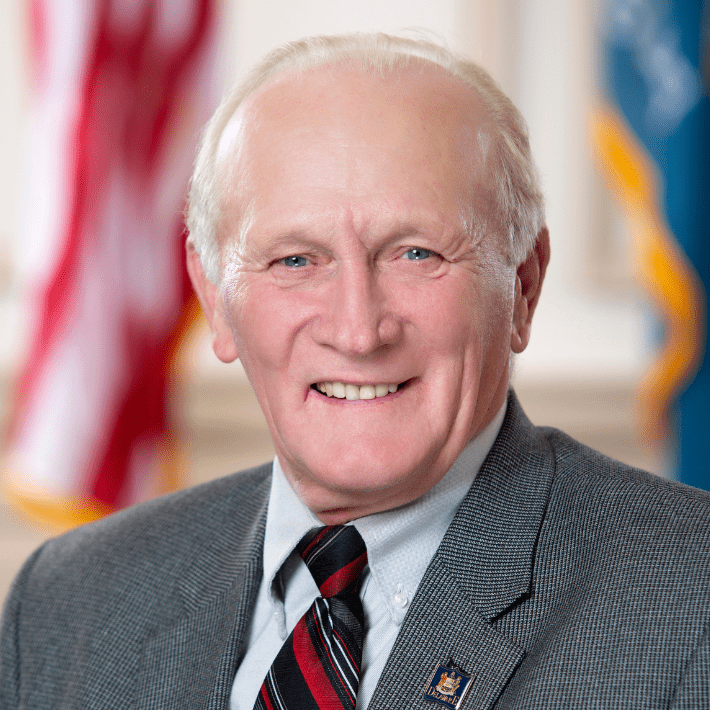
Dave Wilson
RRepublican

Ask Maddy
·
AI policy assistant
Ask Maddy about SB 169
Scope: DE
Hi! I can help you understand SB 169. What would you like to know?
Try one of these
i
Maddy answers using official bill text and legislative records. Always verify before sharing.
Sources cited inline