

AN ACT TO AMEND TITLE 11 OF THE DELAWARE CODE RELATING TO FINES, COSTS, PENALTIES, AND FORFEITURES.
Summary
It is an unfortunate reality that many offenders have difficulty re-entering society. Without the ability to provide for themselves and their families through gainful employment, 67.8% of released prisoners are rearrested within three years of release nationally. One of the reasons that offenders have difficulty is because they often face the unrealistic requirement to pay off large fees and fines, which grow with interest if not paid, at the same time as they have to pay for housing, food, care for children, or other necessities of life. Failure to pay can result in the offender found to be in violation while on probation or being denied a pardon. Furthermore, most offenders tend to be non-affluent, and the state spends resources chasing fines and fees it will not recover. Unlike motor vehicle fines under Title 21, which generate large sums of revenue, fees and fines under Title 11 and 16 are modest and collection costs are high. The social costs in terms of impacting rehabilitation and successful re-entry are even higher. To address this problem and to give the Department of Correction a positive incentive to reward participation in work programs in its facilities or in the community, this Act authorizes the Department of Correction to give minimum wage to inmates to pay off fees or fines by participating in an earned credit program established by the Department of Correction. The court would establish how many hours need to be worked in order to discharge this financial obligation by computing the hours based on the then prevailing state minimum wage hourly rate. The Department of Correction will establish an earned credit program and certify to the court when the individual has completed the required number of hours. The earned credit program cannot be used to discharge other financial obligations owed, such as restitution, child support obligations, or bail.
Bill status
passed
3 of 5 stages cleared
Introduction
May 2019
Committee Review
Jun 2019
Senate Passage
Jun 2019
House Passage
Governor
Introduced May 29, 2019
Last action Jun 19, 2019
Floor votes
How they voted
This bill passed the Senate by voice vote (no roll call recorded).
Full legislative history
Actions timeline
Total actions
8
Key actions
4
Committee
2
Amendments
3
Jun 19, 2019
Upper · Passed
Tabled in Committee
upper
Jun 18, 2019
Introduced
Amendment HA 1 to SB 123 - Introduced and Placed With Bill
upper
Jun 13, 2019
Introduced
Assigned to Public Safety & Homeland Security Committee in House
lower
Jun 12, 2019
Upper · Passed
Passed By Senate. Votes: 13 YES 7 NO 1 NOT VOTING
upper
Jun 12, 2019
Upper · Passed
Amendment SA 2 to SB 123 - Passed By Senate. Votes: 12 YES 7 NO 2 NOT VOTING
upper
Jun 12, 2019
Introduced
Amendment SA 1 to SB 123 - Stricken in Senate
upper
Jun 5, 2019
Upper · Passed
Reported Out of Committee (Executive) in Senate with 6 On Its Merits
upper
May 29, 2019
Introduced
Introduced and Assigned to Executive Committee in Senate
upper
5 primary · 13 co-sponsors
Sponsors
Role
Legislator
Party
State
District
P
DB
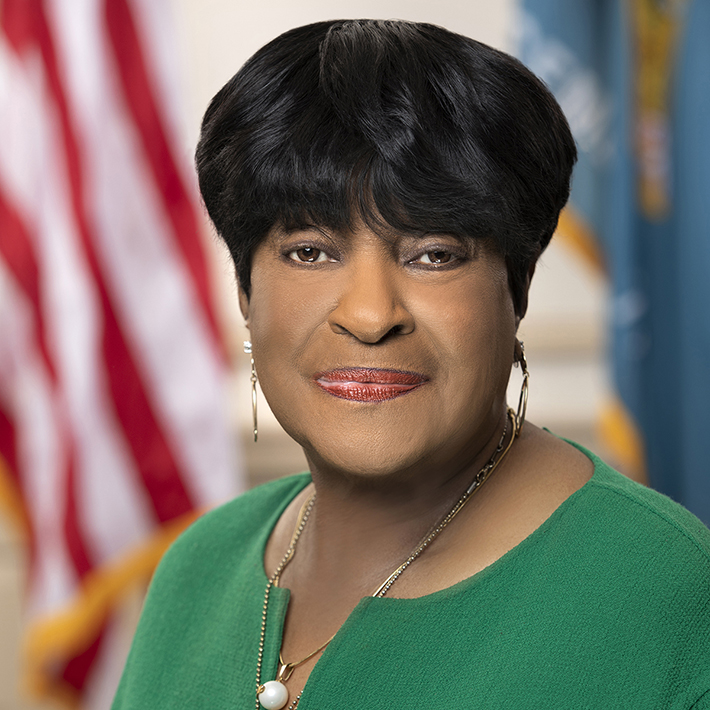
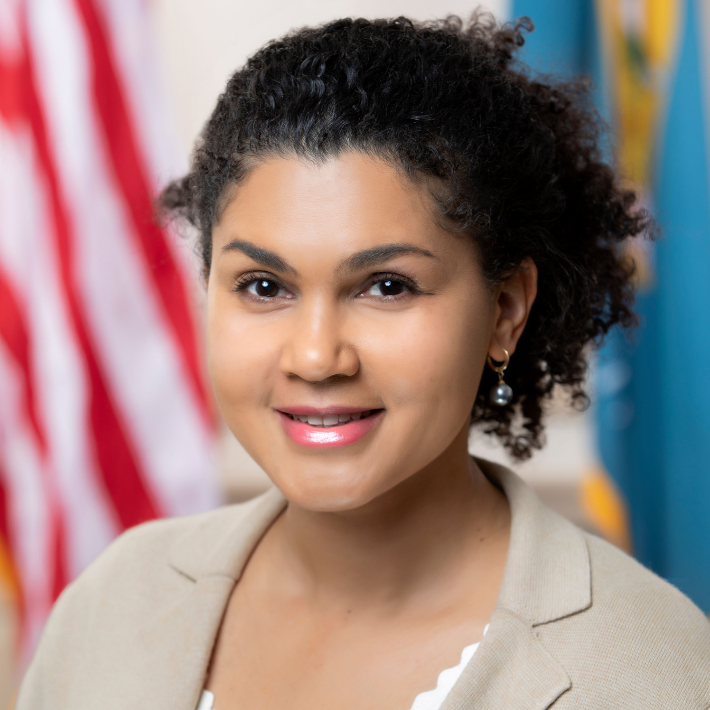
David B. McBride
DDemocratic
P
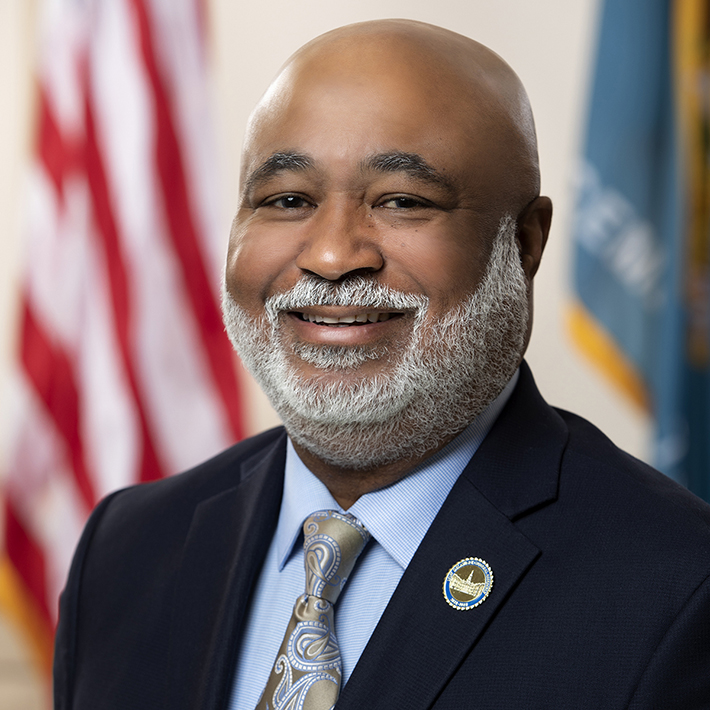
Frank Cooke
DDemocratic
P
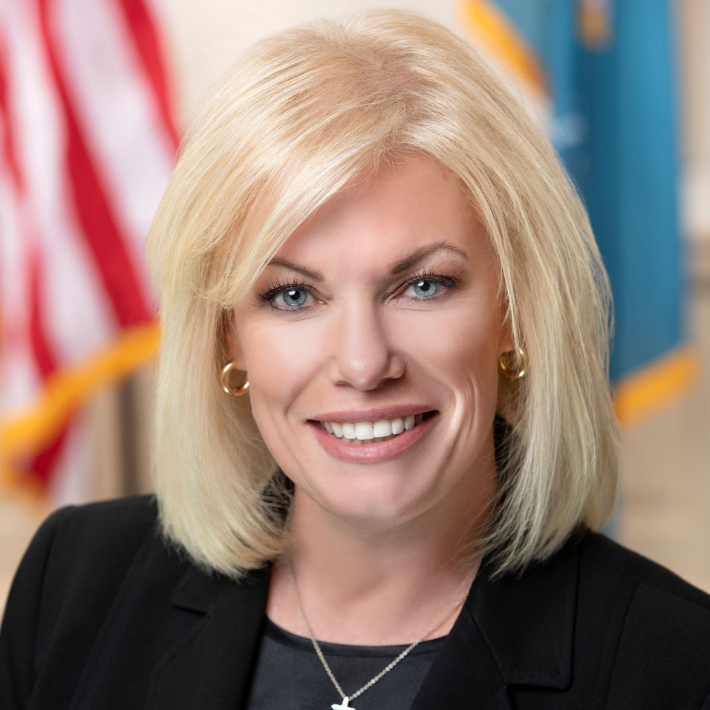
Nicole Poore
DDemocratic
P
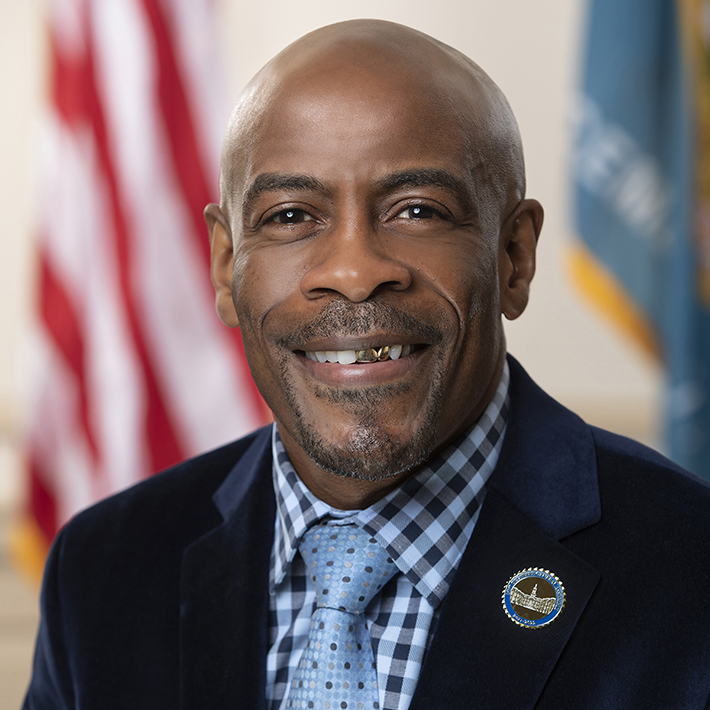
Nnamdi Chukwuocha
DDemocratic
P
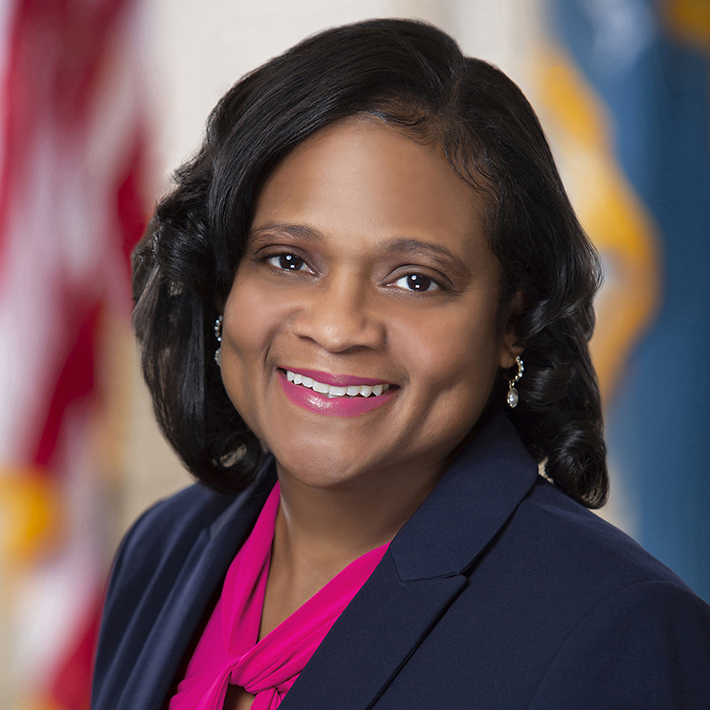
Sherry Dorsey Walker
DDemocratic
Co
CC
Catherine Cloutier
RRepublican
Co
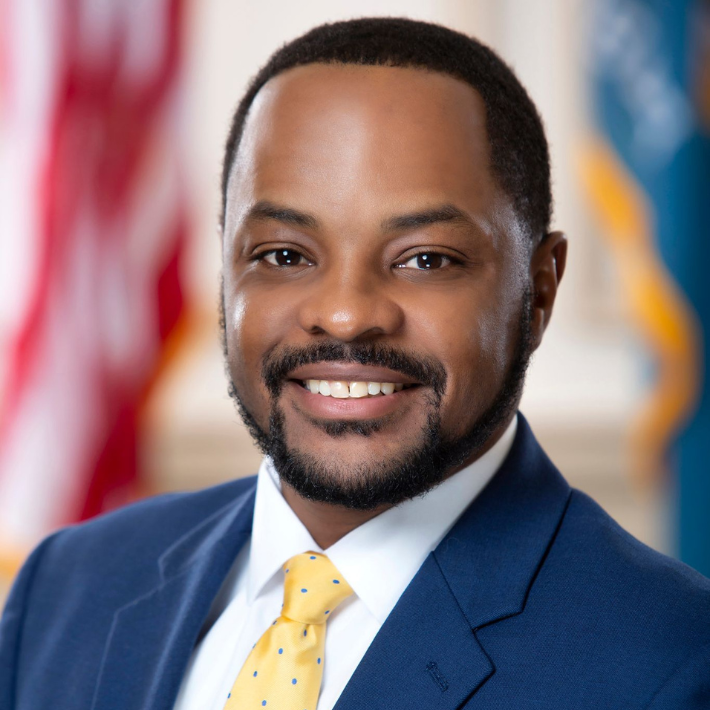
Darius Brown
DDemocratic
Co
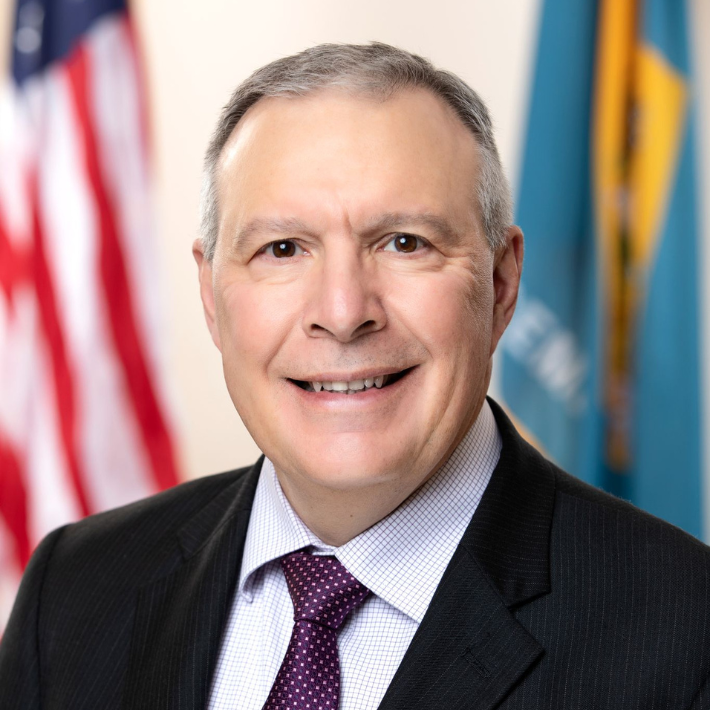
Dave Sokola
DDemocratic
Co
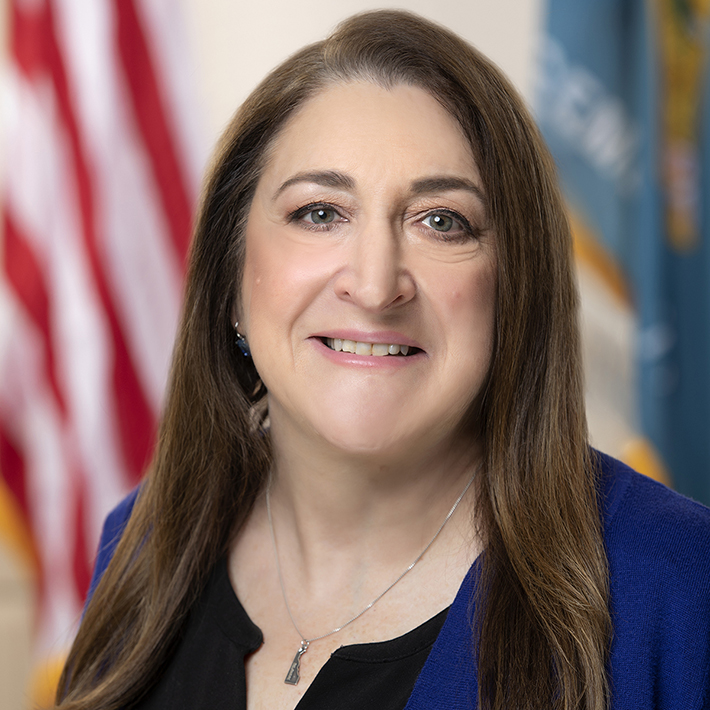
Debra Heffernan
DDemocratic
Co
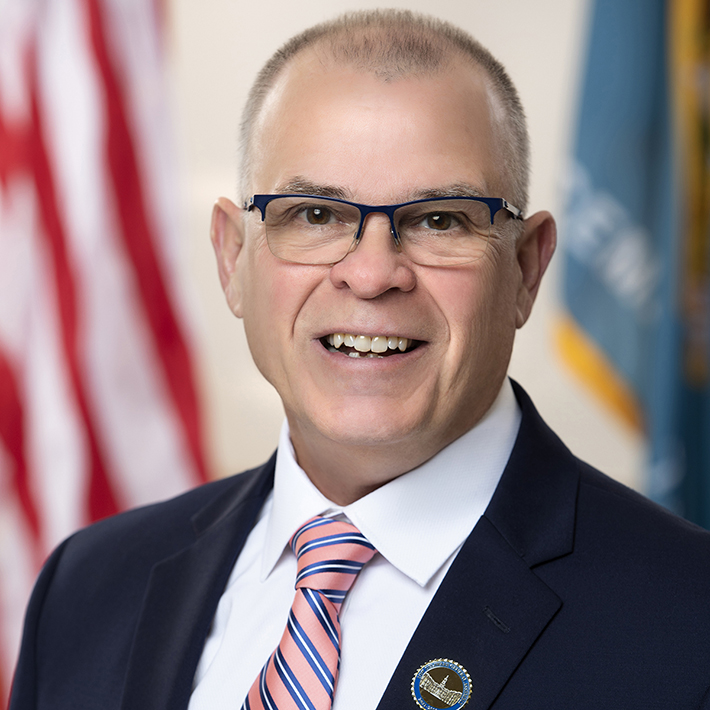
Ed Osienski
DDemocratic
Co
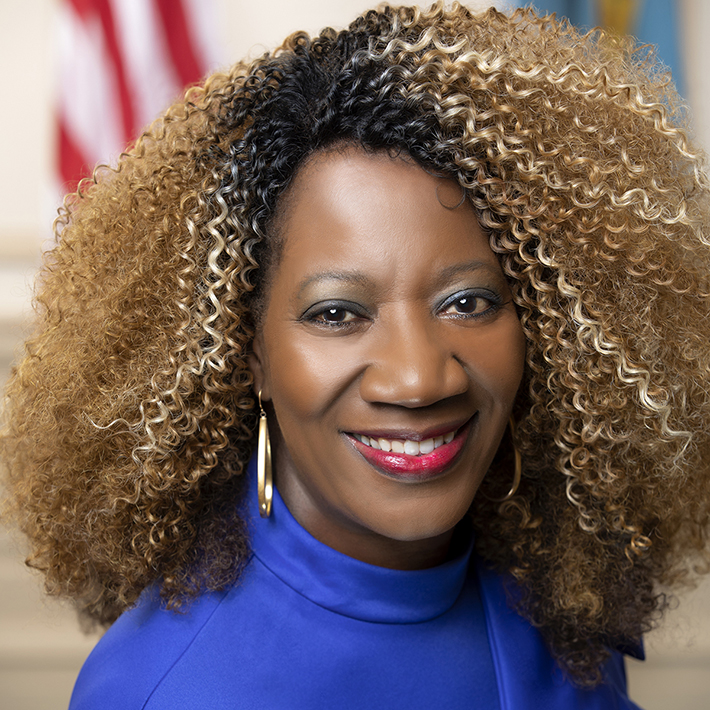
Kendra Johnson
DDemocratic
Co

Melissa Minor-Brown
DDemocratic
Co
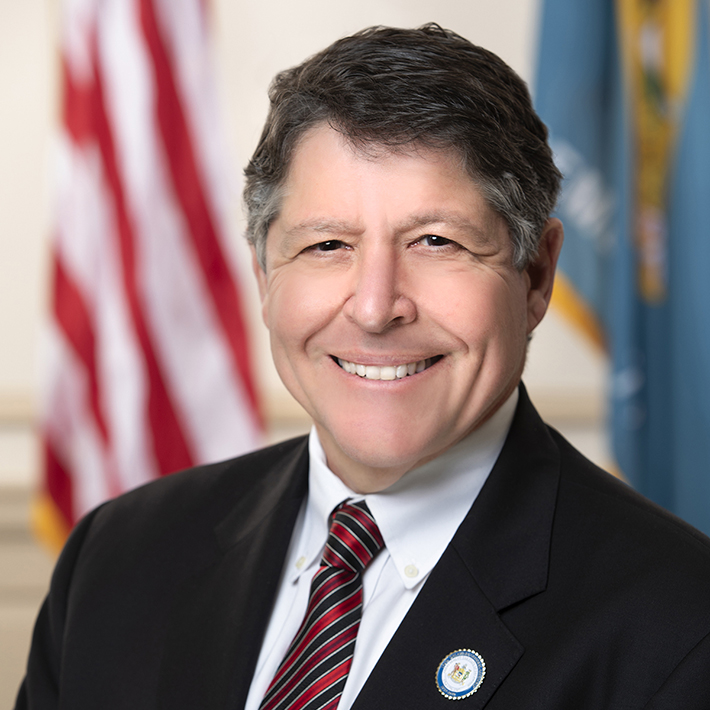
Paul Baumbach
DDemocratic
Co
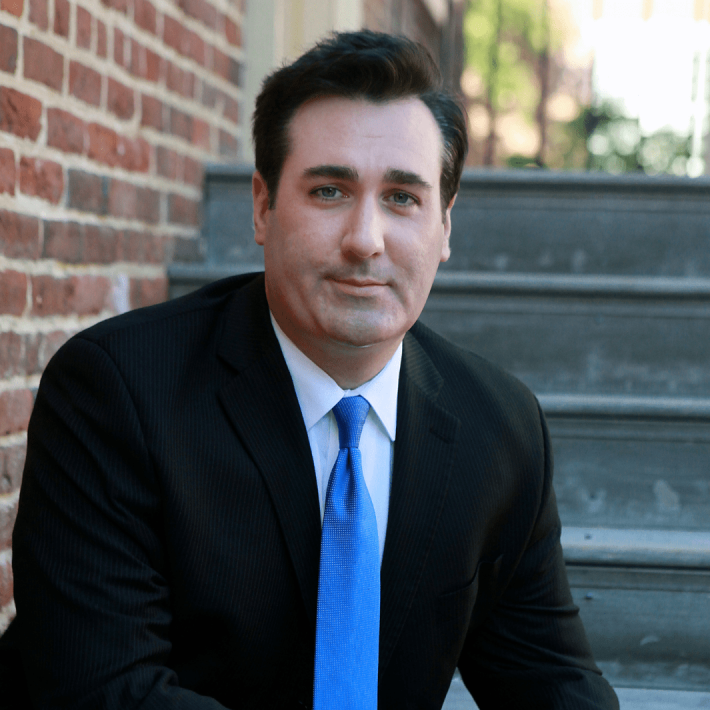
Sean Lynn
DDemocratic
Co
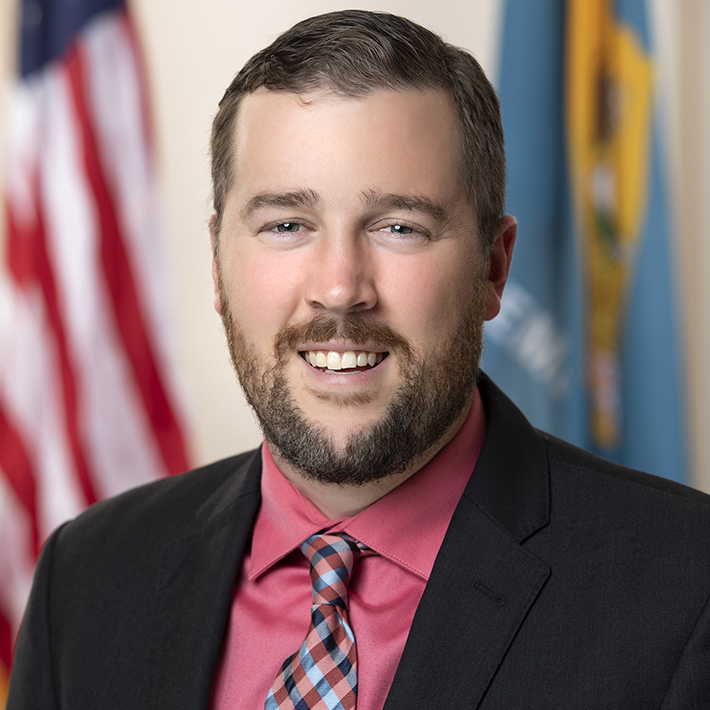
Sean Matthews
DDemocratic

Ask Maddy
·
AI policy assistant
Ask Maddy about SB 123
Scope: DE
Hi! I can help you understand SB 123. What would you like to know?
Try one of these
i
Maddy answers using official bill text and legislative records. Always verify before sharing.
Sources cited inline