

AN ACT TO AMEND TITLE 11, PART 1, OF THE DELAWARE CODE RELATING TO THE DELAWARE CRIMINAL CODE.
Summary
Delaware’s existing Criminal Code was adopted in 1973 and was based on the Model Penal Code. Since that time, the Criminal Code has quadrupled in size and expanded to other parts of the Code without consideration to the general effects of the change on the Criminal Code’s overall structure, its terminology, or its application, creating numerous inconsistencies, redundancies, ambiguities and contradictions. In 2014, the General Assembly established the Criminal Justice Improvement Committee to review opportunities for efficiencies in the Delaware Criminal Code, including identifying: “disproportionate, redundant, outdated, duplicative, or inefficient statutes” and “crimes that should or should not constitute potential jail time”. The Criminal Justice Improvement Committee Working Group was created to accomplished the Criminal Justice Improvement Committee’s stated goals and has worked diligently for the last three years, in concert with other criminal justice stakeholders, to restore the criminal code to a clear, readable, and proportional code. The recommendations found in their Final Report are the basis for this Act and its companion bill. This Act is one of two bills that seek to bring back clarity and consistency to the Criminal Code. This Act repeals and replaces Title 11, Part I, Chapters 1 through 15 of the Delaware Criminal Code and replaces it with an improved code that is easy to understand, consolidates offenses and introduces rational and proportional sentencing structures. This Act, and its companion bill, will take effect 20 months from the date it is signed, to allow for a smooth integration of the improved code into existing structures, give public and private criminal justice stakeholders an opportunity to familiarize themselves with the improved code, and provide an opportunity to develop for the first time model jury instructions and sentencing guidelines. A Commentary, which explains how the current criminal code relates to the improved code, will be publicly available during this transition period. The 20 months will also give time to introduce technical corrections bills that will make changes to the Code necessitated by the improved code (e.g., update cross references to Title 11, Part I, found in other Titles), as well as incorporate legislative decisions passed by the 148th and 149th General Assembly that were not captured by the improved code.
Bill status
in committee
1 of 4 stages cleared
Introduction
May 2018
Committee Review
Floor Vote
Governor
Introduced May 10, 2018
Last action May 10, 2018
Floor votes
How they voted
No floor votes recorded yet.
Full legislative history
Actions timeline
Total actions
1
Key actions
0
Committee
0
May 10, 2018
Introduced
Introduced and Assigned to Finance Committee in Senate
upper
7 primary · 15 co-sponsors
Sponsors
Role
Legislator
Party
State
District
P
DB
David B. McBride
DDemocratic
P
HB
Harris B. McDowell
DDemocratic
P
JJ
James Johnson
DDemocratic
P
JL
John L. Mitchell
DDemocratic
P
MR
Margaret Rose Henry
DDemocratic
P
MG
Melanie George Smith
DDemocratic
P

Nicole Poore
DDemocratic
Co
BJ
Brian J. Bushweller
DDemocratic
Co
BC
Bruce C. Ennis
DDemocratic
Co
CB
Colin Bonini
RRepublican
Co

Dave Sokola
DDemocratic
Co

Debra Heffernan
DDemocratic
Co
FG
F. Gary Simpson
RRepublican
Co
GL
Gerald L. Brady
DDemocratic
Co

Jack Walsh
DDemocratic
Co
JA
John A. Kowalko
DDemocratic
Co
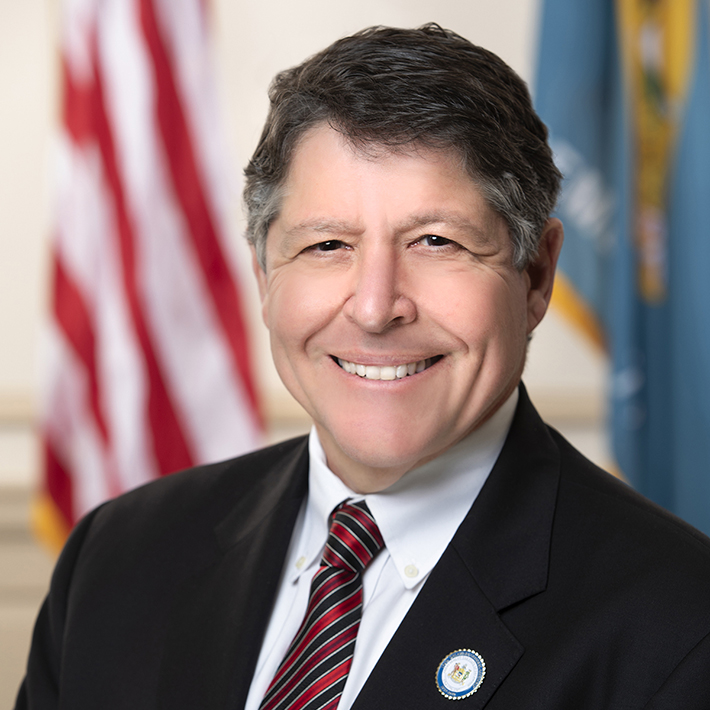
Paul Baumbach
DDemocratic



Ask Maddy
·
AI policy assistant
Ask Maddy about SB 209
Scope: DE
Hi! I can help you understand SB 209. What would you like to know?
Try one of these
i
Maddy answers using official bill text and legislative records. Always verify before sharing.
Sources cited inline